

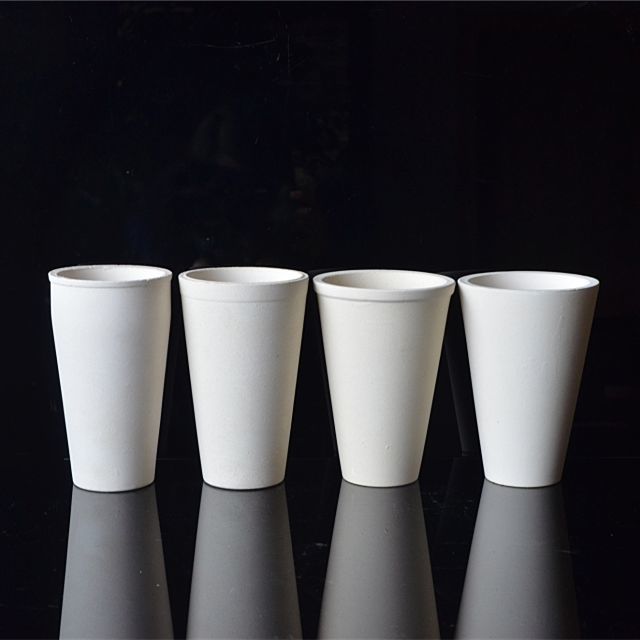
Alumina Ceramic Crucible – High-Performance Refractory Ceramic Vessel for Extreme Temperature Applications
Time:
2026-07-01 11:33
Source:
Alumina ceramic crucible is a high-performance laboratory and industrial ceramic container made primarily from high-purity aluminum oxide (Al₂O₃). It is specifically designed for high-temperature processes that require exceptional thermal stability, chemical resistance, and mechanical strength. Because of its outstanding material properties, it is widely used in metallurgy, materials science, chemical analysis, semiconductor manufacturing, and advanced industrial processing.
One of the most important characteristics of alumina ceramic crucibles is their excellent high-temperature resistance. Depending on purity levels, these crucibles can typically withstand temperatures ranging from 1400°C to over 1700°C. This makes them suitable for use in electric furnaces, muffle furnaces, and other high-temperature equipment. Even under prolonged heating, alumina crucibles maintain their structural integrity without melting, deforming, or reacting with most materials.
Thermal stability is another key advantage. Alumina ceramic crucibles can endure repeated heating and cooling cycles when handled properly. This thermal shock resistance is crucial in laboratory environments where rapid temperature changes are common. High-quality alumina materials reduce the risk of cracking during thermal cycling, ensuring consistent performance and long service life.
Chemical resistance is a major reason for the widespread use of alumina crucibles. They are highly resistant to acids, alkalis, molten salts, and most chemical reagents. This prevents contamination of samples during high-temperature chemical reactions. As a result, alumina crucibles are widely used in analytical chemistry, where purity and accuracy are essential.
Mechanical strength and hardness are also significant advantages. Alumina ceramics are extremely hard and wear-resistant, allowing them to withstand mechanical stress during handling, loading, and cleaning. Compared to traditional porcelain crucibles, alumina crucibles offer superior durability and longer service life, especially in demanding industrial environments.
Alumina ceramic crucibles are widely used in metallurgical processes such as metal melting, alloy preparation, and ash testing. They are also essential in material research applications, including powder sintering, ceramic fabrication, and crystal growth experiments. In semiconductor industries, high-purity alumina crucibles are used in processes requiring contamination-free environments.
Different purity grades of alumina are available, typically ranging from 95%, 99%, to 99.5% or even 99.8% high-purity alumina. Higher purity levels provide better thermal resistance, lower impurity content, and improved chemical stability. The selection of purity depends on the specific requirements of the application, especially in high-precision scientific or industrial processes.
Alumina crucibles come in a variety of shapes and sizes, including cylindrical, conical, and flat-bottom designs. These variations allow compatibility with different furnace types and experimental setups. Small crucibles are commonly used for laboratory-scale testing, while larger ones are used in industrial production and bulk material processing.
In addition to standard crucibles, there are also specialized alumina ceramic products designed for specific applications, such as crucibles with lids, thick-walled crucibles for enhanced durability, and custom-shaped vessels for specialized furnace systems. These variations improve flexibility and efficiency in different working environments.
Proper handling is essential to maximize the lifespan of alumina ceramic crucibles. Sudden temperature changes should be avoided to reduce thermal shock risk. It is recommended to heat and cool the crucible gradually. Mechanical impact should also be minimized, as ceramics can be brittle under strong force. Cleaning should be performed carefully to avoid surface damage.
In industrial environments, alumina crucibles play a crucial role in ensuring process stability and product quality. Their ability to maintain purity at high temperatures makes them indispensable in high-tech manufacturing industries. They are also widely used in research institutions for experimental analysis and material development.
Overall, alumina ceramic crucibles are essential high-temperature tools that combine thermal resistance, chemical stability, and mechanical durability. Their reliability and versatility make them one of the most important components in modern laboratory and industrial high-temperature applications.
ce certification aluminia ceramic disc,ce certification alumina ceramic board oem
INQUIRY FOR PRICELIST
For inquiries about our products or pricelist, please leave your inquiry and we will be in touch within 24 hours.
MoreFollow Us
Contact Us
Ms.Fanny
Email: sintyron@xtlceramic.com
Complaints and Opinions : anna@xtlceramic.com
Telephone:0086-731-23253338
Address:ShenTan Industrial
Area,Hunan,China 412200