

NEWS
XING TAL LONG
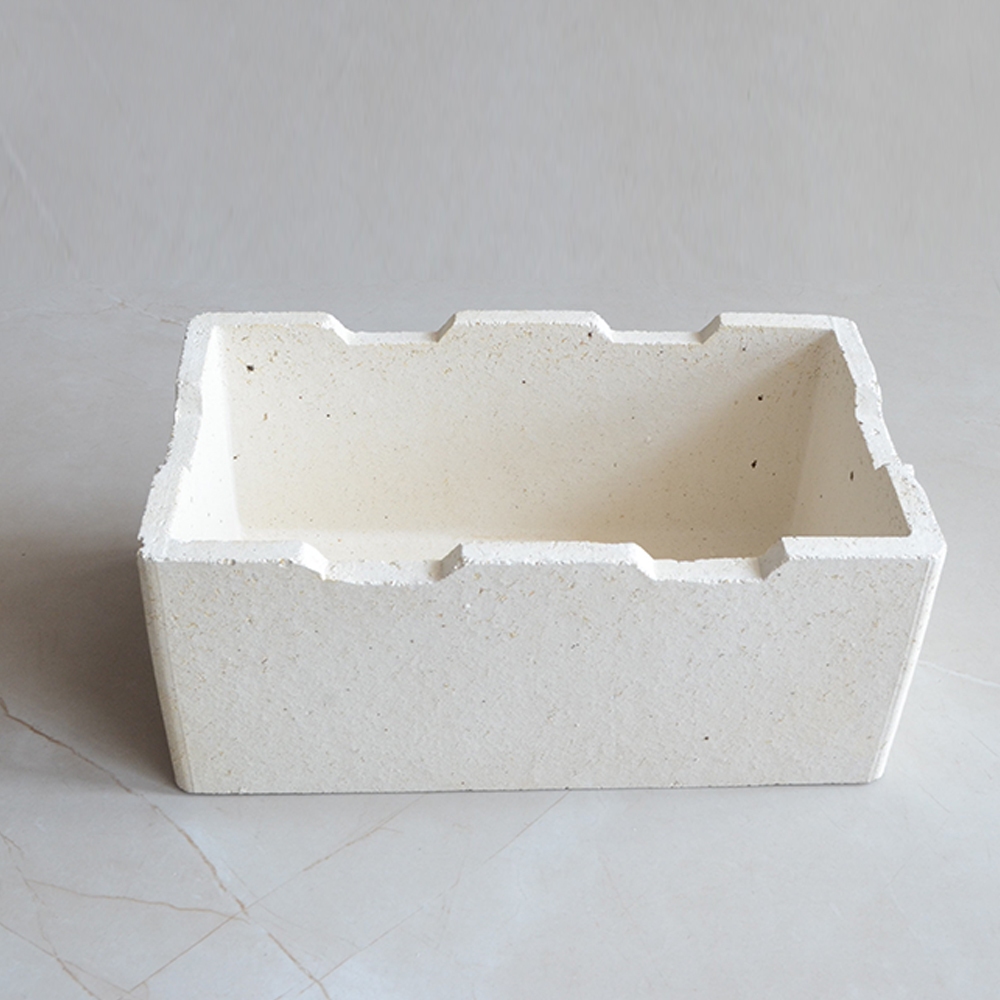
Fire Assay Crucibles – High-Temperature Refractory Crucibles for Precious Metal Analysis
Time:
2026-01-06 15:40
Source:
Fire assay crucibles are specialized high-temperature refractory ceramic vessels designed for use in fire assay processes, which are recognized worldwide as the most accurate and reliable method for determining precious metal content such as gold, silver, platinum, and palladium. These crucibles are manufactured from carefully selected, high-purity refractory raw materials to withstand extreme thermal and chemical conditions during fusion, ensuring consistent results, minimal contamination, and reliable precious metal recovery.
Fire assay crucibles are widely used in metallurgical laboratories, mining operations, geological exploration, refining facilities, and quality control laboratories. Their superior thermal stability, chemical resistance, and mechanical strength make them essential tools for professional analytical and industrial applications where precision and repeatability are critical.
High-Temperature Resistance
Fire assay crucibles are engineered to operate at temperatures typically ranging from 1000°C to 1200°C, with certain formulations capable of enduring even higher temperatures. They maintain excellent structural integrity during prolonged heating cycles, resisting cracking, deformation, and softening. This ensures safe and reliable performance throughout the entire fusion process.
Chemical Resistance and Compatibility
These crucibles demonstrate outstanding resistance to aggressive chemical fluxes commonly used in fire assay procedures, including lead oxide (litharge), borax, soda ash, silica, and other reagents. Their chemical stability prevents unwanted reactions between the crucible and the sample or flux, minimizing contamination and preserving analytical accuracy.
Mechanical Strength and Thermal Shock Resistance
Fire assay crucibles are designed to withstand both mechanical handling and rapid temperature changes. Their high mechanical strength reduces breakage during charging, furnace loading, pouring, and cooling. Excellent thermal shock resistance ensures durability even under repeated heating and cooling cycles, improving safety and reducing operational costs.
Consistent Fusion Performance
Uniform wall thickness and controlled material composition allow even heat distribution throughout the crucible. This promotes complete and consistent fusion of samples, enabling efficient separation of precious metals from gangue materials. Consistent fusion performance is critical for achieving accurate, repeatable assay results.
Low Impurity Content
Manufactured under strict quality control standards, fire assay crucibles contain minimal impurities that could interfere with analytical results. Low background contamination ensures precise detection and recovery of trace precious metals, making these crucibles suitable for high-precision laboratory analysis.
Materials and Manufacturing Process
Fire assay crucibles are produced using high-grade refractory materials such as alumina, silica, and specially formulated binders. Advanced manufacturing techniques include precise raw material blending, high-pressure forming, controlled drying, and high-temperature firing. This process results in optimal density, strength, and thermal performance. Different material formulations are available to suit various fire assay methods and flux systems.
Applications
Fire assay analysis for gold, silver, platinum, and palladium
Metallurgical laboratories and assay laboratories
Mining and mineral processing operations
Geological exploration and sampling
Precious metal refining and quality control
Sizes and Specifications
Fire assay crucibles are available in a wide range of sizes and capacities to accommodate different sample weights and assay requirements. Custom sizes, shapes, and material compositions can be supplied based on specific customer needs and operating conditions.
Handling and Storage
Crucibles should be stored in a dry environment to prevent moisture absorption before use. Proper preheating is recommended to eliminate residual moisture and reduce thermal shock during initial heating. Careful handling during loading and pouring helps maximize service life and maintain safety.
Advantages for Users
By using high-quality fire assay crucibles, laboratories and industrial users benefit from improved analytical accuracy, reduced crucible failure rates, enhanced safety, and consistent assay performance. Their durability and reliability contribute to higher productivity and lower overall operating costs.
Conclusion
Fire assay crucibles are indispensable tools for precise precious metal analysis. With excellent high-temperature resistance, superior chemical stability, strong mechanical performance, and low impurity content, they deliver consistent and reliable results in demanding fire assay applications. Whether used in laboratories, mining operations, or refining facilities, high-quality fire assay crucibles ensure accurate analysis, efficient fusion, and dependable performance in modern metallurgical processes.
INQUIRY FOR PRICELIST
For inquiries about our products or pricelist, please leave to us and. we will be in touch within 24 hours.
MoreFollow Us
Contact Us
Ms.Fanny
Email: sintyron@xtlceramic.com
Complaints and Opinions : anna@xtlceramic.com
TEL:0086-731-23253338
Address:ShenTan Industrial
Area,Hunan,China 412200