

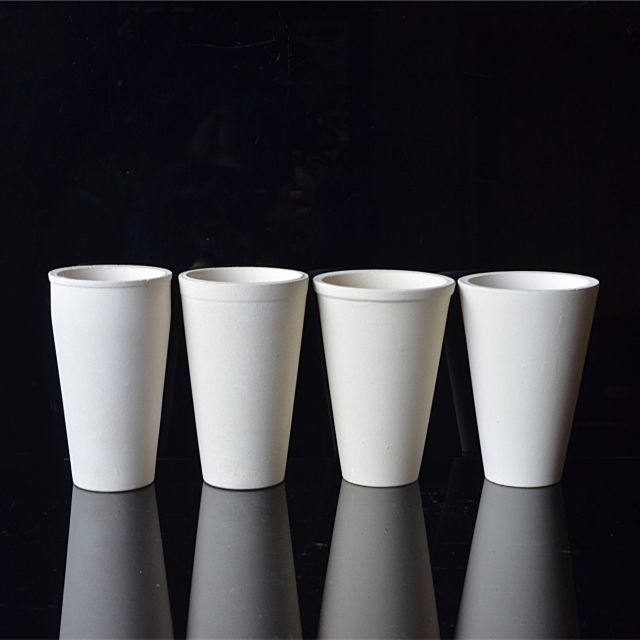
How to Choose the Right Fire Assay Crucible and Cupel for Cupellation
Time:
2023-08-22 10:20
Source:
Table of Contents:
1. Introduction: Understanding the Importance of Choosing the Right Crucible and Cupel (H1)
2. Crucial Factors to Consider When Selecting Fire Assay Crucibles (H2)
3. Different Types of Crucibles and Their Applications (H2)
4. Key Considerations for Cupel Selection (H2)
5. The Importance of Material Composition in Crucibles and Cupels (H3)
6. Size and Capacity: Matching Your Crucible and Cupel to Your Sample (H3)
7. Durability and Resistance to High Temperatures (H3)
8. Understanding Cupellation and Its Role in Fire Assay (H4)
9. Frequently Asked Questions About Fire Assay Crucibles and Cupels (H4)
9.1. What is the purpose of a fire assay crucible?
9.2. Can I reuse a fire assay crucible?
9.3. How do I properly clean a fire assay crucible?
9.4. What is the lifespan of a fire assay crucible?
9.5. Can I use any cupel for cupellation?
10. Conclusion (H4)
1. Introduction: Understanding the Importance of Choosing the Right Crucible and Cupel
When it comes to fire assay, the selection of the right crucible and cupel is crucial. These two components play a vital role in the cupellation process, which is used to determine the presence and quantity of precious metals in ores and other materials. Choosing the wrong crucible or cupel can lead to inaccurate results and wasted resources. Therefore, it is essential to understand the factors that influence the selection process.
2. Crucial Factors to Consider When Selecting Fire Assay Crucibles
2.1 Material Composition: The material used to manufacture the crucible can significantly impact its performance and durability. Common materials include clay/graphite, silica, and magnesite. Each material has its own set of advantages and limitations, so it is essential to consider the specific requirements of your assay.
2.2 Size and Capacity: The size and capacity of the crucible should match the volume of the sample being analyzed. Choosing a crucible that is too small can result in spillage, while a large crucible for a small sample may lead to inefficient heating and potential contamination.
2.3 Durability and Resistance to High Temperatures: Fire assay crucibles are subjected to extreme temperatures during the cupellation process. It is crucial to select a crucible that can withstand these conditions without cracking or warping, as this can affect the accuracy of the assay.
3. Different Types of Crucibles and Their Applications
3.1 Clay/Graphite Crucibles: These crucibles are a popular choice for fire assay due to their excellent thermal shock resistance and durability. They are suitable for a wide range of samples and can withstand high temperatures.
3.2 Silica Crucibles: Silica crucibles are preferred for assays that involve acidic materials. They offer good resistance to acid attack and can be used for certain specialized applications.
3.3 Magnesite Crucibles: Magnesite crucibles are known for their high resistance to thermal shock and excellent heat retention properties. They are often used for assays involving higher temperatures.
4. Key Considerations for Cupel Selection
4.1 Porosity: Cupels are typically made of bone ash, magnesite, or other refractory materials. The porosity of the cupel affects its ability to absorb impurities during cupellation. High-quality cupels with optimal porosity ensure accurate results.
4.2 Cupel Size: Similar to crucibles, choosing the right cupel size is crucial to accommodate the sample being analyzed. A cupel that is too small may not effectively absorb all impurities, while an oversized cupel can lead to inefficient cupellation.
5. The Importance of Material Composition in Crucibles and Cupels
The material composition of both crucibles and cupels is critical to their performance. Clay/graphite crucibles, for example, offer a good balance of heat resistance and durability, making them suitable for various applications. Silica crucibles are ideal for assays involving acidic materials, while magnesite crucibles excel in high-temperature environments. Similarly, cupels made of high-quality bone ash or magnesite exhibit the necessary porosity for efficient cupellation.
6. Size and Capacity: Matching Your Crucible and Cupel to Your Sample
Selecting the appropriate size and capacity for your crucible and cupel is essential for accurate and efficient cupellation. It is crucial to consider the volume of your sample while ensuring the crucible and cupel are large enough to accommodate any anticipated loss during the process. Additionally, using oversized crucibles or cupels can result in excessive energy consumption and potential contamination.
7. Durability and Resistance to High Temperatures
Fire assay crucibles and cupels are subjected to extreme temperatures during cupellation. It is vital to choose materials that can withstand these conditions without compromising their integrity. High-quality crucibles and cupels should exhibit excellent resistance to thermal shock, minimizing the risk of cracking or warping.
8. Understanding Cupellation and Its Role in Fire Assay
Cupellation is a crucial step in the fire assay process. It involves the heating of the sample, along with a lead or lead-silver alloy, in a cupel. The precious metals form a molten bead, while impurities oxidize and are absorbed by the cupel. The remaining bead contains the concentrated precious metals, which can then be further analyzed. Choosing the right crucible and cupel ensures accurate cupellation and reliable results.
9. Frequently Asked Questions About Fire Assay Crucibles and Cupels
9.1. What is the purpose of a fire assay crucible?
Fire assay crucibles are used to contain and heat the sample during cupellation. They play a critical role in determining the presence and quantity of precious metals.
9.2. Can I reuse a fire assay crucible?
Reusing a fire assay crucible is generally not recommended. Over time, crucibles can develop microcracks and absorb impurities, which can affect assay results. It is best to use a new crucible for each assay.
9.3. How do I properly clean a fire assay crucible?
Cleaning a fire assay crucible involves removing any remaining materials and impurities. This can be done by carefully scraping or rinsing the crucible with suitable cleaning agents. It is essential to follow proper safety guidelines during the cleaning process.
9.4. What is the lifespan of a fire assay crucible?
The lifespan of a fire assay crucible depends on various factors, such as the material composition, frequency of use, and proper handling. High-quality crucibles can last for multiple assays if handled and cleaned correctly.
9.5. Can I use any cupel for cupellation?
Cupels made of bone ash, magnesite, or other refractory materials are suitable for cupellation. It is important to choose cupels with the appropriate porosity for optimal absorption of impurities.
10. Conclusion
Choosing the right fire assay crucible and cupel is essential for accurate cupellation and reliable results. By considering factors such as material composition, size and capacity, durability, and resistance to high temperatures, you can select the perfect crucible and cupel for your specific assay requirements. Remember, the quality of your chosen components can significantly impact the outcome of your fire assay analysis.
fire assay crucible and cupel used in cupellation
INQUIRY FOR PRICELIST
For inquiries about our products or pricelist, please leave your inquiry and we will be in touch within 24 hours.
MoreFollow Us
Contact Us
Ms.Fanny
Email: sintyron@xtlceramic.com
Complaints and Opinions : anna@xtlceramic.com
Telephone:0086-731-23253338
Address:ShenTan Industrial
Area,Hunan,China 412200