

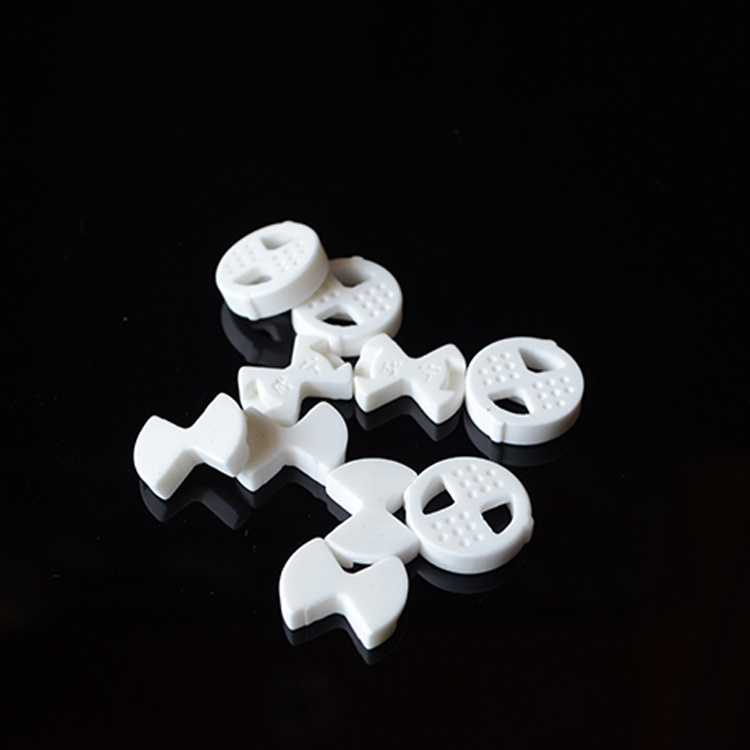
Understanding the Role of Fire Assay Crucible and Cupel in Cupellation
Time:
2023-08-26 10:01
Source:
Table of Contents:
1. Introduction: What is Cupellation?
2. The Importance of Fire Assay Crucible in Cupellation
3. Understanding the Function of Cupels in Cupellation
4. How to Choose the Right Fire Assay Crucible
5. Factors Affecting the Performance of Fire Assay Crucible
6. Crucial Steps in the Cupellation Process
7. Frequently Asked Questions (FAQs)
8. Conclusion
Cupellation is a vital metallurgical process used to extract precious metals, such as gold and silver, from their impure ores or alloys. This technique has been practiced for centuries and continues to be widely employed in the mining industry. A key aspect of the cupellation process involves the use of specialized tools, namely fire assay crucibles and cupels. In this article, we will delve deeper into the role of these essential components and explore their significance in achieving accurate and reliable results.
The fire assay crucible serves as the container for the sample material during the cupellation process. It is typically made of a high-quality material, such as bone ash or clay, which can withstand the extreme temperatures required for cupellation. The crucible plays a vital role in ensuring the proper fusion, oxidation, and separation of the impurities from the precious metals.
The crucible's ability to withstand high temperatures is crucial as cupellation involves subjecting the sample to intense heat, usually in a furnace. The crucible's refractory nature prevents it from melting or reacting with the sample, allowing for the accurate determination of the precious metal content. Additionally, the crucible's shape and size are designed to facilitate efficient heating and gas exchange, ensuring optimal conditions for the cupellation process.
Cupels are small, shallow vessels made of bone ash or magnesia. They are placed inside the fire assay crucible and act as absorbent agents during the cupellation process. The cupel plays a critical role in removing the impurities and unwanted elements from the sample, leaving behind the precious metals in their pure form.
During cupellation, the sample is heated in the presence of lead or litharge, which oxidizes the base metals. The resulting oxides are absorbed by the cupel, while the precious metals, such as gold and silver, remain in the molten state. This selective absorption process enables the separation of the impurities from the desired metals, allowing for accurate analysis and quantification.
Selecting the appropriate fire assay crucible is crucial for obtaining reliable and accurate cupellation results. Several factors should be considered when choosing a crucible, including its composition, quality, and size. The most commonly used crucible materials are bone ash and clay.
Bone ash crucibles are highly recommended for their superior resistance to thermal shock and reactivity with the sample material. They are particularly suitable for high-temperature cupellation processes involving precious metals. Clay crucibles, on the other hand, are more affordable and suitable for lower temperature applications.
It is also important to consider the crucible's size, as it should accommodate the sample adequately while allowing sufficient space for expansion during heating. Additionally, the crucible should be free from any contaminants that could potentially affect the cupellation process.
Several factors can influence the performance of fire assay crucibles and, subsequently, the accuracy of cupellation results. Some key factors to consider include:
1. Crucible Composition: The choice of crucible material can impact its resistance to thermal shock and chemical reactivity. It is crucial to select a crucible that is compatible with the specific cupellation process requirements.
2. Crucible Quality: The quality of the crucible can affect its durability and resistance to wear. High-quality crucibles are less prone to cracks or degradation, ensuring consistent and reliable cupellation results.
3. Heating Conditions: The temperature and heating rate during cupellation can impact the crucible's performance. Excessive heat or rapid temperature changes may lead to crucible failure or undesirable reactions with the sample.
4. Sample Composition: The chemical composition of the sample being analyzed can influence the crucible's performance. Some samples may contain elements that react differently with the crucible material, affecting the cupellation process.
To better understand the role of fire assay crucibles and cupels in cupellation, let us briefly outline the crucial steps involved in this process:
1. Sample Preparation: The ore or alloy is crushed and ground to obtain a representative sample.
2. Weighing: The sample is accurately weighed to determine the amount of precious metal present.
3. Fusion: The sample is mixed with appropriate fluxes and heated in a crucible to fuse the components and facilitate separation.
4. Cupellation: The fused sample is subjected to high temperatures in the presence of cupels, leading to oxidation and absorption of impurities.
5. Collection: The precious metals, now in their pure form, are collected and further analyzed for quality and quantity.
Q1: What is the purpose of cupellation in the analysis of precious metals?
Cupellation is used to separate precious metals from impurities and determine their purity and quantity accurately.
Q2: Can I reuse fire assay crucibles?
Fire assay crucibles can be reused multiple times, provided they are properly cleaned and inspected for any signs of damage or degradation.
Q3: Are there any alternatives to bone ash or clay crucibles?
Other crucible materials, such as graphite or quartz, can be used in specific applications. However, bone ash and clay crucibles are most commonly employed due to their suitable properties.
Q4: How does cupellation differ from other metallurgical processes?
Cupellation is distinct from other processes as it specifically focuses on the separation and analysis of precious metals, such as gold and silver.
Q5: How long does the cupellation process typically take?
The duration of cupellation can vary depending on factors such as the sample size, composition, and desired level of accuracy. In general, it can take several hours to complete.
In conclusion, understanding the role of fire assay crucibles and cupels in the cupellation process is essential for accurate analysis of precious metals. Fire assay crucibles provide a stable and reliable container for the sample, while cupels absorb impurities, leaving behind pure precious metals. Selecting the right crucible and cupel materials and considering various factors that affect their performance are crucial for obtaining precise and dependable cupellation results. By ensuring proper use and maintenance of these vital tools, researchers, metallurgists, and mining professionals can enhance their understanding of cupellation and achieve optimal results in their analyses.
1. Introduction: What is Cupellation?
2. The Importance of Fire Assay Crucible in Cupellation
3. Understanding the Function of Cupels in Cupellation
4. How to Choose the Right Fire Assay Crucible
5. Factors Affecting the Performance of Fire Assay Crucible
6. Crucial Steps in the Cupellation Process
7. Frequently Asked Questions (FAQs)
8. Conclusion
Introduction: What is Cupellation?
Cupellation is a vital metallurgical process used to extract precious metals, such as gold and silver, from their impure ores or alloys. This technique has been practiced for centuries and continues to be widely employed in the mining industry. A key aspect of the cupellation process involves the use of specialized tools, namely fire assay crucibles and cupels. In this article, we will delve deeper into the role of these essential components and explore their significance in achieving accurate and reliable results.
The Importance of Fire Assay Crucible in Cupellation
The fire assay crucible serves as the container for the sample material during the cupellation process. It is typically made of a high-quality material, such as bone ash or clay, which can withstand the extreme temperatures required for cupellation. The crucible plays a vital role in ensuring the proper fusion, oxidation, and separation of the impurities from the precious metals.
The crucible's ability to withstand high temperatures is crucial as cupellation involves subjecting the sample to intense heat, usually in a furnace. The crucible's refractory nature prevents it from melting or reacting with the sample, allowing for the accurate determination of the precious metal content. Additionally, the crucible's shape and size are designed to facilitate efficient heating and gas exchange, ensuring optimal conditions for the cupellation process.
Understanding the Function of Cupels in Cupellation
Cupels are small, shallow vessels made of bone ash or magnesia. They are placed inside the fire assay crucible and act as absorbent agents during the cupellation process. The cupel plays a critical role in removing the impurities and unwanted elements from the sample, leaving behind the precious metals in their pure form.
During cupellation, the sample is heated in the presence of lead or litharge, which oxidizes the base metals. The resulting oxides are absorbed by the cupel, while the precious metals, such as gold and silver, remain in the molten state. This selective absorption process enables the separation of the impurities from the desired metals, allowing for accurate analysis and quantification.
How to Choose the Right Fire Assay Crucible
Selecting the appropriate fire assay crucible is crucial for obtaining reliable and accurate cupellation results. Several factors should be considered when choosing a crucible, including its composition, quality, and size. The most commonly used crucible materials are bone ash and clay.
Bone ash crucibles are highly recommended for their superior resistance to thermal shock and reactivity with the sample material. They are particularly suitable for high-temperature cupellation processes involving precious metals. Clay crucibles, on the other hand, are more affordable and suitable for lower temperature applications.
It is also important to consider the crucible's size, as it should accommodate the sample adequately while allowing sufficient space for expansion during heating. Additionally, the crucible should be free from any contaminants that could potentially affect the cupellation process.
Factors Affecting the Performance of Fire Assay Crucible
Several factors can influence the performance of fire assay crucibles and, subsequently, the accuracy of cupellation results. Some key factors to consider include:
1. Crucible Composition: The choice of crucible material can impact its resistance to thermal shock and chemical reactivity. It is crucial to select a crucible that is compatible with the specific cupellation process requirements.
2. Crucible Quality: The quality of the crucible can affect its durability and resistance to wear. High-quality crucibles are less prone to cracks or degradation, ensuring consistent and reliable cupellation results.
3. Heating Conditions: The temperature and heating rate during cupellation can impact the crucible's performance. Excessive heat or rapid temperature changes may lead to crucible failure or undesirable reactions with the sample.
4. Sample Composition: The chemical composition of the sample being analyzed can influence the crucible's performance. Some samples may contain elements that react differently with the crucible material, affecting the cupellation process.
Crucial Steps in the Cupellation Process
To better understand the role of fire assay crucibles and cupels in cupellation, let us briefly outline the crucial steps involved in this process:
1. Sample Preparation: The ore or alloy is crushed and ground to obtain a representative sample.
2. Weighing: The sample is accurately weighed to determine the amount of precious metal present.
3. Fusion: The sample is mixed with appropriate fluxes and heated in a crucible to fuse the components and facilitate separation.
4. Cupellation: The fused sample is subjected to high temperatures in the presence of cupels, leading to oxidation and absorption of impurities.
5. Collection: The precious metals, now in their pure form, are collected and further analyzed for quality and quantity.
Frequently Asked Questions (FAQs)
Q1: What is the purpose of cupellation in the analysis of precious metals?
Cupellation is used to separate precious metals from impurities and determine their purity and quantity accurately.
Q2: Can I reuse fire assay crucibles?
Fire assay crucibles can be reused multiple times, provided they are properly cleaned and inspected for any signs of damage or degradation.
Q3: Are there any alternatives to bone ash or clay crucibles?
Other crucible materials, such as graphite or quartz, can be used in specific applications. However, bone ash and clay crucibles are most commonly employed due to their suitable properties.
Q4: How does cupellation differ from other metallurgical processes?
Cupellation is distinct from other processes as it specifically focuses on the separation and analysis of precious metals, such as gold and silver.
Q5: How long does the cupellation process typically take?
The duration of cupellation can vary depending on factors such as the sample size, composition, and desired level of accuracy. In general, it can take several hours to complete.
Conclusion
In conclusion, understanding the role of fire assay crucibles and cupels in the cupellation process is essential for accurate analysis of precious metals. Fire assay crucibles provide a stable and reliable container for the sample, while cupels absorb impurities, leaving behind pure precious metals. Selecting the right crucible and cupel materials and considering various factors that affect their performance are crucial for obtaining precise and dependable cupellation results. By ensuring proper use and maintenance of these vital tools, researchers, metallurgists, and mining professionals can enhance their understanding of cupellation and achieve optimal results in their analyses.
fire assay crucible and cupel used in cupellation
INQUIRY FOR PRICELIST
For inquiries about our products or pricelist, please leave to us and. we will be in touch within 24 hours.
MoreFollow Us
Contact Us
Ms.Fanny
Email: sintyron@xtlceramic.com
Complaints and Opinions : anna@xtlceramic.com
TEL:0086-731-23253338
Address:ShenTan Industrial
Area,Hunan,China 412200