

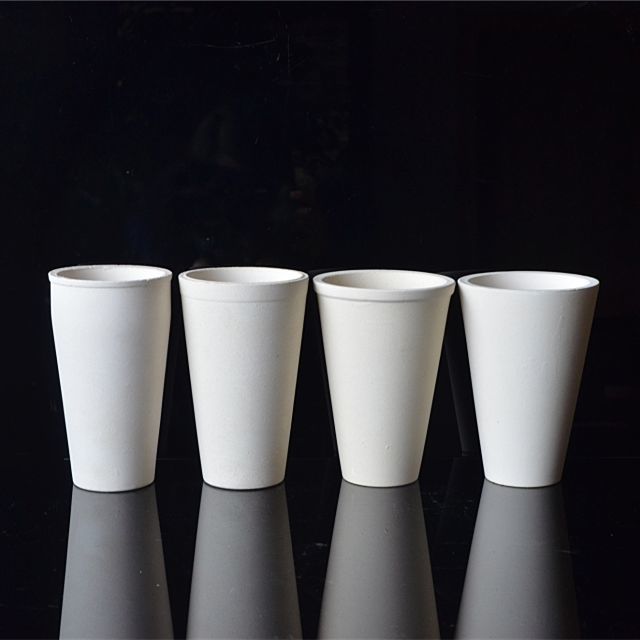
Fire Assay Crucible and Cupel Used in Cupellation: A Guide for the Ceramic Industry
Time:
2023-08-27 11:20
Source:
Introduction:
Fire assay crucibles and cupels play a vital role in the cupellation process, particularly in the ceramic industry. This guide provides valuable insights into the significance and application of these essential tools used in the production of ceramic materials for architecture and decorative building supplies.
1. Understanding Fire Assay Crucibles:
Fire assay crucibles are specialized containers made from refractory materials, such as clay or graphite. They are designed to withstand high temperatures and harsh chemical reactions during the cupellation process. These crucibles provide a controlled environment for the fusion of samples and separation of precious metals from impurities.
2. Importance of Cupels in Cupellation:
Cupels are small, cup-shaped vessels typically made of bone ash. They act as absorbent filters during the cupellation process, allowing base metals to be absorbed while enabling the collection of precious metals. Cupels play a crucial role in the removal of impurities and obtaining accurate results.
3. Cupellation Process in Ceramic Industry:
In the ceramic industry, cupellation is a significant step in the production of high-quality materials. It involves the fusion of ceramic samples with lead and other reagents in a fire assay crucible. The cupellation process aims to separate base metals and impurities from precious metals like gold and silver.
4. Factors Affecting Crucible and Cupel Performance:
Several factors influence the performance of fire assay crucibles and cupels in cupellation. These include the quality and composition of the crucible material, proper preheating procedures, maintaining appropriate temperatures, and accurately controlling the fusion process. Adhering to these factors ensures reliable and reproducible results.
5. Crucible and Cupel Maintenance:
Proper maintenance of fire assay crucibles and cupels is essential for their longevity and optimal performance. Crucibles should be cleaned thoroughly between each fusion to remove any residual material. Cupels, being absorbent, are disposable and should be replaced after each cupellation to maintain accuracy and prevent contamination.
Conclusion:
Fire assay crucibles and cupels are indispensable tools in the cupellation process, especially in the ceramic industry. Their careful selection, usage, and maintenance contribute to the production of high-quality ceramic materials for architectural and decorative building applications. By understanding the significance of these components, industry professionals can ensure accurate and reliable results in their ceramic production processes.
Fire assay crucibles and cupels play a vital role in the cupellation process, particularly in the ceramic industry. This guide provides valuable insights into the significance and application of these essential tools used in the production of ceramic materials for architecture and decorative building supplies.
1. Understanding Fire Assay Crucibles:
Fire assay crucibles are specialized containers made from refractory materials, such as clay or graphite. They are designed to withstand high temperatures and harsh chemical reactions during the cupellation process. These crucibles provide a controlled environment for the fusion of samples and separation of precious metals from impurities.
2. Importance of Cupels in Cupellation:
Cupels are small, cup-shaped vessels typically made of bone ash. They act as absorbent filters during the cupellation process, allowing base metals to be absorbed while enabling the collection of precious metals. Cupels play a crucial role in the removal of impurities and obtaining accurate results.
3. Cupellation Process in Ceramic Industry:
In the ceramic industry, cupellation is a significant step in the production of high-quality materials. It involves the fusion of ceramic samples with lead and other reagents in a fire assay crucible. The cupellation process aims to separate base metals and impurities from precious metals like gold and silver.
4. Factors Affecting Crucible and Cupel Performance:
Several factors influence the performance of fire assay crucibles and cupels in cupellation. These include the quality and composition of the crucible material, proper preheating procedures, maintaining appropriate temperatures, and accurately controlling the fusion process. Adhering to these factors ensures reliable and reproducible results.
5. Crucible and Cupel Maintenance:
Proper maintenance of fire assay crucibles and cupels is essential for their longevity and optimal performance. Crucibles should be cleaned thoroughly between each fusion to remove any residual material. Cupels, being absorbent, are disposable and should be replaced after each cupellation to maintain accuracy and prevent contamination.
Conclusion:
Fire assay crucibles and cupels are indispensable tools in the cupellation process, especially in the ceramic industry. Their careful selection, usage, and maintenance contribute to the production of high-quality ceramic materials for architectural and decorative building applications. By understanding the significance of these components, industry professionals can ensure accurate and reliable results in their ceramic production processes.
fire assay crucible and cupel used in cupellation
INQUIRY FOR PRICELIST
For inquiries about our products or pricelist, please leave your inquiry and we will be in touch within 24 hours.
MoreFollow Us
Contact Us
Ms.Fanny
Email: sintyron@xtlceramic.com
Complaints and Opinions : anna@xtlceramic.com
Telephone:0086-731-23253338
Address:ShenTan Industrial
Area,Hunan,China 412200