

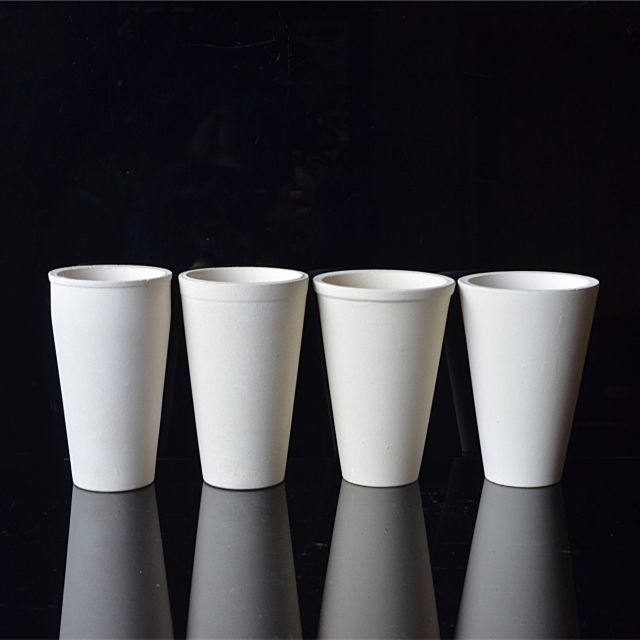
Laboratory Porcelain Fire Assay Crucibles: The Essential Component for Ceramic Building Materials
Time:
2023-09-02 09:20
Source:
Introduction:
In the realm of ceramic building materials, laboratory porcelain fire assay crucibles play a vital role in ensuring the production of superior quality bricks and stones. These crucibles are specifically designed to withstand high temperatures and harsh conditions, making them an essential component in the manufacturing process. Let's delve into the significance of laboratory porcelain fire assay crucibles in the construction and decoration industry.
1. The Crucible's Composition:
Laboratory porcelain fire assay crucibles are typically made from high-quality porcelain, which is a type of ceramic material. This composition ensures excellent thermal resistance, allowing the crucibles to withstand extreme temperatures without cracking or deforming. The robust nature of porcelain also prevents any contamination or reactions with the materials being tested or processed.
2. Heat Resistance and Uniform Heating:
One of the primary functions of laboratory porcelain fire assay crucibles is to withstand and distribute heat evenly. These crucibles have excellent thermal stability, allowing them to endure temperatures up to 1700°C (3092°F) without compromising their structural integrity. The uniform heating provided by the crucible ensures consistent material properties during the firing process, leading to enhanced durability and strength in the final ceramic products.
3. Crucible Shapes and Sizes:
Laboratory porcelain fire assay crucibles are available in a variety of shapes and sizes to cater to different manufacturing requirements. Common shapes include cylindrical, conical, and shallow dish-like crucibles. The selection of an appropriate crucible shape depends on factors such as the type of material being processed, the desired properties of the final product, and the available kiln or furnace dimensions.
4. Application in Fire Assay:
Fire assay, a crucial process in the ceramic building materials industry, involves the determination of precious metals, such as gold and silver, in ores and materials. Laboratory porcelain fire assay crucibles are extensively employed in this process due to their exceptional heat resistance and chemical inertness. These crucibles allow for accurate analysis by providing a controlled environment for the testing of samples at high temperatures.
5. Quality Assurance:
The use of laboratory porcelain fire assay crucibles ensures consistent and reliable results in the production of ceramic building materials. These crucibles undergo stringent quality checks to meet industry standards. Manufacturers subject them to rigorous testing procedures, including thermal shock resistance, chemical resistance, and dimensional stability, to ensure their reliability and durability.
Conclusion:
Laboratory porcelain fire assay crucibles are indispensable components in the ceramic building materials industry. Their ability to withstand high temperatures, provide uniform heating, and resist chemical reactions make them essential for producing high-quality bricks and stones. As a critical tool in fire assay processes, these crucibles contribute to accurate analysis and quality assurance. By employing laboratory porcelain fire assay crucibles, the construction and decoration industry ensures the creation of enduring and aesthetically pleasing structures.
laboratory porcelain fire assay crucible
INQUIRY FOR PRICELIST
For inquiries about our products or pricelist, please leave your inquiry and we will be in touch within 24 hours.
MoreFollow Us
Contact Us
Ms.Fanny
Email: sintyron@xtlceramic.com
Complaints and Opinions : anna@xtlceramic.com
Telephone:0086-731-23253338
Address:ShenTan Industrial
Area,Hunan,China 412200