

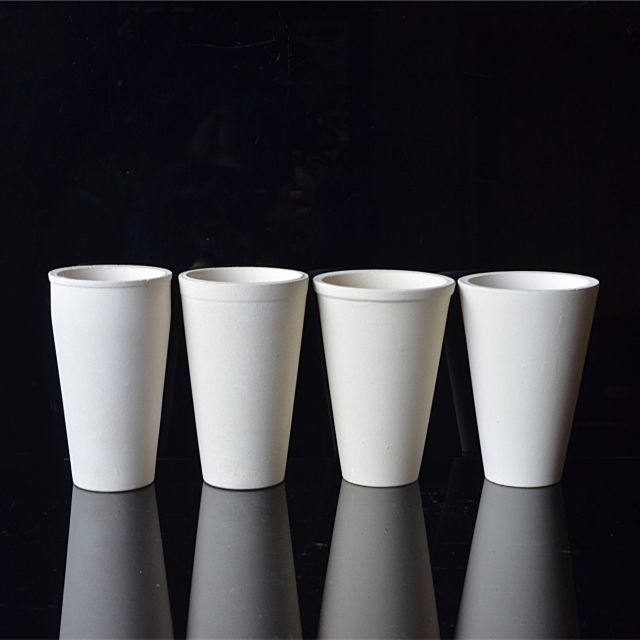
Magnesite Cupel and Crucible for Fire Assay: An Essential Component in the Ceramic Building Materials Industry
Time:
2023-11-27 10:21
Source:
Introduction:
In the realm of ceramic building materials, the utilization of magnesite cupels and crucibles has a profound impact on the quality and integrity of the final products. These essential components play a crucial role in fire assay processes, ensuring accurate analysis and assessment of materials. Let's delve into the world of magnesite cupels and crucibles and their significance within the industry.
1. Understanding Magnesite Cupels:
Magnesite cupels are small, shallow ceramic containers made from magnesite, a magnesium carbonate mineral. They possess excellent heat resistance and refractory properties, making them ideal for various high-temperature applications in the ceramic industry. These cupels are specifically designed to absorb impurities, such as base metals, during fire assay procedures.
2. Fire Assay and Its Relevance:
Fire assay is a widely employed analytical technique in the ceramic building materials industry. It involves the determination of precious metals, such as gold and silver, and the detection of impurities within raw materials or finished products. Magnesite cupels are an integral part of this process, as they act as containers for the samples during high-temperature heating.
3. The Functionality of Magnesite Crucibles:
Magnesite crucibles, also crafted from magnesite, serve as high-quality vessels for various heat-related applications within the ceramic industry. These crucibles exhibit remarkable thermal stability, enabling them to withstand extreme temperatures during melting, calcination, and other processes. They are particularly favored for their resistance to chemical corrosion and erosion.
4. Importance in Ceramic Building Materials:
The ceramic building materials industry greatly benefits from the utilization of magnesite cupels and crucibles. These components ensure accurate analysis of raw materials, enabling manufacturers to produce high-quality ceramics with precise compositions and properties. The removal of impurities through fire assay processes guarantees the integrity and reliability of the final products.
5. Advancements and Innovations:
With the continuous advancements in materials science and technology, researchers and manufacturers are constantly exploring new materials and designs for magnesite cupels and crucibles. These innovations aim to enhance their durability, thermal efficiency, and overall performance, thereby further improving the quality of ceramic building materials.
Conclusion:
Magnesite cupels and crucibles hold a pivotal role in the ceramic building materials industry, specifically in fire assay processes. Their ability to withstand high temperatures, absorb impurities, and facilitate accurate analysis is indispensable. As the industry continues to evolve, the ongoing development of magnesite cupels and crucibles contributes to the production of superior ceramic materials, ensuring longevity, reliability, and customer satisfaction.
magnesite cupel and magnesite crucible for fire as
INQUIRY FOR PRICELIST
For inquiries about our products or pricelist, please leave your inquiry and we will be in touch within 24 hours.
MoreFollow Us
Contact Us
Ms.Fanny
Email: sintyron@xtlceramic.com
Complaints and Opinions : anna@xtlceramic.com
Telephone:0086-731-23253338
Address:ShenTan Industrial
Area,Hunan,China 412200