

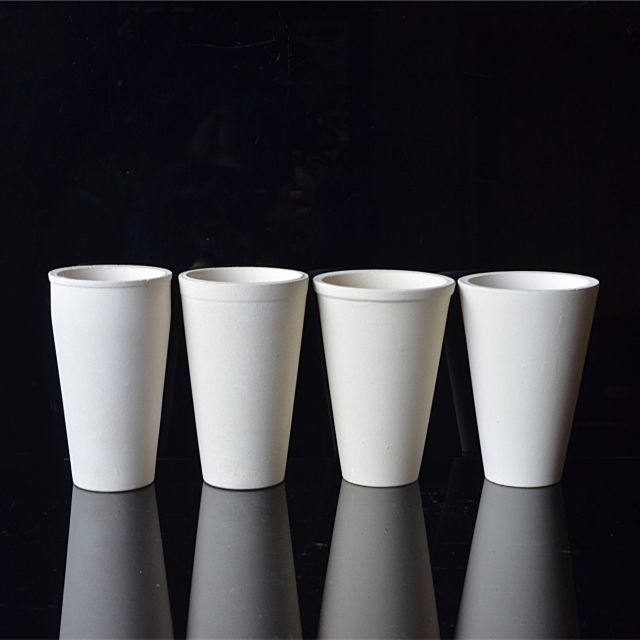
Fire Assay Crucible and Cupel Used in Cupellation: Essential Materials for Ceramic Construction
Time:
2023-12-17 13:40
Source:
Introduction:
In the realm of ceramic construction, the utilization of fire assay crucibles and cupels is paramount in the cupellation process. Understanding the importance of these materials and their functions is crucial for professionals in the industry. This article delves into the significance of fire assay crucibles and cupels, shedding light on their role in achieving top-notch ceramic construction materials.
Fire Assay Crucibles:
Fire assay crucibles serve as indispensable vessels in the cupellation process. These crucibles are specifically designed to withstand extreme temperatures during the melting and purification of precious metals, such as gold and silver. The crucibles are composed of high-quality refractory materials, making them resistant to thermal shock and chemical reactions. With their exceptional heat retention capabilities, fire assay crucibles ensure optimal melting conditions for the metal samples, enabling reliable analysis and purification.
Cupels:
Cupels are essential components within the cupellation process, allowing for the separation of precious metals from impurities. These small, shallow vessels are crafted from highly porous materials, typically bone ash or magnesia. The porous nature of cupels facilitates the absorption and removal of base metals and other impurities, leaving behind only the sought-after precious metals. Through this meticulous process, ceramic construction professionals can obtain materials of exceptional purity, essential for creating high-quality ceramic products.
Key Features and Advantages:
1. Heat Resistance: Both fire assay crucibles and cupels are designed to endure extreme temperatures, ensuring accurate and reliable cupellation results.
2. Chemical Inertness: The refractory materials used in fire assay crucibles and the porous nature of cupels prevent chemical reactions, ensuring the integrity of the sample during the cupellation process.
3. Thermal Shock Resistance: Fire assay crucibles are engineered to withstand rapid temperature changes, preventing cracking and ensuring prolonged usage.
4. Porosity: Cupels' high porosity enables efficient absorption of impurities, enhancing the purity of precious metals.
5. Consistency: Fire assay crucibles and cupels are manufactured with strict quality control measures, ensuring consistent performance and reliable outcomes in cupellation.
In the realm of ceramic construction, the utilization of fire assay crucibles and cupels plays a pivotal role in achieving top-notch materials. These essential components, with their heat resistance, chemical inertness, and unique porosity characteristics, enable accurate analysis and the production of high-purity ceramic construction materials. Understanding their significance empowers professionals in the industry to create exceptional ceramic products that meet the highest standards.
fire assay crucible and cupel used in cupellation
INQUIRY FOR PRICELIST
For inquiries about our products or pricelist, please leave your inquiry and we will be in touch within 24 hours.
MoreFollow Us
Contact Us
Ms.Fanny
Email: sintyron@xtlceramic.com
Complaints and Opinions : anna@xtlceramic.com
Telephone:0086-731-23253338
Address:ShenTan Industrial
Area,Hunan,China 412200