

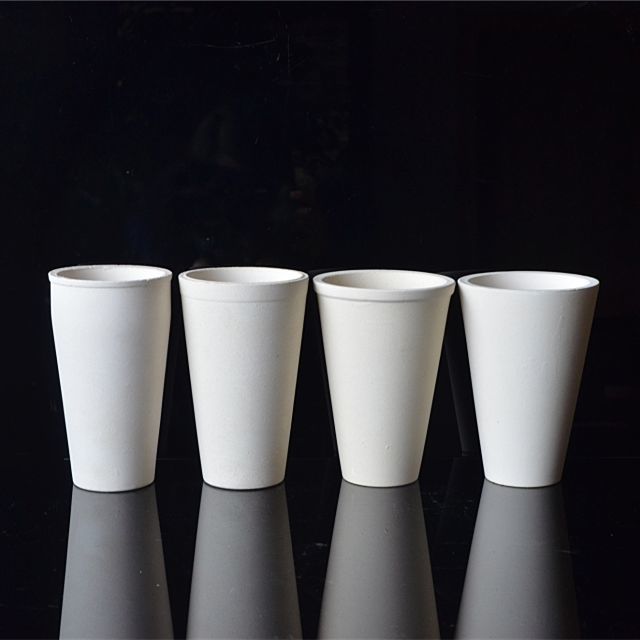
Revolutionize the Gold Melting Process with Ceramic Crucibles
Time:
2024-01-07 13:00
Source:
Table of Contents:
1. Introduction
2. The Significance of Ceramic Crucibles in the Gold Melting Process
3. The Properties that Make Ceramic Crucibles Revolutionary
4. Advantages of Ceramic Crucibles in Gold Melting
5. Applications of Ceramic Crucibles in Different Industries
6. How to Optimize the Gold Melting Process with Ceramic Crucibles
7. Frequently Asked Questions (FAQs)
8. Conclusion
Gold melting is a crucial process in various industries, including jewelry making, metalworking, and electronics manufacturing. Traditional crucibles made of graphite or clay have long been used for this purpose, but they come with their limitations. In recent years, ceramic crucibles have emerged as a revolutionary alternative that offers numerous advantages. In this article, we will explore the features and benefits of ceramic crucibles and how they are transforming the gold melting process.
The choice of crucible material plays a vital role in the success of the gold melting process. Ceramic crucibles, made from high-quality refractory ceramics, offer exceptional performance and durability. They are designed to withstand extreme temperatures, ensuring efficient and precise gold melting. Unlike traditional crucibles, ceramic crucibles do not react with molten gold or other metals, preventing contamination and ensuring high-quality results.
Ceramic crucibles exhibit superior heat resistance, allowing them to withstand temperatures up to3000°C . This high resistance ensures that the crucible remains intact and stable during the gold melting process, even under demanding conditions. The ability to maintain structural integrity at extreme temperatures is a significant advantage over graphite or clay crucibles.
One of the key features of ceramic crucibles is their exceptional chemical inertness. They do not react with molten gold or other metals, preventing contamination and ensuring the purity of the final product. This inertness also eliminates the need for additional coatings or special preparations before the gold melting process, saving time and resources.
Ceramic crucibles are highly durable and can withstand frequent use without showing signs of wear or degradation. Their robust construction allows them to resist thermal shock, mechanical stress, and chemical attacks, ensuring a longer lifespan compared to traditional crucibles. This durability translates into cost savings for goldsmiths and manufacturers, as they do not need to frequently replace crucibles.
Ceramic crucibles possess unique properties that set them apart from other crucible materials and make them revolutionary in the gold melting process.
Ceramic crucibles have excellent thermal conductivity, allowing for efficient heat transfer during the gold melting process. This ensures uniform heating and precise control over the melting temperature, resulting in high-quality gold products.
The low thermal expansion coefficient of ceramic crucibles minimizes the risk of cracking or warping during rapid heating or cooling cycles. This stability is crucial for maintaining the integrity of the crucible and preventing any potential damage to the molten gold.
Ceramic crucibles have excellent insulating properties, which helps to conserve heat and reduce energy consumption during the gold melting process. This energy efficiency not only lowers operational costs but also promotes sustainable practices.
The use of ceramic crucibles in the gold melting process offers numerous advantages for goldsmiths, jewelers, and metal manufacturers.
Ceramic crucibles ensure the purity and consistency of the melted gold, as they do not react with the molten metal. This allows for the production of high-quality gold products that meet strict industry standards.
While ceramic crucibles may have a higher initial cost compared to graphite or clay crucibles, their durability and longevity make them a cost-effective choice in the long run. The reduced need for frequent crucible replacements translates into significant savings for businesses.
Ceramic crucibles heat up quickly and retain heat efficiently, reducing the melting time required for gold. This time efficiency allows goldsmiths and manufacturers to increase their production capacity and meet customer demands more effectively.
Ceramic crucibles find applications across various industries due to their exceptional performance and versatility.
Goldsmiths and jewelry manufacturers rely on ceramic crucibles to melt gold and create intricate designs for jewelry pieces. The purity and consistency of the melted gold ensure the production of exquisite and valuable jewelry items.
In the metalworking industry, ceramic crucibles are used for melting and casting various metals, including gold, silver, platinum, and alloys. Their ability to withstand high temperatures and resist chemical reactions makes them ideal for metal production processes.
Ceramic crucibles play a crucial role in electronics manufacturing, particularly in the production of electronic components and semiconductors. The precise control over the melting temperature and the purity of the molten metals ensure reliable and high-performance electronic devices.
To maximize the benefits of using ceramic crucibles in the gold melting process, consider the following tips:
Choose a ceramic crucible with an appropriate size that matches the volume of gold you intend to melt. Using an oversized crucible may lead to inefficient heat transfer, while an undersized crucible can cause overflow or spillage.
Preheating the ceramic crucible before adding the gold helps to minimize thermal shock and ensures uniform heating. Place the crucible in the furnace and gradually increase the temperature to the desired level.
Avoid rapid temperature changes during the gold melting process, as they can cause thermal stress on the crucible. Use a controlled heating method to gradually reach the melting temperature and maintain a steady heat.
After melting the gold, allow the ceramic crucible to cool naturally or use appropriate cooling techniques to avoid thermal shock. Sudden cooling can lead to cracks or damage to the crucible.
Regularly clean the ceramic crucible to remove any residues or impurities that may affect future melting processes. Follow the manufacturer's guidelines for proper maintenance to ensure the longevity of the crucible.
Yes, ceramic crucibles are suitable for melting various metals, including silver, platinum, and alloys. Their superior heat resistance and chemical inertness make them versatile for different metalworking applications.
Yes, ceramic crucibles are reusable and offer excellent durability. With proper care and maintenance, they can withstand multiple melting cycles without significant wear or degradation.
Ceramic crucibles are primarily designed for industrial applications and are not recommended for food-grade purposes. It is essential to use crucibles specifically approved for food-related processes.
While ceramic crucibles are highly durable, they can be brittle and prone to breakage if mishandled. It is advisable to handle them with care, avoid sudden temperature changes, and follow proper safety precautions.
Yes, ceramic crucibles can be customized to meet specific requirements, such as size, shape, and thermal properties. Manufacturers offer a range of options to cater to different industries' needs.
Ceramic crucibles have revolutionized the gold melting process with their outstanding properties and advantages. Their heat resistance, chemical inertness, and durability make them the top choice for goldsmiths, jewelers, and metal manufacturers worldwide. By optimizing the gold melting process with ceramic crucibles, businesses can enhance efficiency, maintain product quality, and stay ahead of the competition. Embrace the power of ceramic crucibles and unlock a new level of gold melting excellence.
1. Introduction
2. The Significance of Ceramic Crucibles in the Gold Melting Process
3. The Properties that Make Ceramic Crucibles Revolutionary
4. Advantages of Ceramic Crucibles in Gold Melting
5. Applications of Ceramic Crucibles in Different Industries
6. How to Optimize the Gold Melting Process with Ceramic Crucibles
7. Frequently Asked Questions (FAQs)
8. Conclusion
1. Introduction
Gold melting is a crucial process in various industries, including jewelry making, metalworking, and electronics manufacturing. Traditional crucibles made of graphite or clay have long been used for this purpose, but they come with their limitations. In recent years, ceramic crucibles have emerged as a revolutionary alternative that offers numerous advantages. In this article, we will explore the features and benefits of ceramic crucibles and how they are transforming the gold melting process.
2. The Significance of Ceramic Crucibles in the Gold Melting Process
The choice of crucible material plays a vital role in the success of the gold melting process. Ceramic crucibles, made from high-quality refractory ceramics, offer exceptional performance and durability. They are designed to withstand extreme temperatures, ensuring efficient and precise gold melting. Unlike traditional crucibles, ceramic crucibles do not react with molten gold or other metals, preventing contamination and ensuring high-quality results.
2.1 Superior Heat Resistance
Ceramic crucibles exhibit superior heat resistance, allowing them to withstand temperatures up to
2.2 Exceptional Chemical Inertness
One of the key features of ceramic crucibles is their exceptional chemical inertness. They do not react with molten gold or other metals, preventing contamination and ensuring the purity of the final product. This inertness also eliminates the need for additional coatings or special preparations before the gold melting process, saving time and resources.
2.3 Enhanced Durability
Ceramic crucibles are highly durable and can withstand frequent use without showing signs of wear or degradation. Their robust construction allows them to resist thermal shock, mechanical stress, and chemical attacks, ensuring a longer lifespan compared to traditional crucibles. This durability translates into cost savings for goldsmiths and manufacturers, as they do not need to frequently replace crucibles.
3. The Properties that Make Ceramic Crucibles Revolutionary
Ceramic crucibles possess unique properties that set them apart from other crucible materials and make them revolutionary in the gold melting process.
3.1 High Thermal Conductivity
Ceramic crucibles have excellent thermal conductivity, allowing for efficient heat transfer during the gold melting process. This ensures uniform heating and precise control over the melting temperature, resulting in high-quality gold products.
3.2 Low Thermal Expansion
The low thermal expansion coefficient of ceramic crucibles minimizes the risk of cracking or warping during rapid heating or cooling cycles. This stability is crucial for maintaining the integrity of the crucible and preventing any potential damage to the molten gold.
3.3 Excellent Insulating Properties
Ceramic crucibles have excellent insulating properties, which helps to conserve heat and reduce energy consumption during the gold melting process. This energy efficiency not only lowers operational costs but also promotes sustainable practices.
4. Advantages of Ceramic Crucibles in Gold Melting
The use of ceramic crucibles in the gold melting process offers numerous advantages for goldsmiths, jewelers, and metal manufacturers.
4.1 Purity and Consistency
Ceramic crucibles ensure the purity and consistency of the melted gold, as they do not react with the molten metal. This allows for the production of high-quality gold products that meet strict industry standards.
4.2 Cost-Effectiveness
While ceramic crucibles may have a higher initial cost compared to graphite or clay crucibles, their durability and longevity make them a cost-effective choice in the long run. The reduced need for frequent crucible replacements translates into significant savings for businesses.
4.3 Time Efficiency
Ceramic crucibles heat up quickly and retain heat efficiently, reducing the melting time required for gold. This time efficiency allows goldsmiths and manufacturers to increase their production capacity and meet customer demands more effectively.
5. Applications of Ceramic Crucibles in Different Industries
Ceramic crucibles find applications across various industries due to their exceptional performance and versatility.
5.1 Jewelry Making
Goldsmiths and jewelry manufacturers rely on ceramic crucibles to melt gold and create intricate designs for jewelry pieces. The purity and consistency of the melted gold ensure the production of exquisite and valuable jewelry items.
5.2 Metalworking
In the metalworking industry, ceramic crucibles are used for melting and casting various metals, including gold, silver, platinum, and alloys. Their ability to withstand high temperatures and resist chemical reactions makes them ideal for metal production processes.
5.3 Electronics Manufacturing
Ceramic crucibles play a crucial role in electronics manufacturing, particularly in the production of electronic components and semiconductors. The precise control over the melting temperature and the purity of the molten metals ensure reliable and high-performance electronic devices.
6. How to Optimize the Gold Melting Process with Ceramic Crucibles
To maximize the benefits of using ceramic crucibles in the gold melting process, consider the following tips:
6.1 Proper Crucible Size
Choose a ceramic crucible with an appropriate size that matches the volume of gold you intend to melt. Using an oversized crucible may lead to inefficient heat transfer, while an undersized crucible can cause overflow or spillage.
6.2 Preheating
Preheating the ceramic crucible before adding the gold helps to minimize thermal shock and ensures uniform heating. Place the crucible in the furnace and gradually increase the temperature to the desired level.
6.3 Controlled Heating
Avoid rapid temperature changes during the gold melting process, as they can cause thermal stress on the crucible. Use a controlled heating method to gradually reach the melting temperature and maintain a steady heat.
6.4 Proper Cooling
After melting the gold, allow the ceramic crucible to cool naturally or use appropriate cooling techniques to avoid thermal shock. Sudden cooling can lead to cracks or damage to the crucible.
6.5 Cleaning and Maintenance
Regularly clean the ceramic crucible to remove any residues or impurities that may affect future melting processes. Follow the manufacturer's guidelines for proper maintenance to ensure the longevity of the crucible.
7. Frequently Asked Questions (FAQs)
Q1: Can ceramic crucibles be used for other metals besides gold?
Yes, ceramic crucibles are suitable for melting various metals, including silver, platinum, and alloys. Their superior heat resistance and chemical inertness make them versatile for different metalworking applications.
Q2: Are ceramic crucibles reusable?
Yes, ceramic crucibles are reusable and offer excellent durability. With proper care and maintenance, they can withstand multiple melting cycles without significant wear or degradation.
Q3: Are ceramic crucibles safe for food-grade applications?
Ceramic crucibles are primarily designed for industrial applications and are not recommended for food-grade purposes. It is essential to use crucibles specifically approved for food-related processes.
Q4: Do ceramic crucibles require any special handling or precautions?
While ceramic crucibles are highly durable, they can be brittle and prone to breakage if mishandled. It is advisable to handle them with care, avoid sudden temperature changes, and follow proper safety precautions.
Q5: Can ceramic crucibles be customized for specific requirements?
Yes, ceramic crucibles can be customized to meet specific requirements, such as size, shape, and thermal properties. Manufacturers offer a range of options to cater to different industries' needs.
8. Conclusion
Ceramic crucibles have revolutionized the gold melting process with their outstanding properties and advantages. Their heat resistance, chemical inertness, and durability make them the top choice for goldsmiths, jewelers, and metal manufacturers worldwide. By optimizing the gold melting process with ceramic crucibles, businesses can enhance efficiency, maintain product quality, and stay ahead of the competition. Embrace the power of ceramic crucibles and unlock a new level of gold melting excellence.
gold melting ceramic pot ceramic crucible
INQUIRY FOR PRICELIST
For inquiries about our products or pricelist, please leave your inquiry and we will be in touch within 24 hours.
MoreFollow Us
Contact Us
Ms.Fanny
Email: sintyron@xtlceramic.com
Complaints and Opinions : anna@xtlceramic.com
Telephone:0086-731-23253338
Address:ShenTan Industrial
Area,Hunan,China 412200