

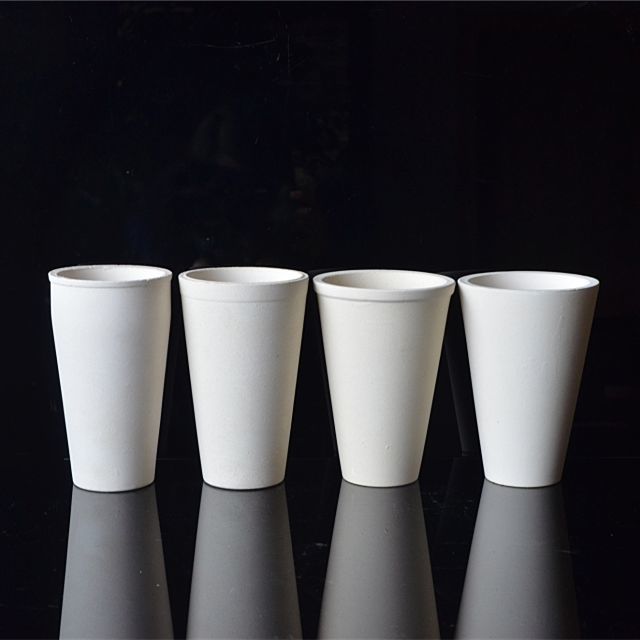
Enhancing Durability and Performance: Laboratory Porcelain Fire Assay Crucibles for the Ceramic Sector
Time:
2024-01-13 14:20
Source:
Table of Contents
1. Introduction
2. Understanding Laboratory Porcelain Fire Assay Crucibles
3. The Importance of Durability in Ceramic Testing
4. Enhancing Performance with Laboratory Porcelain Crucibles
5. Key Features and Benefits of Laboratory Porcelain Fire Assay Crucibles
6. How to Choose the Right Laboratory Porcelain Crucible for Your Needs
7. Frequently Asked Questions
8. Conclusion
1. Introduction
In the ceramic sector, durability and performance are paramount to achieving high-quality results. Laboratory porcelain fire assay crucibles play a crucial role in enhancing these aspects and optimizing ceramic processes. This article will delve into the benefits of using these crucibles, providing valuable insights into their features and how to choose the right crucible for your specific needs.
2. Understanding Laboratory Porcelain Fire Assay Crucibles
Laboratory porcelain fire assay crucibles are specially designed containers used for high-temperature applications in ceramic testing. These crucibles are made from high-quality porcelain, which enables them to withstand extreme temperatures without compromising their structural integrity. The composition and manufacturing process of these crucibles ensure optimal performance and longevity, making them an indispensable tool in the ceramic sector.
3. The Importance of Durability in Ceramic Testing
Durability is crucial in ceramic testing as it directly impacts the reliability and accuracy of the results. Laboratory porcelain fire assay crucibles excel in this aspect, as they are resistant to thermal shock, chemical corrosion, and physical wear. This durability ensures consistent performance throughout repeated testing cycles, minimizing the need for frequent replacements and reducing overall costs.
4. Enhancing Performance with Laboratory Porcelain Crucibles
Laboratory porcelain fire assay crucibles significantly enhance performance in ceramic testing processes. The superior thermal conductivity of porcelain allows for efficient heat transfer, ensuring uniform temperature distribution within the crucible. This uniformity contributes to precise and reliable test results, as temperature variations can negatively affect the outcome. Additionally, the inert nature of porcelain minimizes the risk of chemical reactions with the tested materials, preserving the integrity of the samples and preventing contamination.
5. Key Features and Benefits of Laboratory Porcelain Fire Assay Crucibles
- High-temperature resistance: Laboratory porcelain fire assay crucibles can withstand extreme temperatures, making them suitable for a wide range of ceramic testing applications.
- Chemical resistance: The inert nature of porcelain prevents chemical reactions, ensuring accurate test results and maintaining the purity of the tested materials.
- Thermal shock resistance: These crucibles can handle rapid temperature changes without cracking or breaking, allowing for efficient and reliable testing.
- Longevity: Laboratory porcelain fire assay crucibles are designed to last, reducing the need for frequent replacements and saving costs in the long run.
- Easy maintenance: Porcelain crucibles are easy to clean and maintain, further improving efficiency and productivity in ceramic testing processes.
6. How to Choose the Right Laboratory Porcelain Crucible for Your Needs
When selecting a laboratory porcelain fire assay crucible, several factors should be considered:
- Size and capacity: Choose a crucible that can accommodate the volume of material needed for your specific tests.
- Temperature range: Ensure that the crucible can withstand the highest temperature required for your ceramic processes.
- Application compatibility: Consider the specific type of ceramic testing you conduct and select a crucible suitable for that application.
- Manufacturer reputation: Opt for crucibles from reputable manufacturers known for their quality and consistency.
7. Frequently Asked Questions
Q1: Can laboratory porcelain fire assay crucibles be reused?
Q2: Are these crucibles suitable for high-temperature testing?
Q3: How do I clean and maintain porcelain crucibles?
Q4: What is the maximum temperature that these crucibles can withstand?
Q5: Can laboratory porcelain fire assay crucibles be used with all types of ceramic materials?
8. Conclusion
Laboratory porcelain fire assay crucibles are indispensable tools in the ceramic sector, offering enhanced durability and performance in testing processes. Their ability to withstand high temperatures, resist chemical corrosion, and provide uniform heat distribution contribute to accurate and reliable results. By choosing the right crucible for your specific needs and following proper maintenance procedures, you can optimize your ceramic testing processes and achieve exceptional outcomes.
1. Introduction
2. Understanding Laboratory Porcelain Fire Assay Crucibles
3. The Importance of Durability in Ceramic Testing
4. Enhancing Performance with Laboratory Porcelain Crucibles
5. Key Features and Benefits of Laboratory Porcelain Fire Assay Crucibles
6. How to Choose the Right Laboratory Porcelain Crucible for Your Needs
7. Frequently Asked Questions
8. Conclusion
1. Introduction
In the ceramic sector, durability and performance are paramount to achieving high-quality results. Laboratory porcelain fire assay crucibles play a crucial role in enhancing these aspects and optimizing ceramic processes. This article will delve into the benefits of using these crucibles, providing valuable insights into their features and how to choose the right crucible for your specific needs.
2. Understanding Laboratory Porcelain Fire Assay Crucibles
Laboratory porcelain fire assay crucibles are specially designed containers used for high-temperature applications in ceramic testing. These crucibles are made from high-quality porcelain, which enables them to withstand extreme temperatures without compromising their structural integrity. The composition and manufacturing process of these crucibles ensure optimal performance and longevity, making them an indispensable tool in the ceramic sector.
3. The Importance of Durability in Ceramic Testing
Durability is crucial in ceramic testing as it directly impacts the reliability and accuracy of the results. Laboratory porcelain fire assay crucibles excel in this aspect, as they are resistant to thermal shock, chemical corrosion, and physical wear. This durability ensures consistent performance throughout repeated testing cycles, minimizing the need for frequent replacements and reducing overall costs.
4. Enhancing Performance with Laboratory Porcelain Crucibles
Laboratory porcelain fire assay crucibles significantly enhance performance in ceramic testing processes. The superior thermal conductivity of porcelain allows for efficient heat transfer, ensuring uniform temperature distribution within the crucible. This uniformity contributes to precise and reliable test results, as temperature variations can negatively affect the outcome. Additionally, the inert nature of porcelain minimizes the risk of chemical reactions with the tested materials, preserving the integrity of the samples and preventing contamination.
5. Key Features and Benefits of Laboratory Porcelain Fire Assay Crucibles
- High-temperature resistance: Laboratory porcelain fire assay crucibles can withstand extreme temperatures, making them suitable for a wide range of ceramic testing applications.
- Chemical resistance: The inert nature of porcelain prevents chemical reactions, ensuring accurate test results and maintaining the purity of the tested materials.
- Thermal shock resistance: These crucibles can handle rapid temperature changes without cracking or breaking, allowing for efficient and reliable testing.
- Longevity: Laboratory porcelain fire assay crucibles are designed to last, reducing the need for frequent replacements and saving costs in the long run.
- Easy maintenance: Porcelain crucibles are easy to clean and maintain, further improving efficiency and productivity in ceramic testing processes.
6. How to Choose the Right Laboratory Porcelain Crucible for Your Needs
When selecting a laboratory porcelain fire assay crucible, several factors should be considered:
- Size and capacity: Choose a crucible that can accommodate the volume of material needed for your specific tests.
- Temperature range: Ensure that the crucible can withstand the highest temperature required for your ceramic processes.
- Application compatibility: Consider the specific type of ceramic testing you conduct and select a crucible suitable for that application.
- Manufacturer reputation: Opt for crucibles from reputable manufacturers known for their quality and consistency.
7. Frequently Asked Questions
Q1: Can laboratory porcelain fire assay crucibles be reused?
Q2: Are these crucibles suitable for high-temperature testing?
Q3: How do I clean and maintain porcelain crucibles?
Q4: What is the maximum temperature that these crucibles can withstand?
Q5: Can laboratory porcelain fire assay crucibles be used with all types of ceramic materials?
8. Conclusion
Laboratory porcelain fire assay crucibles are indispensable tools in the ceramic sector, offering enhanced durability and performance in testing processes. Their ability to withstand high temperatures, resist chemical corrosion, and provide uniform heat distribution contribute to accurate and reliable results. By choosing the right crucible for your specific needs and following proper maintenance procedures, you can optimize your ceramic testing processes and achieve exceptional outcomes.
laboratory porcelain fire assay crucible
INQUIRY FOR PRICELIST
For inquiries about our products or pricelist, please leave your inquiry and we will be in touch within 24 hours.
MoreFollow Us
Contact Us
Ms.Fanny
Email: sintyron@xtlceramic.com
Complaints and Opinions : anna@xtlceramic.com
Telephone:0086-731-23253338
Address:ShenTan Industrial
Area,Hunan,China 412200