

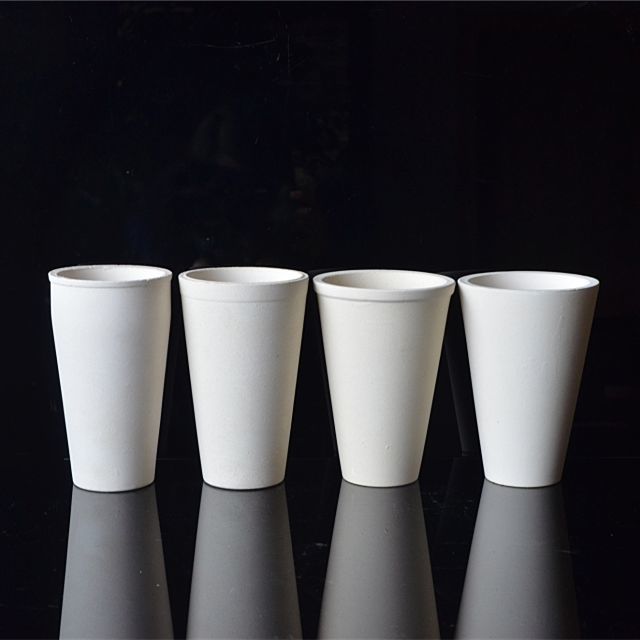
Choosing the Right Ceramic Fire Clay for Your Fire Assay Crucibles
Time:
2024-01-19 13:40
Source:
Table of Contents
1. Introduction: Understanding the Importance of Ceramic Fire Clay for Fire Assay Crucibles
2. Key Factors to Consider When Choosing Ceramic Fire Clay
3. Different Types of Ceramic Fire Clays Available
3.1 High Alumina Fire Clay
3.2 Silica Fire Clay
3.3 Mullite Fire Clay
3.4 Zirconia Fire Clay
4. Assessing Crucible Performance with Ceramic Fire Clay
5. Frequently Asked Questions (FAQs)
5.1 What is the recommended firing temperature for ceramic fire clay?
5.2 Can I mix different types of ceramic fire clays together?
5.3 How long does ceramic fire clay last in a fire assay crucible?
5.4 Does the particle size of ceramic fire clay affect its performance?
5.5 What is the optimal clay-to-water ratio for preparing ceramic fire clay mix?
6. Conclusion: Choose the Right Ceramic Fire Clay for Optimal Fire Assay Crucible Performance
1. Introduction: Understanding the Importance of Ceramic Fire Clay for Fire Assay Crucibles
When it comes to fire assay crucibles, the choice of ceramic fire clay plays a crucial role in ensuring optimal performance and durability. Ceramic fire clay acts as a binder, providing mechanical strength to crucibles during the intense heat of the fire assay process. In this article, we will guide you through the process of selecting the right ceramic fire clay for your fire assay crucibles, helping you make an informed decision.
2. Key Factors to Consider When Choosing Ceramic Fire Clay
To choose the right ceramic fire clay, it is essential to consider several factors. These include:
2.1 Thermal Stability: Ceramic fire clay should possess excellent thermal stability to withstand high temperatures without cracking or warping. This ensures the longevity and reliability of the fire assay crucible.
2.2 Low Thermal Conductivity: Opting for ceramic fire clay with low thermal conductivity helps minimize heat loss during the fire assay process, leading to more accurate and consistent results.
2.3 Chemical Resistance: The ceramic fire clay should exhibit high chemical resistance to withstand the corrosive nature of the materials being tested during the fire assay.
2.4 Mechanical Strength: The chosen ceramic fire clay should provide sufficient mechanical strength to withstand the physical stresses experienced during the firing process.
3. Different Types of Ceramic Fire Clays Available
There are various types of ceramic fire clays available in the market, each with its own unique properties and advantages. Some of the commonly used ones are:
3.1 High Alumina Fire Clay
High alumina fire clay is known for its exceptional thermal stability and mechanical strength. It is ideal for applications requiring high temperatures and chemical resistance. This type of fire clay is widely used in laboratories and industries where accurate and reliable results are crucial.
3.2 Silica Fire Clay
Silica fire clay offers excellent thermal shock resistance and low thermal conductivity. It is commonly used in applications where rapid temperature changes occur, as it can withstand sudden thermal shocks without cracking. Silica fire clay is suitable for fire assay crucibles used in gold and silver testing.
3.3 Mullite Fire Clay
Mullite fire clay combines the advantages of high alumina and silica fire clays. It offers superior thermal stability, low thermal expansion, and excellent chemical resistance. Mullite fire clay is an excellent choice for fire assay crucibles used in a wide range of applications, including metal analysis and mineral processing.
3.4 Zirconia Fire Clay
Zirconia fire clay is known for its exceptional resistance to chemical attack, making it highly suitable for corrosive environments. It exhibits excellent thermal stability and low thermal conductivity, making it an ideal choice for fire assay crucibles used in aggressive chemical analysis.
4. Assessing Crucible Performance with Ceramic Fire Clay
To assess the performance of a fire assay crucible with ceramic fire clay, several factors need to be considered:
- Temperature resistance: The crucible should retain its shape and structural integrity at high temperatures.
- Chemical resistance: The ceramic fire clay should withstand the corrosive nature of the materials being tested.
- Heat transfer: The crucible should allow for efficient heat transfer to ensure accurate and consistent results.
- Durability: The ceramic fire clay should provide long-lasting performance, reducing the need for frequent replacements.
5. Frequently Asked Questions (FAQs)
5.1 What is the recommended firing temperature for ceramic fire clay?
The recommended firing temperature for ceramic fire clay varies depending on the specific type and composition. It is crucial to follow the manufacturer's guidelines for optimal results.
5.2 Can I mix different types of ceramic fire clays together?
Yes, it is possible to mix different types of ceramic fire clays together to achieve desired properties. However, it is essential to consult with experts or conduct trials to ensure compatibility and obtain the desired results.
5.3 How long does ceramic fire clay last in a fire assay crucible?
The lifespan of ceramic fire clay in a fire assay crucible depends on various factors, such as the specific type of clay, firing conditions, and usage. With proper care and maintenance, ceramic fire clay can last for several cycles of fire assay tests.
5.4 Does the particle size of ceramic fire clay affect its performance?
Yes, the particle size of ceramic fire clay can impact its performance. Finer particles generally provide better homogeneity and a smoother surface finish, while coarser particles may enhance permeability and reduce shrinkage during firing.
5.5 What is the optimal clay-to-water ratio for preparing ceramic fire clay mix?
The optimal clay-to-water ratio for preparing ceramic fire clay mix may vary depending on the specific type of clay and desired consistency. It is advisable to follow the manufacturer's instructions or consult with experts for the best clay-to-water ratio.
6. Conclusion: Choose the Right Ceramic Fire Clay for Optimal Fire Assay Crucible Performance
Choosing the right ceramic fire clay for your fire assay crucibles is vital for achieving accurate and reliable results. Consider factors such as thermal stability, thermal conductivity, chemical resistance, and mechanical strength when making your selection. By understanding the properties and characteristics of different types of ceramic fire clays, you can ensure the longevity and optimal performance of your fire assay crucibles.
1. Introduction: Understanding the Importance of Ceramic Fire Clay for Fire Assay Crucibles
2. Key Factors to Consider When Choosing Ceramic Fire Clay
3. Different Types of Ceramic Fire Clays Available
3.1 High Alumina Fire Clay
3.2 Silica Fire Clay
3.3 Mullite Fire Clay
3.4 Zirconia Fire Clay
4. Assessing Crucible Performance with Ceramic Fire Clay
5. Frequently Asked Questions (FAQs)
5.1 What is the recommended firing temperature for ceramic fire clay?
5.2 Can I mix different types of ceramic fire clays together?
5.3 How long does ceramic fire clay last in a fire assay crucible?
5.4 Does the particle size of ceramic fire clay affect its performance?
5.5 What is the optimal clay-to-water ratio for preparing ceramic fire clay mix?
6. Conclusion: Choose the Right Ceramic Fire Clay for Optimal Fire Assay Crucible Performance
1. Introduction: Understanding the Importance of Ceramic Fire Clay for Fire Assay Crucibles
When it comes to fire assay crucibles, the choice of ceramic fire clay plays a crucial role in ensuring optimal performance and durability. Ceramic fire clay acts as a binder, providing mechanical strength to crucibles during the intense heat of the fire assay process. In this article, we will guide you through the process of selecting the right ceramic fire clay for your fire assay crucibles, helping you make an informed decision.
2. Key Factors to Consider When Choosing Ceramic Fire Clay
To choose the right ceramic fire clay, it is essential to consider several factors. These include:
2.1 Thermal Stability: Ceramic fire clay should possess excellent thermal stability to withstand high temperatures without cracking or warping. This ensures the longevity and reliability of the fire assay crucible.
2.2 Low Thermal Conductivity: Opting for ceramic fire clay with low thermal conductivity helps minimize heat loss during the fire assay process, leading to more accurate and consistent results.
2.3 Chemical Resistance: The ceramic fire clay should exhibit high chemical resistance to withstand the corrosive nature of the materials being tested during the fire assay.
2.4 Mechanical Strength: The chosen ceramic fire clay should provide sufficient mechanical strength to withstand the physical stresses experienced during the firing process.
3. Different Types of Ceramic Fire Clays Available
There are various types of ceramic fire clays available in the market, each with its own unique properties and advantages. Some of the commonly used ones are:
3.1 High Alumina Fire Clay
High alumina fire clay is known for its exceptional thermal stability and mechanical strength. It is ideal for applications requiring high temperatures and chemical resistance. This type of fire clay is widely used in laboratories and industries where accurate and reliable results are crucial.
3.2 Silica Fire Clay
Silica fire clay offers excellent thermal shock resistance and low thermal conductivity. It is commonly used in applications where rapid temperature changes occur, as it can withstand sudden thermal shocks without cracking. Silica fire clay is suitable for fire assay crucibles used in gold and silver testing.
3.3 Mullite Fire Clay
Mullite fire clay combines the advantages of high alumina and silica fire clays. It offers superior thermal stability, low thermal expansion, and excellent chemical resistance. Mullite fire clay is an excellent choice for fire assay crucibles used in a wide range of applications, including metal analysis and mineral processing.
3.4 Zirconia Fire Clay
Zirconia fire clay is known for its exceptional resistance to chemical attack, making it highly suitable for corrosive environments. It exhibits excellent thermal stability and low thermal conductivity, making it an ideal choice for fire assay crucibles used in aggressive chemical analysis.
4. Assessing Crucible Performance with Ceramic Fire Clay
To assess the performance of a fire assay crucible with ceramic fire clay, several factors need to be considered:
- Temperature resistance: The crucible should retain its shape and structural integrity at high temperatures.
- Chemical resistance: The ceramic fire clay should withstand the corrosive nature of the materials being tested.
- Heat transfer: The crucible should allow for efficient heat transfer to ensure accurate and consistent results.
- Durability: The ceramic fire clay should provide long-lasting performance, reducing the need for frequent replacements.
5. Frequently Asked Questions (FAQs)
5.1 What is the recommended firing temperature for ceramic fire clay?
The recommended firing temperature for ceramic fire clay varies depending on the specific type and composition. It is crucial to follow the manufacturer's guidelines for optimal results.
5.2 Can I mix different types of ceramic fire clays together?
Yes, it is possible to mix different types of ceramic fire clays together to achieve desired properties. However, it is essential to consult with experts or conduct trials to ensure compatibility and obtain the desired results.
5.3 How long does ceramic fire clay last in a fire assay crucible?
The lifespan of ceramic fire clay in a fire assay crucible depends on various factors, such as the specific type of clay, firing conditions, and usage. With proper care and maintenance, ceramic fire clay can last for several cycles of fire assay tests.
5.4 Does the particle size of ceramic fire clay affect its performance?
Yes, the particle size of ceramic fire clay can impact its performance. Finer particles generally provide better homogeneity and a smoother surface finish, while coarser particles may enhance permeability and reduce shrinkage during firing.
5.5 What is the optimal clay-to-water ratio for preparing ceramic fire clay mix?
The optimal clay-to-water ratio for preparing ceramic fire clay mix may vary depending on the specific type of clay and desired consistency. It is advisable to follow the manufacturer's instructions or consult with experts for the best clay-to-water ratio.
6. Conclusion: Choose the Right Ceramic Fire Clay for Optimal Fire Assay Crucible Performance
Choosing the right ceramic fire clay for your fire assay crucibles is vital for achieving accurate and reliable results. Consider factors such as thermal stability, thermal conductivity, chemical resistance, and mechanical strength when making your selection. By understanding the properties and characteristics of different types of ceramic fire clays, you can ensure the longevity and optimal performance of your fire assay crucibles.
ceramic fire clay fire assay crucible
INQUIRY FOR PRICELIST
For inquiries about our products or pricelist, please leave your inquiry and we will be in touch within 24 hours.
MoreFollow Us
Contact Us
Ms.Fanny
Email: sintyron@xtlceramic.com
Complaints and Opinions : anna@xtlceramic.com
Telephone:0086-731-23253338
Address:ShenTan Industrial
Area,Hunan,China 412200