

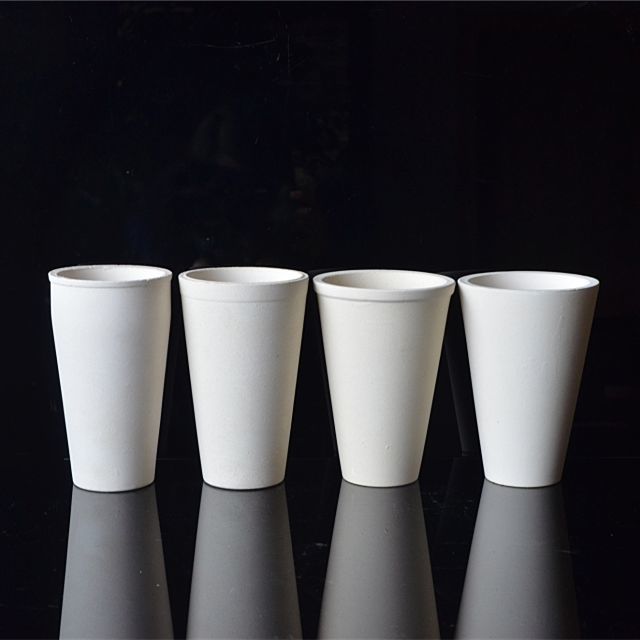
Fire Assay Crucibles for Mineral Assaying: Essential Tools for the Ceramic Industry
Time:
2024-01-22 13:20
Source:
Introduction:
Fire assay crucibles play a crucial role in the ceramic industry, particularly in the field of mineral assaying. As an essential tool for analyzing the composition of building and decorative materials, these crucibles provide invaluable insights into the quality and characteristics of ceramics. In this article, we will delve into the significance of fire assay crucibles and their relevance to the manufacturing and assessment of ceramics in the construction and decoration sector.
1. Understanding Fire Assay Crucibles:
Fire assay crucibles are specialized containers made from durable materials such as clay, graphite, or silica. They are designed to withstand extreme temperatures during the process of mineral assaying. These crucibles act as vessels to hold mineral samples while they undergo heating and melting, enabling the extraction and analysis of valuable elements present in the ceramic materials.
2. Crucial Role in Mineral Assaying:
Mineral assaying involves the analysis of mineral samples to determine their chemical composition and quality. Fire assay crucibles are indispensable for this process as they facilitate the precise measurement of different elements, such as metals, oxides, and impurities. By subjecting the mineral samples to high temperatures, these crucibles enable the separation and identification of various components, providing vital information for quality control and product development.
3. Ensuring Accurate Results:
The choice of appropriate fire assay crucibles is crucial to ensure accurate and reliable results in mineral assaying. Different crucible materials are suitable for specific types of minerals and temperature ranges. For example, clay crucibles are commonly used for lower temperature applications, while graphite crucibles are preferred for higher temperature ranges. Selecting the right crucible material helps minimize contamination and ensures precise analysis, ultimately enhancing the overall quality of ceramic products.
4. Optimizing Ceramic Manufacturing:
By utilizing fire assay crucibles during the manufacturing process, ceramic companies can optimize their production and maintain consistent product quality. These crucibles enable the identification of impurities and potential flaws in raw materials, allowing manufacturers to make informed decisions about material selection and blending. This knowledge empowers them to create ceramics with enhanced properties, durability, and aesthetic appeal.
5. Advancing Ceramic Research and Development:
In addition to their role in quality control, fire assay crucibles contribute to the advancement of ceramic research and development. By analyzing the composition and properties of minerals, researchers can explore innovative ceramic formulations, improve existing materials, and develop new applications. Fire assay crucibles serve as reliable tools for researchers to study the behavior of minerals under different conditions, leading to continuous innovation in the ceramic industry.
Conclusion:
Fire assay crucibles are essential components in the ceramic industry, specifically in the field of mineral assaying. Their ability to withstand high temperatures and facilitate accurate analysis of ceramic materials makes them indispensable for quality control, manufacturing optimization, and research and development. By embracing the significance of fire assay crucibles, the construction and decoration sector can continue to produce high-quality ceramics that meet the demands of professionals and consumers alike.
Fire assay crucibles play a crucial role in the ceramic industry, particularly in the field of mineral assaying. As an essential tool for analyzing the composition of building and decorative materials, these crucibles provide invaluable insights into the quality and characteristics of ceramics. In this article, we will delve into the significance of fire assay crucibles and their relevance to the manufacturing and assessment of ceramics in the construction and decoration sector.
1. Understanding Fire Assay Crucibles:
Fire assay crucibles are specialized containers made from durable materials such as clay, graphite, or silica. They are designed to withstand extreme temperatures during the process of mineral assaying. These crucibles act as vessels to hold mineral samples while they undergo heating and melting, enabling the extraction and analysis of valuable elements present in the ceramic materials.
2. Crucial Role in Mineral Assaying:
Mineral assaying involves the analysis of mineral samples to determine their chemical composition and quality. Fire assay crucibles are indispensable for this process as they facilitate the precise measurement of different elements, such as metals, oxides, and impurities. By subjecting the mineral samples to high temperatures, these crucibles enable the separation and identification of various components, providing vital information for quality control and product development.
3. Ensuring Accurate Results:
The choice of appropriate fire assay crucibles is crucial to ensure accurate and reliable results in mineral assaying. Different crucible materials are suitable for specific types of minerals and temperature ranges. For example, clay crucibles are commonly used for lower temperature applications, while graphite crucibles are preferred for higher temperature ranges. Selecting the right crucible material helps minimize contamination and ensures precise analysis, ultimately enhancing the overall quality of ceramic products.
4. Optimizing Ceramic Manufacturing:
By utilizing fire assay crucibles during the manufacturing process, ceramic companies can optimize their production and maintain consistent product quality. These crucibles enable the identification of impurities and potential flaws in raw materials, allowing manufacturers to make informed decisions about material selection and blending. This knowledge empowers them to create ceramics with enhanced properties, durability, and aesthetic appeal.
5. Advancing Ceramic Research and Development:
In addition to their role in quality control, fire assay crucibles contribute to the advancement of ceramic research and development. By analyzing the composition and properties of minerals, researchers can explore innovative ceramic formulations, improve existing materials, and develop new applications. Fire assay crucibles serve as reliable tools for researchers to study the behavior of minerals under different conditions, leading to continuous innovation in the ceramic industry.
Conclusion:
Fire assay crucibles are essential components in the ceramic industry, specifically in the field of mineral assaying. Their ability to withstand high temperatures and facilitate accurate analysis of ceramic materials makes them indispensable for quality control, manufacturing optimization, and research and development. By embracing the significance of fire assay crucibles, the construction and decoration sector can continue to produce high-quality ceramics that meet the demands of professionals and consumers alike.
fire assay crucibles for mineral assaying
INQUIRY FOR PRICELIST
For inquiries about our products or pricelist, please leave your inquiry and we will be in touch within 24 hours.
MoreFollow Us
Contact Us
Ms.Fanny
Email: sintyron@xtlceramic.com
Complaints and Opinions : anna@xtlceramic.com
Telephone:0086-731-23253338
Address:ShenTan Industrial
Area,Hunan,China 412200