

Why Magnesite Cupels Are the Perfect Choice for Ceramic Applications
Time:
2024-01-25 14:40
Source:
Table of Contents:
1. Introduction: Understanding the Importance of Magnesite Cupels in Ceramic Applications
2. What are Magnesite Cupels?
3. The Advantages of Using Magnesite Cupels in Ceramic Applications
3.1 High Temperature Resistance and Thermal Stability
3.2 Excellent Chemical Compatibility
3.3 Superior Durability and Longevity
4. How Magnesite Cupels Improve Ceramic Applications
4.1 Enhancing the Firing Process
4.2 Ensuring Consistent and Reliable Results
4.3 Facilitating Precise Control of Ceramic Properties
5. Frequently Asked Questions (FAQs)
5.1 How are magnesite cupels manufactured?
5.2 Can magnesite cupels be reused?
5.3 Are magnesite cupels suitable for all types of ceramic materials?
5.4 What is the recommended temperature range for using magnesite cupels?
5.5 How do magnesite cupels compare to other cupel materials?
6. Conclusion: Embracing the Versatility and Efficiency of Magnesite Cupels in Ceramic Applications
1. Introduction: Understanding the Importance of Magnesite Cupels in Ceramic Applications
In the realm of ceramic applications, the choice of materials plays a crucial role in achieving desired outcomes. Among the various options available, magnesite cupels have emerged as a perfect choice due to their exceptional properties and versatility. This article explores the benefits and significance of magnesite cupels in ceramic applications, highlighting why they are preferred by professionals in the industry.
2. What are Magnesite Cupels?
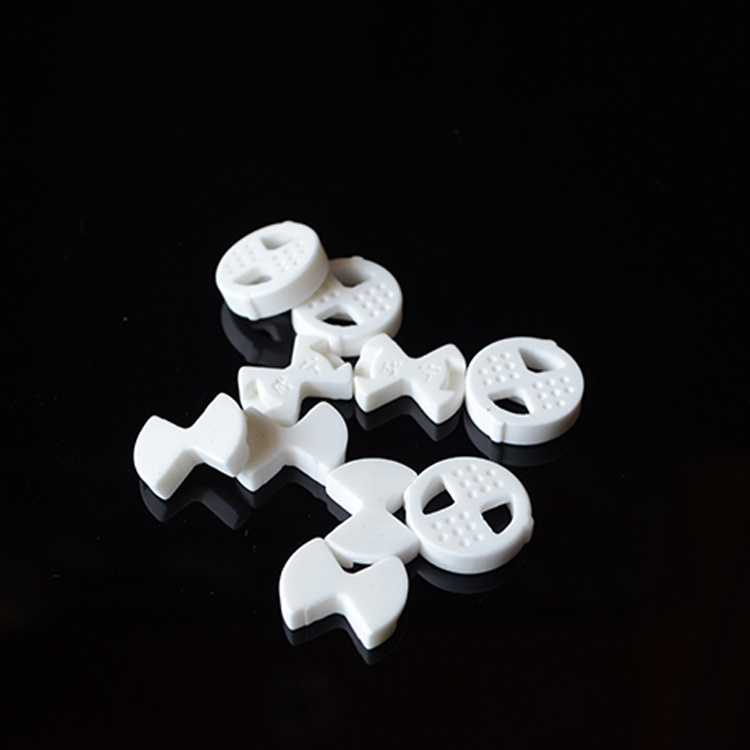
Magnesite cupels are specialized crucibles made from magnesium oxide (MgO), also known as magnesia. These cupels are designed to withstand high temperatures and are widely used in ceramic applications, including firing processes, material testing, and glazing.
3. The Advantages of Using Magnesite Cupels in Ceramic Applications
3.1 High Temperature Resistance and Thermal Stability
One of the key advantages of magnesite cupels is their exceptional resistance to high temperatures. They can endure extreme heat without compromising their structural integrity or chemical composition. This property is essential in ceramic applications where firing temperatures can reach several thousand degrees Celsius.
3.2 Excellent Chemical Compatibility
Magnesite cupels exhibit excellent chemical compatibility with a wide range of ceramic materials. Their composition ensures minimal interaction with the substances being processed, allowing for accurate analysis and consistent results. Additionally, magnesite cupels are non-reactive towards corrosive materials commonly found in ceramics, ensuring optimal performance and longevity.
3.3 Superior Durability and Longevity
Durability is a critical factor in any ceramic application. Magnesite cupels boast exceptional mechanical strength and resistance to thermal shocks, making them highly durable even under demanding conditions. Their longevity ensures cost-effectiveness and reduces the need for frequent replacements.
4. How Magnesite Cupels Improve Ceramic Applications
4.1 Enhancing the Firing Process
The firing process is a vital step in ceramic applications, and magnesite cupels play a significant role in ensuring its success. With their high temperature resistance and thermal stability, these cupels provide a controlled environment for heat distribution, preventing deformation or damage to the ceramic material. This allows for precise firing, resulting in consistent and high-quality products.
4.2 Ensuring Consistent and Reliable Results
The chemical compatibility of magnesite cupels ensures accurate analysis and measurement of ceramic materials. By eliminating unwanted interactions between the cupel and the substances being processed, professionals can rely on consistent and reliable results. This is particularly crucial in industries where precision and quality control are paramount.
4.3 Facilitating Precise Control of Ceramic Properties
Magnesite cupels offer professionals the ability to precisely control the properties of ceramic materials. Their chemical inertness and unique thermal conductivity allow for precise regulation of temperature profiles during firing, glazing, or testing processes. This level of control contributes to achieving desired ceramic properties such as strength, porosity, and color.
5. Frequently Asked Questions (FAQs)
5.1 How are magnesite cupels manufactured?
Magnesite cupels are manufactured by compacting and firing magnesia powder at high temperatures. The resulting materials are then shaped into cupel forms and undergo further processing to achieve the desired quality and dimensions.
5.2 Can magnesite cupels be reused?
Yes, magnesite cupels can be reused multiple times, depending on their condition. After each use, they should be inspected for any signs of damage or deterioration. Proper cleaning and maintenance can help prolong their lifespan.
5.3 Are magnesite cupels suitable for all types of ceramic materials?
Magnesite cupels are compatible with a wide range of ceramic materials, including various clays, porcelain, and stoneware. However, it is essential to consider specific requirements and consult with experts to ensure the suitability of magnesite cupels for particular applications.
5.4 What is the recommended temperature range for using magnesite cupels?
Magnesite cupels can withstand temperatures ranging from 1500 to 1800 degrees Celsius, making them suitable for most ceramic applications. However, it is advisable to refer to the manufacturer's guidelines or seek professional advice for precise temperature recommendations based on the specific ceramic material being processed.
5.5 How do magnesite cupels compare to other cupel materials?
Magnesite cupels offer distinct advantages over other cupel materials, such as bone ash or quartz. Their exceptional thermal stability, chemical compatibility, and longevity make them a preferred choice for professionals in ceramic applications. Additionally, magnesite cupels are often more cost-effective, making them a practical solution for various industries.
6. Conclusion: Embracing the Versatility and Efficiency of Magnesite Cupels in Ceramic Applications
In conclusion, magnesite cupels have become the perfect choice for ceramic applications due to their exceptional properties and versatility. Their high temperature resistance, excellent chemical compatibility, and superior durability make them invaluable tools in firing processes, material testing, and glazing. By utilizing magnesite cupels, professionals can enhance the quality, consistency, and control of ceramic properties, ultimately achieving superior results.
1. Introduction: Understanding the Importance of Magnesite Cupels in Ceramic Applications
2. What are Magnesite Cupels?
3. The Advantages of Using Magnesite Cupels in Ceramic Applications
3.1 High Temperature Resistance and Thermal Stability
3.2 Excellent Chemical Compatibility
3.3 Superior Durability and Longevity
4. How Magnesite Cupels Improve Ceramic Applications
4.1 Enhancing the Firing Process
4.2 Ensuring Consistent and Reliable Results
4.3 Facilitating Precise Control of Ceramic Properties
5. Frequently Asked Questions (FAQs)
5.1 How are magnesite cupels manufactured?
5.2 Can magnesite cupels be reused?
5.3 Are magnesite cupels suitable for all types of ceramic materials?
5.4 What is the recommended temperature range for using magnesite cupels?
5.5 How do magnesite cupels compare to other cupel materials?
6. Conclusion: Embracing the Versatility and Efficiency of Magnesite Cupels in Ceramic Applications
1. Introduction: Understanding the Importance of Magnesite Cupels in Ceramic Applications
In the realm of ceramic applications, the choice of materials plays a crucial role in achieving desired outcomes. Among the various options available, magnesite cupels have emerged as a perfect choice due to their exceptional properties and versatility. This article explores the benefits and significance of magnesite cupels in ceramic applications, highlighting why they are preferred by professionals in the industry.
2. What are Magnesite Cupels?
Magnesite cupels are specialized crucibles made from magnesium oxide (MgO), also known as magnesia. These cupels are designed to withstand high temperatures and are widely used in ceramic applications, including firing processes, material testing, and glazing.
3. The Advantages of Using Magnesite Cupels in Ceramic Applications
3.1 High Temperature Resistance and Thermal Stability
One of the key advantages of magnesite cupels is their exceptional resistance to high temperatures. They can endure extreme heat without compromising their structural integrity or chemical composition. This property is essential in ceramic applications where firing temperatures can reach several thousand degrees Celsius.
3.2 Excellent Chemical Compatibility
Magnesite cupels exhibit excellent chemical compatibility with a wide range of ceramic materials. Their composition ensures minimal interaction with the substances being processed, allowing for accurate analysis and consistent results. Additionally, magnesite cupels are non-reactive towards corrosive materials commonly found in ceramics, ensuring optimal performance and longevity.
3.3 Superior Durability and Longevity
Durability is a critical factor in any ceramic application. Magnesite cupels boast exceptional mechanical strength and resistance to thermal shocks, making them highly durable even under demanding conditions. Their longevity ensures cost-effectiveness and reduces the need for frequent replacements.
4. How Magnesite Cupels Improve Ceramic Applications
4.1 Enhancing the Firing Process
The firing process is a vital step in ceramic applications, and magnesite cupels play a significant role in ensuring its success. With their high temperature resistance and thermal stability, these cupels provide a controlled environment for heat distribution, preventing deformation or damage to the ceramic material. This allows for precise firing, resulting in consistent and high-quality products.
4.2 Ensuring Consistent and Reliable Results
The chemical compatibility of magnesite cupels ensures accurate analysis and measurement of ceramic materials. By eliminating unwanted interactions between the cupel and the substances being processed, professionals can rely on consistent and reliable results. This is particularly crucial in industries where precision and quality control are paramount.
4.3 Facilitating Precise Control of Ceramic Properties
Magnesite cupels offer professionals the ability to precisely control the properties of ceramic materials. Their chemical inertness and unique thermal conductivity allow for precise regulation of temperature profiles during firing, glazing, or testing processes. This level of control contributes to achieving desired ceramic properties such as strength, porosity, and color.
5. Frequently Asked Questions (FAQs)
5.1 How are magnesite cupels manufactured?
Magnesite cupels are manufactured by compacting and firing magnesia powder at high temperatures. The resulting materials are then shaped into cupel forms and undergo further processing to achieve the desired quality and dimensions.
5.2 Can magnesite cupels be reused?
Yes, magnesite cupels can be reused multiple times, depending on their condition. After each use, they should be inspected for any signs of damage or deterioration. Proper cleaning and maintenance can help prolong their lifespan.
5.3 Are magnesite cupels suitable for all types of ceramic materials?
Magnesite cupels are compatible with a wide range of ceramic materials, including various clays, porcelain, and stoneware. However, it is essential to consider specific requirements and consult with experts to ensure the suitability of magnesite cupels for particular applications.
5.4 What is the recommended temperature range for using magnesite cupels?
Magnesite cupels can withstand temperatures ranging from 1500 to 1800 degrees Celsius, making them suitable for most ceramic applications. However, it is advisable to refer to the manufacturer's guidelines or seek professional advice for precise temperature recommendations based on the specific ceramic material being processed.
5.5 How do magnesite cupels compare to other cupel materials?
Magnesite cupels offer distinct advantages over other cupel materials, such as bone ash or quartz. Their exceptional thermal stability, chemical compatibility, and longevity make them a preferred choice for professionals in ceramic applications. Additionally, magnesite cupels are often more cost-effective, making them a practical solution for various industries.
6. Conclusion: Embracing the Versatility and Efficiency of Magnesite Cupels in Ceramic Applications
In conclusion, magnesite cupels have become the perfect choice for ceramic applications due to their exceptional properties and versatility. Their high temperature resistance, excellent chemical compatibility, and superior durability make them invaluable tools in firing processes, material testing, and glazing. By utilizing magnesite cupels, professionals can enhance the quality, consistency, and control of ceramic properties, ultimately achieving superior results.
magnesite cupels
INQUIRY FOR PRICELIST
For inquiries about our products or pricelist, please leave to us and. we will be in touch within 24 hours.
MoreFollow Us
Contact Us
Ms.Fanny
Email: sintyron@xtlceramic.com
Complaints and Opinions : anna@xtlceramic.com
TEL:0086-731-23253338
Address:ShenTan Industrial
Area,Hunan,China 412200