

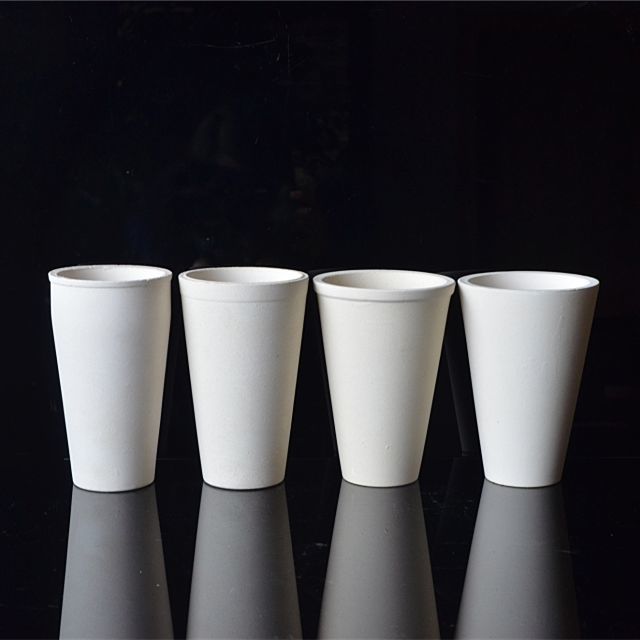
High-Quality Ceramic Building Materials withstanding temperatures up to 1300°C
Time:
2024-01-28 13:40
Source:
Ceramic materials have long been a popular choice in the construction and decoration industry due to their exceptional properties. When it comes to high temperatures, ceramics excel in their ability to withstand extreme conditions, making them ideal for various applications such as kilns, furnaces, and fire-resistant structures.
With temperatures reaching up to 1300°C, it is crucial to choose ceramic building materials that can maintain their integrity and performance under such extreme conditions. High-quality ceramics are specifically engineered to possess superior heat resistance, ensuring that they remain structurally stable and do not deform or crack when exposed to high temperatures.
One of the primary factors influencing a ceramic material's ability to withstand high temperatures is its composition. Ceramic manufacturers carefully select and refine the raw materials used in the production process to create a product that can endure the demanding conditions it will encounter. Advanced formulations and manufacturing techniques have led to the development of ceramics with remarkable heat resistance and durability.
In addition to their excellent thermal properties, high-quality ceramic building materials offer several other advantages. They are known for their low porosity, which prevents the absorption of moisture and makes them highly resistant to corrosion and chemical damage. This characteristic ensures the longevity of ceramic structures and reduces the need for frequent maintenance or repairs.
Furthermore, ceramics showcase an appealing aesthetic appeal, making them a popular choice in architectural design and decorative applications. The versatility of ceramic materials allows for various finishes, colors, and textures, enabling architects and designers to create visually stunning and functional spaces.
When selecting ceramic building materials, it is essential to consider factors such as the specific application, design requirements, and budget constraints. Consulting with experienced professionals in the industry will guide you towards the most suitable options for your project, ensuring optimal performance and longevity.
In summary, high-quality ceramic building materials offer exceptional heat resistance, making them suitable for applications requiring the ability to withstand temperatures up to 1300°C. Their durability, low porosity, and aesthetic appeal make them a preferred choice in the construction and decorative materials industry. By choosing the right ceramics for your project, you can create structures that not only withstand extreme temperatures but also enhance the overall design and functionality.
With temperatures reaching up to 1300°C, it is crucial to choose ceramic building materials that can maintain their integrity and performance under such extreme conditions. High-quality ceramics are specifically engineered to possess superior heat resistance, ensuring that they remain structurally stable and do not deform or crack when exposed to high temperatures.
One of the primary factors influencing a ceramic material's ability to withstand high temperatures is its composition. Ceramic manufacturers carefully select and refine the raw materials used in the production process to create a product that can endure the demanding conditions it will encounter. Advanced formulations and manufacturing techniques have led to the development of ceramics with remarkable heat resistance and durability.
In addition to their excellent thermal properties, high-quality ceramic building materials offer several other advantages. They are known for their low porosity, which prevents the absorption of moisture and makes them highly resistant to corrosion and chemical damage. This characteristic ensures the longevity of ceramic structures and reduces the need for frequent maintenance or repairs.
Furthermore, ceramics showcase an appealing aesthetic appeal, making them a popular choice in architectural design and decorative applications. The versatility of ceramic materials allows for various finishes, colors, and textures, enabling architects and designers to create visually stunning and functional spaces.
When selecting ceramic building materials, it is essential to consider factors such as the specific application, design requirements, and budget constraints. Consulting with experienced professionals in the industry will guide you towards the most suitable options for your project, ensuring optimal performance and longevity.
In summary, high-quality ceramic building materials offer exceptional heat resistance, making them suitable for applications requiring the ability to withstand temperatures up to 1300°C. Their durability, low porosity, and aesthetic appeal make them a preferred choice in the construction and decorative materials industry. By choosing the right ceramics for your project, you can create structures that not only withstand extreme temperatures but also enhance the overall design and functionality.
withstand 1300c higher temperature high quality fi
INQUIRY FOR PRICELIST
For inquiries about our products or pricelist, please leave your inquiry and we will be in touch within 24 hours.
MoreFollow Us
Contact Us
Ms.Fanny
Email: sintyron@xtlceramic.com
Complaints and Opinions : anna@xtlceramic.com
Telephone:0086-731-23253338
Address:ShenTan Industrial
Area,Hunan,China 412200