

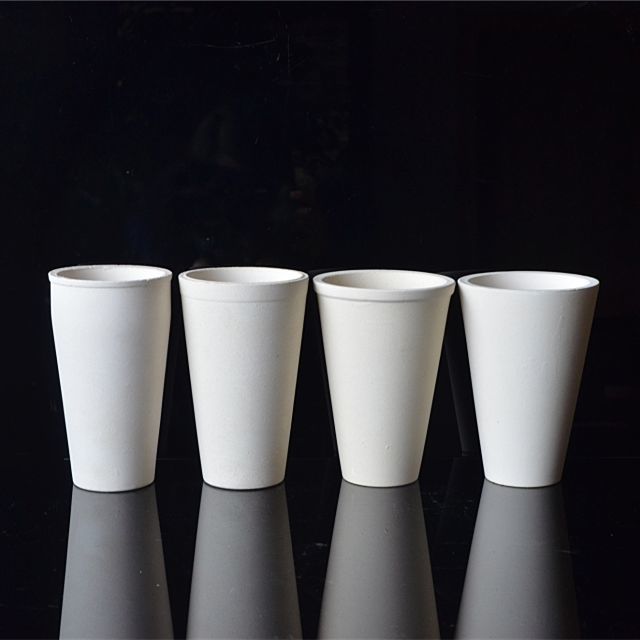
Fire Assay Crucible and Cupel Used in Cupellation: A Comprehensive Guide for the Ceramic Industry Professionals
Time:
2024-02-03 12:20
Source:
Fire assay is a widely used method in the analysis of precious metals, and crucibles and cupels play crucial roles in this process. In the ceramic industry, especially in the production of brick and stone materials, understanding the fundamentals of fire assay and the proper use of crucibles and cupels is essential.
Fire assay crucibles and cupels are primarily made from ceramic materials, such as bone ash, clay, and silica, due to their high resistance to extreme temperatures. These materials ensure the integrity of the samples during the cupellation process, where the precious metals are separated from impurities.
During cupellation, the fire assay crucible serves as a container for the sample mixture, which typically includes the metal to be analyzed along with lead and other fluxes. The mixture undergoes high-temperature heating in a controlled environment, causing the base metals to oxidize and form slag. Precious metals, such as gold and silver, resist oxidation and remain in the metallic state.
The cupel, on the other hand, acts as an absorbent for the lead oxide and other impurities generated during cupellation. It is usually made of bone ash, which has the property of absorbing and retaining the lead oxide while allowing the precious metals to collect in a bead-like form.
Proper handling of fire assay crucibles and cupels is crucial to obtain accurate results. Crucibles should be carefully preheated before use to ensure any moisture or impurities are eliminated. This can be done by placing them in a furnace and gradually increasing the temperature.
When adding the sample mixture to the crucible, it is essential to prevent any contamination or loss. Clean tools, such as tongs or forceps, should be used, and the sample should be evenly distributed in the crucible.
During cupellation, it is important to monitor the temperature carefully. The optimum temperature range for cupellation varies depending on the metals being analyzed but is typically between 900°C and 1000°C. This temperature ensures the complete oxidation of base metals while avoiding the loss of precious metals.
After cupellation, the cupel is carefully examined to evaluate the quality and quantity of precious metals present. The presence of a bead-like metallic button indicates the presence of gold or silver, while a lack of such a button suggests a low concentration or absence of these metals.
In conclusion, fire assay crucibles and cupels are indispensable tools in the cupellation process used to analyze precious metals in the ceramic industry. Understanding their role and proper usage is vital for professionals in the brick and stone materials production. By mastering the art of fire assay, accurate analysis of precious metals can be achieved, leading to improved quality control and product development in the ceramic industry.
Fire assay crucibles and cupels are primarily made from ceramic materials, such as bone ash, clay, and silica, due to their high resistance to extreme temperatures. These materials ensure the integrity of the samples during the cupellation process, where the precious metals are separated from impurities.
During cupellation, the fire assay crucible serves as a container for the sample mixture, which typically includes the metal to be analyzed along with lead and other fluxes. The mixture undergoes high-temperature heating in a controlled environment, causing the base metals to oxidize and form slag. Precious metals, such as gold and silver, resist oxidation and remain in the metallic state.
The cupel, on the other hand, acts as an absorbent for the lead oxide and other impurities generated during cupellation. It is usually made of bone ash, which has the property of absorbing and retaining the lead oxide while allowing the precious metals to collect in a bead-like form.
Proper handling of fire assay crucibles and cupels is crucial to obtain accurate results. Crucibles should be carefully preheated before use to ensure any moisture or impurities are eliminated. This can be done by placing them in a furnace and gradually increasing the temperature.
When adding the sample mixture to the crucible, it is essential to prevent any contamination or loss. Clean tools, such as tongs or forceps, should be used, and the sample should be evenly distributed in the crucible.
During cupellation, it is important to monitor the temperature carefully. The optimum temperature range for cupellation varies depending on the metals being analyzed but is typically between 900°C and 1000°C. This temperature ensures the complete oxidation of base metals while avoiding the loss of precious metals.
After cupellation, the cupel is carefully examined to evaluate the quality and quantity of precious metals present. The presence of a bead-like metallic button indicates the presence of gold or silver, while a lack of such a button suggests a low concentration or absence of these metals.
In conclusion, fire assay crucibles and cupels are indispensable tools in the cupellation process used to analyze precious metals in the ceramic industry. Understanding their role and proper usage is vital for professionals in the brick and stone materials production. By mastering the art of fire assay, accurate analysis of precious metals can be achieved, leading to improved quality control and product development in the ceramic industry.
fire assay crucible and cupel used in cupellation
INQUIRY FOR PRICELIST
For inquiries about our products or pricelist, please leave your inquiry and we will be in touch within 24 hours.
MoreFollow Us
Contact Us
Ms.Fanny
Email: sintyron@xtlceramic.com
Complaints and Opinions : anna@xtlceramic.com
Telephone:0086-731-23253338
Address:ShenTan Industrial
Area,Hunan,China 412200