

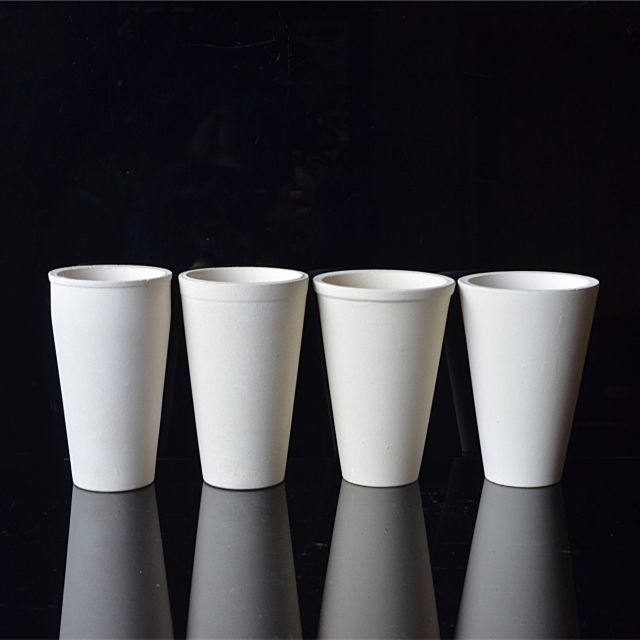
Exploring High-Quality Ceramic Materials That Can Withstand Extreme Temperatures
Time:
2024-02-21 10:20
Source:
When it comes to the construction and decoration industry, the quality of materials used plays a crucial role in ensuring the longevity and functionality of the final product. In the realm of ceramic brick materials, the ability to withstand extreme temperatures, such as 1300°C, is a key factor that professionals need to consider.
High-quality ceramic materials that can withstand such high temperatures are typically made from a combination of carefully selected raw materials, including clay, quartz, feldspar, and other additives. These materials are processed through a series of steps such as mixing, shaping, drying, and firing at high temperatures to create durable and heat-resistant ceramic products.
One of the key characteristics of high-quality ceramic materials is their ability to maintain their structural integrity and aesthetic appeal even when exposed to extreme temperatures. This is achieved through the careful selection of raw materials and meticulous manufacturing processes that ensure the final product is able to withstand thermal shock and other stresses.
In addition to their heat-resistant properties, high-quality ceramic materials are also known for their durability, low maintenance requirements, and environmentally friendly nature. These materials are often used in a wide range of applications within the construction and decoration industry, including as cladding materials, flooring tiles, and decorative elements.
Overall, the use of high-quality ceramic materials that can withstand extreme temperatures is essential for ensuring the longevity and functionality of architectural structures and decorative elements. By understanding the characteristics and properties of these materials, professionals in the industry can make informed decisions when selecting materials for their projects.
withstand 1300c higher temperature high quality fi
INQUIRY FOR PRICELIST
For inquiries about our products or pricelist, please leave your inquiry and we will be in touch within 24 hours.
MoreFollow Us
Contact Us
Ms.Fanny
Email: sintyron@xtlceramic.com
Complaints and Opinions : anna@xtlceramic.com
Telephone:0086-731-23253338
Address:ShenTan Industrial
Area,Hunan,China 412200