

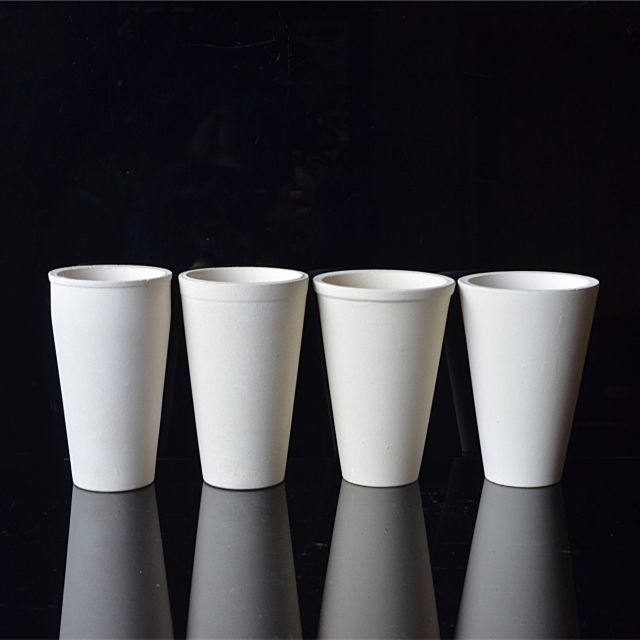
Lab Crucible for Gold Assaying in the Ceramic Industry: A Comprehensive Guide
Time:
2024-03-04 09:20
Source:
Lab crucibles are essential tools in the gold assaying process within the ceramic industry. These crucibles are specifically designed to withstand high temperatures and harsh chemical reactions, making them ideal for melting and analyzing gold samples. When selecting a lab crucible for gold assaying, it is important to consider factors such as material composition, size, and shape.
One of the most commonly used materials for lab crucibles in the ceramic industry is porcelain. Porcelain crucibles are known for their high resistance to heat and chemical corrosion, making them suitable for a wide range of applications. Other materials used for lab crucibles include alumina, zirconia, and silica, each offering unique properties that cater to specific needs in the gold assaying process.
The size and shape of the lab crucible also play a significant role in the gold assaying process. Smaller crucibles are ideal for melting small gold samples, while larger crucibles are suitable for handling larger quantities. Additionally, the shape of the crucible can impact the efficiency of the melting process, with tapered crucibles allowing for easier pouring of molten gold.
In conclusion, lab crucibles are essential tools in the gold assaying process within the ceramic industry. By understanding the importance of material composition, size, and shape, you can ensure the accurate and efficient analysis of gold samples. Whether you are a professional in the ceramic industry or simply interested in gold assaying, having a comprehensive knowledge of lab crucibles will undoubtedly enhance your understanding of the process.
lab crucible for gold assaying
INQUIRY FOR PRICELIST
For inquiries about our products or pricelist, please leave your inquiry and we will be in touch within 24 hours.
MoreFollow Us
Contact Us
Ms.Fanny
Email: sintyron@xtlceramic.com
Complaints and Opinions : anna@xtlceramic.com
Telephone:0086-731-23253338
Address:ShenTan Industrial
Area,Hunan,China 412200