

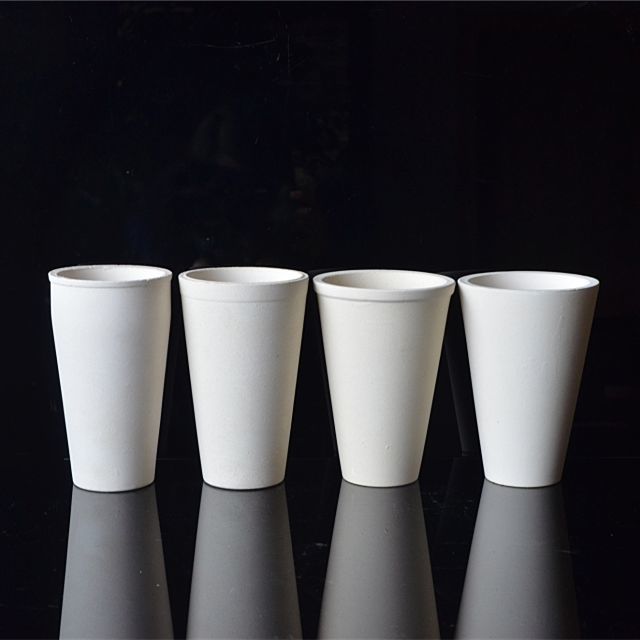
Key Factors to Consider When Selecting Ceramic Fire Clay for Fire Assay Crucibles
Time:
2024-03-07 09:40
Source:
---
**Introduction**
When it comes to selecting the perfect ceramic fire clay for fire assay crucibles, there are several key factors to consider. Whether you are a professional in the building and construction materials industry or a DIY enthusiast looking to tackle a new project, choosing the right fire clay can make all the difference in the success of your endeavor. In this comprehensive guide, we will explore the essential factors to keep in mind when selecting ceramic fire clay for fire assay crucibles.
---
**1. Thermal Stability**
One of the most critical factors to consider when choosing ceramic fire clay for fire assay crucibles is thermal stability. The fire clay must be able to withstand high temperatures without cracking or breaking. Look for a clay that has a high refractory temperature and excellent thermal shock resistance to ensure optimal performance in the crucible.
---
**2. Chemical Composition**
The chemical composition of the ceramic fire clay is another essential factor to consider. Different clays have varying levels of impurities and additives that can affect their performance in fire assay crucibles. Choose a clay with a high purity level and minimal impurities to ensure accurate and reliable results in your assays.
---
**3. Particle Size and Distribution**
The particle size and distribution of the ceramic fire clay can also impact its performance in fire assay crucibles. A clay with uniform particle size and distribution will provide better consistency in the crucible, leading to more accurate and repeatable results. Make sure to select a clay with the right particle size for your specific application.
---
**4. Plasticity and Workability**
Plasticity and workability are crucial factors to consider when selecting ceramic fire clay for fire assay crucibles. The clay should be easy to mold and shape while also maintaining its form during firing. Look for a clay with good plasticity and workability to ensure smooth and precise results in your crucible.
---
**5. Porosity and Density**
The porosity and density of the ceramic fire clay can impact its thermal conductivity and resistance to thermal shock. A clay with the right balance of porosity and density will provide optimal performance in fire assay crucibles, ensuring consistent results and durability over time. Choose a clay with the appropriate porosity and density for your specific application.
---
**6. Cost and Availability**
Consider the cost and availability of the ceramic fire clay when making your selection for fire assay crucibles. While quality should be the primary concern, it is essential to find a clay that fits within your budget and is readily available for your project. Compare prices and availability from different suppliers to find the best option for your needs.
---
**7. Supplier Reputation**
Lastly, consider the reputation of the supplier when selecting ceramic fire clay for fire assay crucibles. Choose a trusted and reliable supplier with a proven track record of providing high-quality materials for building and construction projects. A reputable supplier will ensure that you receive the best ceramic fire clay for your fire assay crucibles.
---
**FAQs**
**Q: What is fire assay?**
A: Fire assay is a method used in metallurgy to determine the purity of precious metals by melting and analyzing a sample in a crucible.
**Q: Why is thermal stability important in ceramic fire clay?**
A: Thermal stability is crucial in ceramic fire clay to ensure that the crucible can withstand high temperatures without cracking or breaking.
**Q: How does particle size affect ceramic fire clay performance?**
A: Particle size and distribution impact the consistency and accuracy of results in fire assay crucibles, making it essential to choose the right clay for your application.
**Q: Why is plasticity important in ceramic fire clay?**
A: Plasticity allows the clay to be easily molded and shaped, making it crucial for precise results in fire assay crucibles.
**Q: How can I determine the porosity and density of ceramic fire clay?**
A: Porosity and density can be measured using standard testing methods to ensure optimal performance in fire assay crucibles.
---
**Conclusion**
Selecting the right ceramic fire clay for fire assay crucibles is essential for ensuring optimal performance and durability in your projects. By considering factors such as thermal stability, chemical composition, particle size, plasticity, porosity, density, cost, availability, and supplier reputation, you can make an informed decision that will lead to successful results. Choose wisely and enjoy the benefits of using high-quality ceramic fire clay in your fire assay crucibles.
**Introduction**
When it comes to selecting the perfect ceramic fire clay for fire assay crucibles, there are several key factors to consider. Whether you are a professional in the building and construction materials industry or a DIY enthusiast looking to tackle a new project, choosing the right fire clay can make all the difference in the success of your endeavor. In this comprehensive guide, we will explore the essential factors to keep in mind when selecting ceramic fire clay for fire assay crucibles.
---
**1. Thermal Stability**
One of the most critical factors to consider when choosing ceramic fire clay for fire assay crucibles is thermal stability. The fire clay must be able to withstand high temperatures without cracking or breaking. Look for a clay that has a high refractory temperature and excellent thermal shock resistance to ensure optimal performance in the crucible.
---
**2. Chemical Composition**
The chemical composition of the ceramic fire clay is another essential factor to consider. Different clays have varying levels of impurities and additives that can affect their performance in fire assay crucibles. Choose a clay with a high purity level and minimal impurities to ensure accurate and reliable results in your assays.
---
**3. Particle Size and Distribution**
The particle size and distribution of the ceramic fire clay can also impact its performance in fire assay crucibles. A clay with uniform particle size and distribution will provide better consistency in the crucible, leading to more accurate and repeatable results. Make sure to select a clay with the right particle size for your specific application.
---
**4. Plasticity and Workability**
Plasticity and workability are crucial factors to consider when selecting ceramic fire clay for fire assay crucibles. The clay should be easy to mold and shape while also maintaining its form during firing. Look for a clay with good plasticity and workability to ensure smooth and precise results in your crucible.
---
**5. Porosity and Density**
The porosity and density of the ceramic fire clay can impact its thermal conductivity and resistance to thermal shock. A clay with the right balance of porosity and density will provide optimal performance in fire assay crucibles, ensuring consistent results and durability over time. Choose a clay with the appropriate porosity and density for your specific application.
---
**6. Cost and Availability**
Consider the cost and availability of the ceramic fire clay when making your selection for fire assay crucibles. While quality should be the primary concern, it is essential to find a clay that fits within your budget and is readily available for your project. Compare prices and availability from different suppliers to find the best option for your needs.
---
**7. Supplier Reputation**
Lastly, consider the reputation of the supplier when selecting ceramic fire clay for fire assay crucibles. Choose a trusted and reliable supplier with a proven track record of providing high-quality materials for building and construction projects. A reputable supplier will ensure that you receive the best ceramic fire clay for your fire assay crucibles.
---
**FAQs**
**Q: What is fire assay?**
A: Fire assay is a method used in metallurgy to determine the purity of precious metals by melting and analyzing a sample in a crucible.
**Q: Why is thermal stability important in ceramic fire clay?**
A: Thermal stability is crucial in ceramic fire clay to ensure that the crucible can withstand high temperatures without cracking or breaking.
**Q: How does particle size affect ceramic fire clay performance?**
A: Particle size and distribution impact the consistency and accuracy of results in fire assay crucibles, making it essential to choose the right clay for your application.
**Q: Why is plasticity important in ceramic fire clay?**
A: Plasticity allows the clay to be easily molded and shaped, making it crucial for precise results in fire assay crucibles.
**Q: How can I determine the porosity and density of ceramic fire clay?**
A: Porosity and density can be measured using standard testing methods to ensure optimal performance in fire assay crucibles.
---
**Conclusion**
Selecting the right ceramic fire clay for fire assay crucibles is essential for ensuring optimal performance and durability in your projects. By considering factors such as thermal stability, chemical composition, particle size, plasticity, porosity, density, cost, availability, and supplier reputation, you can make an informed decision that will lead to successful results. Choose wisely and enjoy the benefits of using high-quality ceramic fire clay in your fire assay crucibles.
ceramic fire clay fire assay crucible
INQUIRY FOR PRICELIST
For inquiries about our products or pricelist, please leave your inquiry and we will be in touch within 24 hours.
MoreFollow Us
Contact Us
Ms.Fanny
Email: sintyron@xtlceramic.com
Complaints and Opinions : anna@xtlceramic.com
Telephone:0086-731-23253338
Address:ShenTan Industrial
Area,Hunan,China 412200