

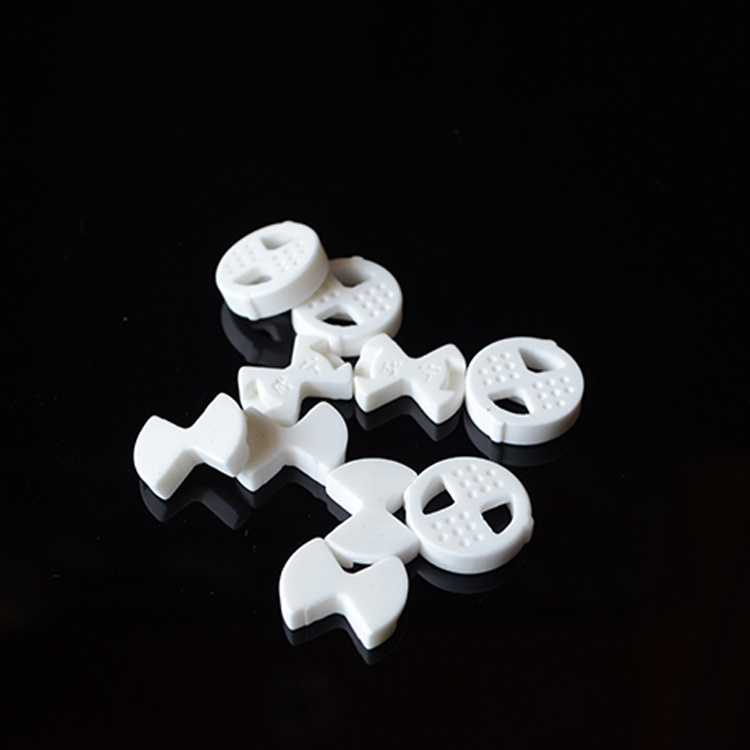
Revolutionizing the Ceramic Industry with Magnesite Cupels: A Game-Changer in Building Materials
Time:
2024-03-13 09:00
Source:
# Introduction
In the realm of building materials and decor, the ceramic industry plays a pivotal role in creating functional and aesthetically pleasing spaces. With advancements in technology and material science, the use of magnesite cupels has emerged as a game-changer in the production of ceramic goods. This article delves into the transformative impact of magnesite cupels on the ceramic industry and how they are revolutionizing the way we approach construction and design.
## Understanding Magnesite Cupels
Magnesite cupels are ceramic crucibles made from magnesium oxide, known for their high refractoriness, excellent thermal shock resistance, and chemical stability. These properties make them ideal for use in high-temperature applications such as kilns and furnaces, where traditional ceramic materials may fail to withstand extreme conditions.
### The Benefits of Magnesite Cupels
- Superior durability and longevity compared to traditional ceramic materials.
- Excellent thermal insulation properties, reducing energy consumption.
- Resistance to chemical corrosion and erosion, ensuring long-lasting performance.
- Sustainable and eco-friendly alternative to conventional building materials.
#### Applications in the Ceramic Industry
The versatility of magnesite cupels has led to their widespread adoption in the ceramic industry for various applications, including:
- Kiln furniture and refractory linings for ceramic production.
- Crucibles and molds for shaping and firing ceramic products.
- Insulation materials for industrial furnaces and kilns.
- Architectural elements such as tiles, bricks, and cladding for buildings.
##### Transforming Ceramic Production Processes
By incorporating magnesite cupels into their production processes, ceramic manufacturers can achieve:
- Improved efficiency and cost-effectiveness in kiln firing and shaping operations.
- Enhanced quality and consistency in the finished ceramic products.
- Greater design flexibility and customization options for architects and designers.
- Reduced environmental impact through sustainable manufacturing practices.
###### Future Prospects and Innovations
As the demand for sustainable and high-performance building materials continues to grow, the ceramic industry is poised to undergo a significant transformation with the widespread adoption of magnesite cupels. Innovations in material science and manufacturing processes are driving the development of new and improved magnesite-based products, offering exciting possibilities for the future of ceramic design and construction.
# FAQs
1. What are magnesite cupels made of?
Magnesite cupels are ceramic crucibles composed of magnesium oxide, known for their high refractoriness and thermal stability.
2. How are magnesite cupels used in the ceramic industry?
Magnesite cupels are used in kiln furniture, refractory linings, crucibles, molds, insulation materials, and architectural elements in the ceramic industry.
3. What are the advantages of using magnesite cupels?
Magnesite cupels offer superior durability, thermal insulation, chemical resistance, and sustainability compared to traditional ceramic materials.
4. How do magnesite cupels contribute to sustainable manufacturing practices?
Magnesite cupels reduce energy consumption, enhance product quality, and minimize environmental impact in ceramic production processes.
5. What are the future prospects for magnesite cupels in the ceramic industry?
The ongoing innovations in material science and manufacturing processes are driving the development of advanced magnesite-based products, shaping the future of ceramic design and construction.
# Conclusion
In conclusion, the utilization of magnesite cupels in the ceramic industry represents a significant leap forward in sustainable and high-performance building materials. By harnessing the unique properties of magnesium oxide, manufacturers can enhance the quality, efficiency, and environmental sustainability of their ceramic production processes. As the industry continues to evolve and innovate, magnesite cupels are poised to play a key role in shaping the future of ceramic design and construction, paving the way for a more resilient and eco-friendly built environment.
In the realm of building materials and decor, the ceramic industry plays a pivotal role in creating functional and aesthetically pleasing spaces. With advancements in technology and material science, the use of magnesite cupels has emerged as a game-changer in the production of ceramic goods. This article delves into the transformative impact of magnesite cupels on the ceramic industry and how they are revolutionizing the way we approach construction and design.
## Understanding Magnesite Cupels
Magnesite cupels are ceramic crucibles made from magnesium oxide, known for their high refractoriness, excellent thermal shock resistance, and chemical stability. These properties make them ideal for use in high-temperature applications such as kilns and furnaces, where traditional ceramic materials may fail to withstand extreme conditions.
### The Benefits of Magnesite Cupels
- Superior durability and longevity compared to traditional ceramic materials.
- Excellent thermal insulation properties, reducing energy consumption.
- Resistance to chemical corrosion and erosion, ensuring long-lasting performance.
- Sustainable and eco-friendly alternative to conventional building materials.
#### Applications in the Ceramic Industry
The versatility of magnesite cupels has led to their widespread adoption in the ceramic industry for various applications, including:
- Kiln furniture and refractory linings for ceramic production.
- Crucibles and molds for shaping and firing ceramic products.
- Insulation materials for industrial furnaces and kilns.
- Architectural elements such as tiles, bricks, and cladding for buildings.
##### Transforming Ceramic Production Processes
By incorporating magnesite cupels into their production processes, ceramic manufacturers can achieve:
- Improved efficiency and cost-effectiveness in kiln firing and shaping operations.
- Enhanced quality and consistency in the finished ceramic products.
- Greater design flexibility and customization options for architects and designers.
- Reduced environmental impact through sustainable manufacturing practices.
###### Future Prospects and Innovations
As the demand for sustainable and high-performance building materials continues to grow, the ceramic industry is poised to undergo a significant transformation with the widespread adoption of magnesite cupels. Innovations in material science and manufacturing processes are driving the development of new and improved magnesite-based products, offering exciting possibilities for the future of ceramic design and construction.
# FAQs
1. What are magnesite cupels made of?
Magnesite cupels are ceramic crucibles composed of magnesium oxide, known for their high refractoriness and thermal stability.
2. How are magnesite cupels used in the ceramic industry?
Magnesite cupels are used in kiln furniture, refractory linings, crucibles, molds, insulation materials, and architectural elements in the ceramic industry.
3. What are the advantages of using magnesite cupels?
Magnesite cupels offer superior durability, thermal insulation, chemical resistance, and sustainability compared to traditional ceramic materials.
4. How do magnesite cupels contribute to sustainable manufacturing practices?
Magnesite cupels reduce energy consumption, enhance product quality, and minimize environmental impact in ceramic production processes.
5. What are the future prospects for magnesite cupels in the ceramic industry?
The ongoing innovations in material science and manufacturing processes are driving the development of advanced magnesite-based products, shaping the future of ceramic design and construction.
# Conclusion
In conclusion, the utilization of magnesite cupels in the ceramic industry represents a significant leap forward in sustainable and high-performance building materials. By harnessing the unique properties of magnesium oxide, manufacturers can enhance the quality, efficiency, and environmental sustainability of their ceramic production processes. As the industry continues to evolve and innovate, magnesite cupels are poised to play a key role in shaping the future of ceramic design and construction, paving the way for a more resilient and eco-friendly built environment.
magnesite cupels
INQUIRY FOR PRICELIST
For inquiries about our products or pricelist, please leave to us and. we will be in touch within 24 hours.
MoreFollow Us
Contact Us
Ms.Fanny
Email: sintyron@xtlceramic.com
Complaints and Opinions : anna@xtlceramic.com
TEL:0086-731-23253338
Address:ShenTan Industrial
Area,Hunan,China 412200