

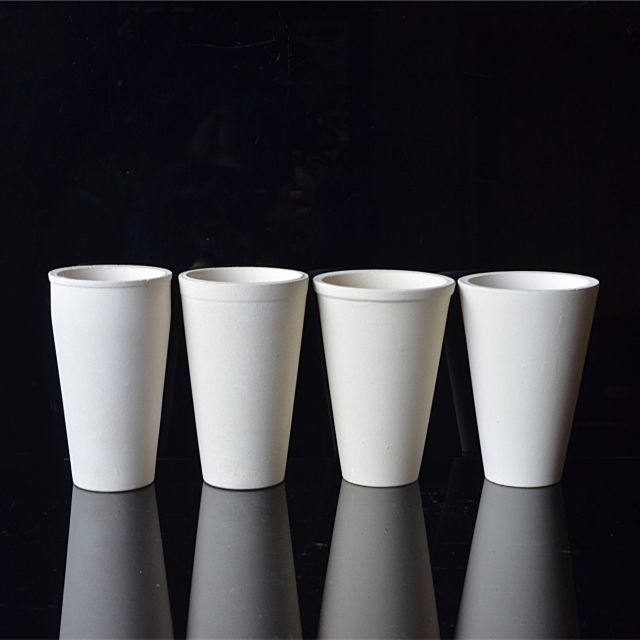
Essential Information on Fire Assay Crucible and Cupel Used in Cupellation for Ceramic Industry
Time:
2024-03-22 10:20
Source:
In the ceramic industry, fire assay crucibles and cupels play a crucial role in the cupellation process, which is used to determine the purity of precious metals in ceramic materials. The cupellation process involves heating the sample in a crucible to high temperatures in the presence of a cupel, allowing the impurities to be absorbed, while the pure metal is left behind for analysis.
Fire assay crucibles are made of special refractory materials that can withstand the high temperatures required for the cupellation process. They are designed to hold the sample securely while it is heated, ensuring accurate and reliable results. Cupels, on the other hand, are porous containers made of bone ash or other absorbent materials that absorb the impurities released during the cupellation process.
By using fire assay crucibles and cupels in the cupellation process, ceramic manufacturers can accurately determine the purity of precious metals in their materials. This information is essential for ensuring the quality and integrity of the final products, such as bricks and stones, as well as for complying with industry standards and regulations.
When choosing fire assay crucibles and cupels for the cupellation process, it is important to consider factors such as material composition, size, and durability. Selecting high-quality crucibles and cupels can help ensure accurate results and minimize the risk of contamination or error in the analysis.
Overall, fire assay crucibles and cupels are indispensable tools for the ceramic industry, providing valuable information on the purity of precious metals in ceramic materials. By understanding their role and importance in the cupellation process, ceramic professionals can make informed decisions to enhance the quality and reliability of their products.
fire assay crucible and cupel used in cupellation
INQUIRY FOR PRICELIST
For inquiries about our products or pricelist, please leave your inquiry and we will be in touch within 24 hours.
MoreFollow Us
Contact Us
Ms.Fanny
Email: sintyron@xtlceramic.com
Complaints and Opinions : anna@xtlceramic.com
Telephone:0086-731-23253338
Address:ShenTan Industrial
Area,Hunan,China 412200