

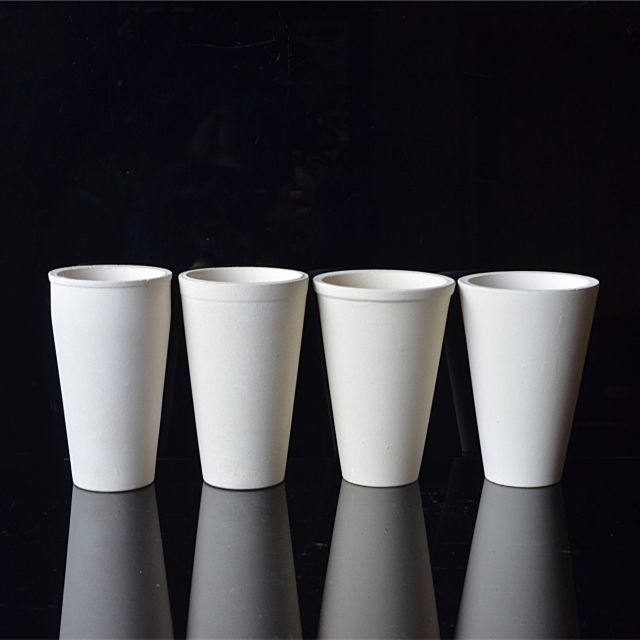
Essential Guide to Lab Crucibles for Gold Assaying in the Ceramic Industry
Time:
2024-03-28 09:20
Source:
Lab crucibles play a crucial role in the gold assaying process within the ceramic industry. These small, high-quality containers are designed to withstand high temperatures and harsh chemicals, making them essential for accurately analyzing the purity of gold samples. Here are some key points to consider when using lab crucibles for gold assaying in the ceramic industry:
1. Material: Lab crucibles are typically made from materials such as porcelain, alumina, or quartz. Each material has its own unique properties, such as resistance to high temperatures, thermal shock, and chemical corrosion. It is important to choose the right material based on the specific requirements of the gold assaying process.
2. Size and Shape: Lab crucibles come in various sizes and shapes to accommodate different sample sizes and testing methods. The size and shape of the crucible can affect the efficiency and accuracy of the assaying process, so it is important to select the appropriate crucible for the task at hand.
3. Heating and Cooling: Lab crucibles are designed to withstand rapid heating and cooling cycles without cracking or breaking. Proper heating and cooling techniques are essential for achieving accurate and reliable results in gold assaying. It is important to follow the recommended heating and cooling procedures to ensure the integrity of the crucible and the validity of the assay results.
In conclusion, lab crucibles are essential tools for gold assaying in the ceramic industry. By understanding the properties of crucibles, their role in the assaying process, and how to properly use them, professionals in the industry can ensure accurate and reliable results without compromising quality. Investing in high-quality lab crucibles is crucial for achieving precise gold assays and maintaining the integrity of the testing process.
lab crucible for gold assaying
INQUIRY FOR PRICELIST
For inquiries about our products or pricelist, please leave your inquiry and we will be in touch within 24 hours.
MoreFollow Us
Contact Us
Ms.Fanny
Email: sintyron@xtlceramic.com
Complaints and Opinions : anna@xtlceramic.com
Telephone:0086-731-23253338
Address:ShenTan Industrial
Area,Hunan,China 412200