

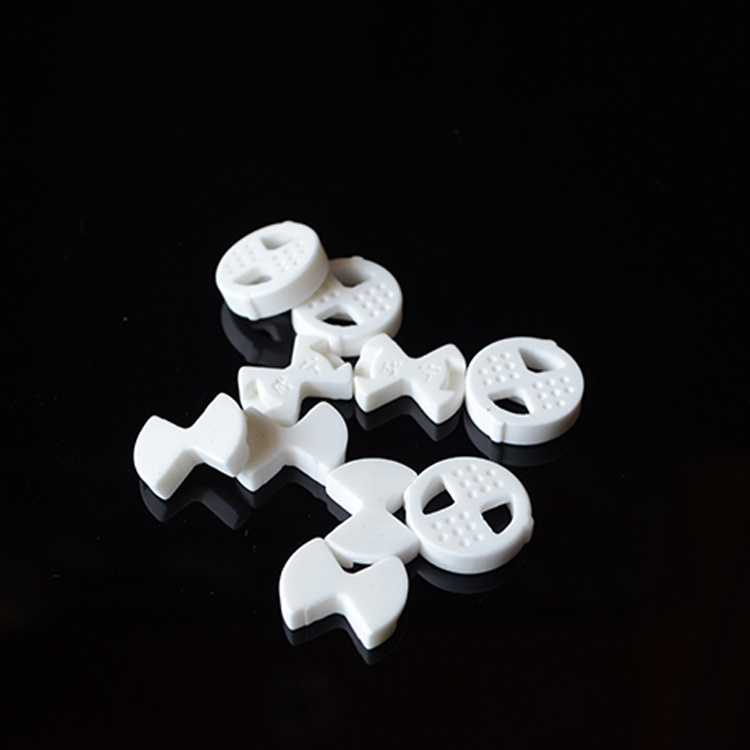
The Role of High Precision Ceramic Parts in Modern Architecture - An In-Depth Exploration
Time:
2024-07-28 18:35
Source:
The Role of High Precision Ceramic Parts in Modern Architecture
Table of Contents
1. Introduction to High Precision Ceramic Parts
2. Importance of Precision in Architecture
2.1 Defining High Precision in Construction
2.2 Historical Context: Evolution of Ceramics in Architecture
3. Properties of High Precision Ceramics
3.1 Mechanical Strength and Durability
3.2 Thermal Stability and Insulation
3.3 Aesthetic Versatility
4. Applications of High Precision Ceramic Parts in Architecture
4.1 Facade Design and Building Envelopes
4.2 Structural Elements and Load-Bearing Applications
4.3 Interior Design: Innovative Uses of Ceramics
5. Sustainability and Environmental Impact
5.1 Energy Efficiency in Architectural Design
5.2 Recycling and Reusability of Ceramic Materials
6. Future Trends in High Precision Ceramics
6.1 Technological Innovations
6.2 Emerging Market Trends
7. Challenges in Implementing High Precision Ceramics
7.1 Manufacturing and Cost Considerations
7.2 Design Limitations and Solutions
8. Conclusion: Embracing the Future of Architecture with Ceramics
9. FAQs
1. Introduction to High Precision Ceramic Parts
In the ever-evolving field of architecture, the choice of materials plays a pivotal role in shaping the aesthetic, functional, and sustainable aspects of buildings. **High precision ceramic parts** have emerged as a crucial component in modern architectural practices, offering unique advantages that have redefined design possibilities. These advanced materials, characterized by their exceptional accuracy and consistent quality, are revolutionizing how architects approach their projects.
2. Importance of Precision in Architecture
Precision in architecture is not merely a technical requirement; it represents a fundamental aspect of design integrity. High precision ceramic parts embody this principle, allowing architects to push boundaries while maintaining quality and performance.
2.1 Defining High Precision in Construction
High precision in construction refers to the ability to produce components that meet exact specifications, ensuring that every element fits perfectly within the overall design. This level of accuracy minimizes waste, reduces installation time, and enhances the structural integrity of buildings.
2.2 Historical Context: Evolution of Ceramics in Architecture
Ceramics have been used in architecture for centuries, from ancient pottery to today’s sophisticated tiles and structural components. The evolution of **high precision ceramics** has allowed for more intricate designs, enabling architects to incorporate ceramics into modern buildings in ways previously unattainable.
3. Properties of High Precision Ceramics
High precision ceramic parts offer a range of properties that make them ideal for architectural applications. Understanding these properties helps architects leverage ceramics to enhance their designs.
3.1 Mechanical Strength and Durability
One of the standout features of high precision ceramics is their impressive mechanical strength. These materials can withstand significant loads, making them suitable for structural applications. Additionally, their durability ensures that buildings retain their aesthetic appeal and functionality over time, even in harsh environments.
3.2 Thermal Stability and Insulation
Ceramics are known for their excellent thermal stability, which means they can endure extreme temperatures without deforming. This property is particularly beneficial in energy-efficient building designs, where maintaining consistent indoor temperatures is crucial. High precision ceramics can serve as effective insulators, contributing to the overall energy efficiency of a structure.
3.3 Aesthetic Versatility
High precision ceramics can be manufactured in various colors, textures, and finishes, allowing architects to explore creative possibilities. From sleek, modern facades to intricate tile patterns, ceramics can enhance a building's visual appeal while maintaining functionality.
4. Applications of High Precision Ceramic Parts in Architecture
The application of high precision ceramics in architecture spans various domains, from exterior facades to interior designs, showcasing their versatility.
4.1 Facade Design and Building Envelopes
Ceramics play a pivotal role in facade design, providing not only aesthetic value but also functional benefits. High precision ceramic panels can improve a building's thermal performance, reduce maintenance costs, and enhance resistance to environmental factors.
4.2 Structural Elements and Load-Bearing Applications
In addition to aesthetic applications, high precision ceramics can be used in structural components, such as beams and columns. Their mechanical properties allow them to support significant loads, making them suitable for various architectural designs.
4.3 Interior Design: Innovative Uses of Ceramics
High precision ceramics are increasingly being used in interior design. From flooring tiles to decorative elements, these materials allow designers to create unique and stylish spaces. Their durability and ease of maintenance make them an excellent choice for both residential and commercial interiors.
5. Sustainability and Environmental Impact
As the architecture industry continues to prioritize sustainability, high precision ceramics are emerging as a responsible choice for eco-conscious designs.
5.1 Energy Efficiency in Architectural Design
The thermal insulation properties of high precision ceramics contribute significantly to energy-efficient designs. By minimizing heat loss, these materials help reduce energy consumption, leading to lower operational costs and a smaller carbon footprint.
5.2 Recycling and Reusability of Ceramic Materials
Ceramics can be recycled and reused, contributing to sustainable building practices. Architects are increasingly recognizing the importance of selecting materials that can be repurposed, enhancing the lifecycle of structures and reducing waste.
6. Future Trends in High Precision Ceramics
The future of high precision ceramics in architecture is bright, with ongoing research and development paving the way for new innovations.
6.1 Technological Innovations
Advancements in production technologies, such as 3D printing and computer-aided design, are enabling the creation of more complex and customized ceramic components. These innovations facilitate the integration of ceramics into modern architectural designs, offering unprecedented design flexibility.
6.2 Emerging Market Trends
As the demand for sustainable building materials rises, high precision ceramics are becoming increasingly popular. Architects and builders are recognizing the benefits of these materials, driving their adoption in various construction projects.
7. Challenges in Implementing High Precision Ceramics
While high precision ceramics present numerous advantages, certain challenges must be addressed to ensure their successful implementation in architectural projects.
7.1 Manufacturing and Cost Considerations
The manufacturing process for high precision ceramics can be complex and costly. Architects must consider these factors when incorporating ceramics into their designs, balancing aesthetics with budgetary constraints.
7.2 Design Limitations and Solutions
Despite their versatility, high precision ceramics do have design limitations. Architects often need to work closely with manufacturers to overcome these challenges and develop solutions that meet both functional and aesthetic requirements.
8. Conclusion: Embracing the Future of Architecture with Ceramics
High precision ceramic parts are undeniably shaping the future of modern architecture. Their unique properties, versatile applications, and sustainability benefits make them an essential material for contemporary designs. As we continue to explore innovative ways to integrate ceramics into architectural practices, we are not only enhancing our built environment but also paving the way for a sustainable future.
9. FAQs
What are high precision ceramic parts?
High precision ceramic parts are components made from advanced ceramic materials that are manufactured to meet exact specifications, ensuring consistent quality and accuracy for various applications in architecture and construction.
Why are ceramics preferred in modern architecture?
Ceramics offer unique advantages such as mechanical strength, thermal stability, aesthetic versatility, and sustainability, making them an ideal choice for both structural and decorative applications in modern architecture.
Can high precision ceramics be recycled?
Yes, high precision ceramics can be recycled and reused, contributing to sustainable building practices and reducing waste in architectural projects.
How do high precision ceramics contribute to energy efficiency?
The excellent thermal insulation properties of high precision ceramics help minimize heat loss in buildings, leading to reduced energy consumption and lower operational costs.
What challenges do architects face when using high precision ceramics?
Architects may encounter challenges related to manufacturing complexities, cost considerations, and design limitations when implementing high precision ceramics in their projects. Collaboration with manufacturers can help address these issues effectively.
High Precision Ceramic Parts
INQUIRY FOR PRICELIST
For inquiries about our products or pricelist, please leave to us and. we will be in touch within 24 hours.
MoreFollow Us
Contact Us
Ms.Fanny
Email: sintyron@xtlceramic.com
Complaints and Opinions : anna@xtlceramic.com
TEL:0086-731-23253338
Address:ShenTan Industrial
Area,Hunan,China 412200