

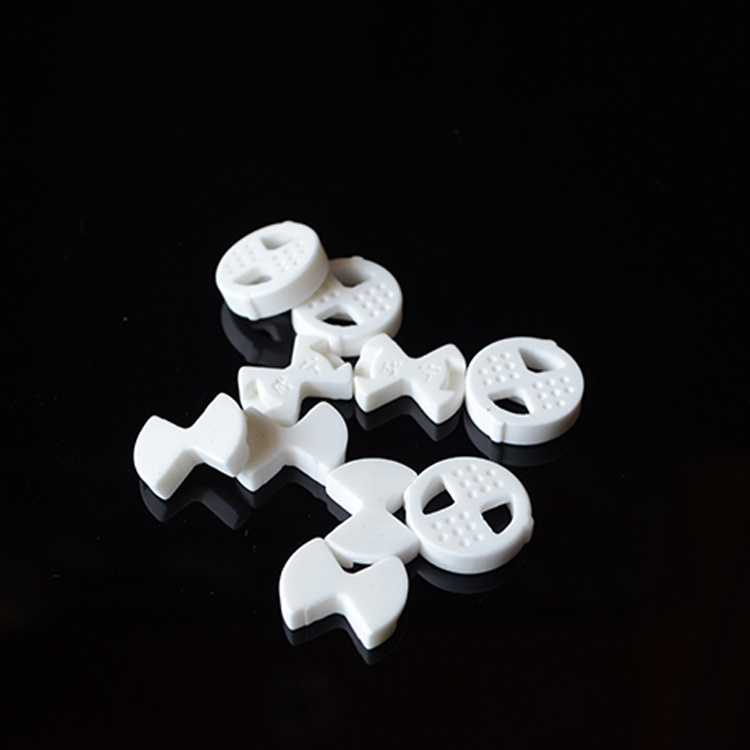
Why High Precision Ceramic Parts are Essential for Quality Construction
Time:
2024-08-03 09:40
Source:
Why High Precision Ceramic Parts are Essential for Quality Construction
Table of Contents
- 1. Introduction to High Precision Ceramic Parts
- 2. Importance of High Precision in Construction
- 3. Key Properties of Ceramic Materials
- 4. Applications of High Precision Ceramic Parts in Construction
- 5. Advanced Manufacturing Techniques for Ceramics
- 6. Benefits of Using High Precision Ceramic Parts
- 7. Challenges in Working with High Precision Ceramics
- 8. The Future of High Precision Ceramics in Construction
- 9. Frequently Asked Questions
- 10. Conclusion
1. Introduction to High Precision Ceramic Parts
In the realm of construction, the materials used can profoundly influence the quality, durability, and overall performance of a structure. Among these materials, **high precision ceramic parts** have emerged as a cornerstone in modern applications. These parts are engineered to exact specifications, ensuring they meet the stringent demands of contemporary building standards. Their unique properties not only enhance the structural integrity but also contribute significantly to aesthetics and functionality.
2. Importance of High Precision in Construction
Precision in construction is non-negotiable. High precision ceramic parts play a crucial role in various applications, from decorative elements to structural components. This emphasis on precision ensures minimal waste, reduced costs, and ultimately, a superior final product. In an industry where every millimeter counts, high precision ceramics help maintain the necessary tolerances that modern construction demands.
3. Key Properties of Ceramic Materials
Ceramics, by their nature, possess several advantageous properties that make them ideal for construction applications. These include:
3.1 Strength and Durability
High precision ceramic parts are known for their exceptional strength and resistance to wear and tear. They are less susceptible to deformation under stress, making them ideal for load-bearing applications.
3.2 Thermal Stability
Ceramic materials can withstand extreme temperatures without losing their structural integrity. This property is critical in applications that involve heat exposure, such as fireplaces or industrial ovens.
3.3 Corrosion Resistance
Unlike metals, ceramics are non-reactive to various chemicals, which makes them resistant to corrosion and degradation over time. This feature is vital for ensuring long-term durability in harsh environments.
3.4 Aesthetic Versatility
Ceramics can be manufactured in various colors, shapes, and finishes, allowing for creative freedom in architectural design. This aesthetic quality enhances the visual appeal of any construction project.
4. Applications of High Precision Ceramic Parts in Construction
The versatility of high precision ceramic parts allows them to be utilized in numerous construction applications, including:
4.1 Structural Components
Ceramics are increasingly used for structural supports and reinforcements due to their strength and durability. They can replace traditional materials in certain applications, providing a lightweight yet robust solution.
4.2 Decorative Elements
Ceramic tiles and other decorative components are essential for achieving aesthetic goals in modern construction. Their variety of designs and finishes can enhance both interior and exterior spaces.
4.3 Insulation Materials
High precision ceramics are excellent insulators, helping to improve energy efficiency in buildings. Their thermal properties minimize heat transfer, contributing to sustainable construction practices.
4.4 Advanced Construction Technologies
Incorporating high precision ceramics in 3D printing technologies has revolutionized construction methods, allowing for innovative designs and faster building processes.
5. Advanced Manufacturing Techniques for Ceramics
The production of high precision ceramic parts involves sophisticated manufacturing techniques that ensure quality and consistency. Key methods include:
5.1 Pressing and Molding
These techniques allow for the creation of complex shapes and precise dimensions essential for high-quality construction components.
5.2 Sintering
Sintering is a critical step in ceramics manufacturing, where the material is heated to near its melting point to enhance density and strength, resulting in high-performance parts.
5.3 Additive Manufacturing
3D printing technology in ceramics is gaining momentum, allowing for the custom fabrication of intricate designs that were previously impossible to achieve.
6. Benefits of Using High Precision Ceramic Parts
Incorporating high precision ceramic parts into construction projects offers a plethora of benefits:
6.1 Cost-Efficiency
While the initial investment may be higher, the durability and low maintenance costs associated with ceramics result in long-term savings.
6.2 Enhanced Performance
Ceramics excel in demanding environments, providing performance that outlasts traditional materials.
6.3 Sustainability
The longevity and energy efficiency of ceramic materials contribute to sustainable building practices, minimizing the environmental impact of construction projects.
7. Challenges in Working with High Precision Ceramics
Despite their advantages, working with high precision ceramics can present certain challenges:
7.1 Fragility
While ceramics are strong under compression, they can be brittle and prone to cracking under impact, necessitating careful handling and installation.
7.2 Initial Costs
The advanced manufacturing processes and raw materials can lead to a higher upfront cost compared to traditional construction materials.
8. The Future of High Precision Ceramics in Construction
As technology advances, the future of high precision ceramics in construction looks promising. Innovations in manufacturing processes, such as enhanced 3D printing methods and nanotechnology, are set to improve the performance and functionality of ceramic parts. This evolution will likely lead to broader applications, including smart ceramics that can respond to environmental changes.
9. Frequently Asked Questions
9.1 What are high precision ceramic parts?
High precision ceramic parts are engineered components made from ceramic materials, designed to meet specific tolerances and performance standards in construction and other industries.
9.2 Why are ceramics preferred in construction?
Ceramics offer high durability, thermal stability, corrosion resistance, and aesthetic versatility, making them ideal for various construction applications.
9.3 How are high precision ceramic parts manufactured?
They are typically produced through methods such as pressing, molding, sintering, and advanced techniques like additive manufacturing.
9.4 What are the challenges of using ceramics in construction?
Challenges include their brittleness, higher initial costs, and the need for careful handling during installation.
9.5 What is the future of ceramics in construction?
The future looks bright with advancements in technology leading to improved manufacturing processes and the potential for new applications, including smart ceramic materials.
10. Conclusion
High precision ceramic parts are indispensable in the modern construction landscape. Their unique properties, combined with advanced manufacturing techniques, make them a go-to choice for achieving quality, durability, and aesthetic appeal in buildings. As the industry continues to evolve, embracing these materials will not only enhance construction practices but also contribute to sustainable development goals. By understanding and leveraging the benefits of high precision ceramics, builders can ensure that their projects meet the highest standards of excellence.
High Precision Ceramic Parts
INQUIRY FOR PRICELIST
For inquiries about our products or pricelist, please leave to us and. we will be in touch within 24 hours.
MoreFollow Us
Contact Us
Ms.Fanny
Email: sintyron@xtlceramic.com
Complaints and Opinions : anna@xtlceramic.com
TEL:0086-731-23253338
Address:ShenTan Industrial
Area,Hunan,China 412200