

The Future of Construction: High Precision Ceramic Parts for Modern Architecture
Time:
2024-08-06 09:21
Source:
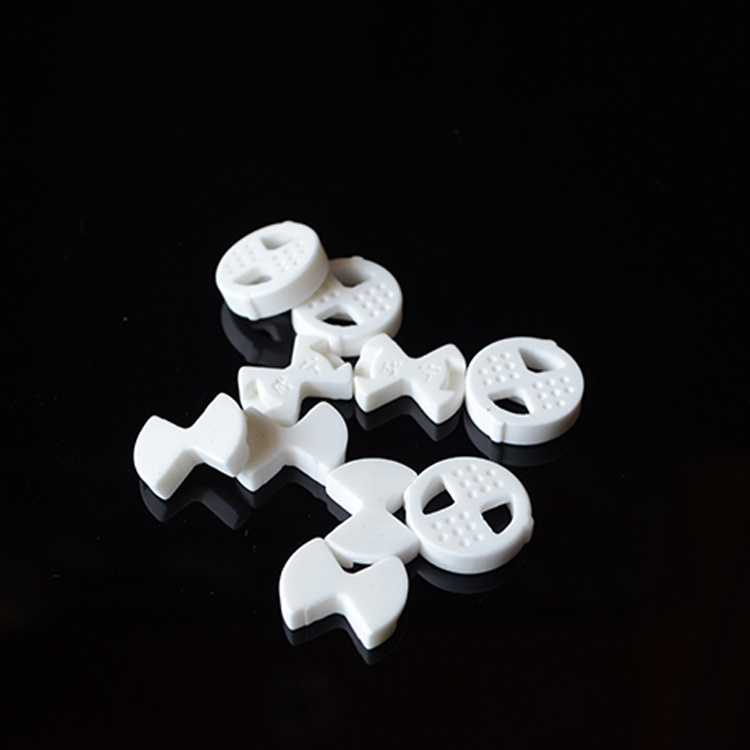
In the evolving landscape of construction and decorative materials, high precision ceramic parts are emerging as a fundamental component in enhancing both functionality and design. These parts, engineered for precision and durability, are becoming increasingly significant in various applications, particularly in the realm of brick and stone materials.
High precision ceramics are characterized by their unrivaled strength, wear resistance, and ability to withstand extreme temperatures. These properties make them ideal for applications in construction, where structural integrity and longevity are paramount. For instance, when used in flooring, wall tiles, or facades, high precision ceramic parts can provide a robust solution that not only meets aesthetic demands but also offers exceptional durability. Their resistance to wear and tear ensures that installations maintain their visual appeal over time, reducing the need for frequent replacements or repairs.
Moreover, the manufacturing process of high precision ceramic parts allows for intricate designs and patterns, enabling architects and designers to create unique and visually striking structures. The ability to produce these intricate designs with consistent quality and precision opens new avenues for creativity in architecture. High precision ceramics can be tailored to meet specific requirements, providing a versatile solution that can adapt to various design philosophies.
Another significant advantage of high precision ceramic parts is their low maintenance nature. Unlike traditional materials that may require regular upkeep, ceramic parts are generally easy to clean and resistant to staining. This characteristic is particularly beneficial in commercial and high-traffic areas where cleanliness and appearance are a priority.
Furthermore, high precision ceramics contribute to sustainability in construction. Their long lifespan and resistance to degradation mean that they can significantly reduce waste associated with replacements and repairs. Many modern manufacturing processes also emphasize eco-friendliness, ensuring that the production of these ceramic parts has a minimal environmental impact.
In terms of market trends, the demand for high precision ceramic parts is on the rise, driven by a growing awareness of their benefits among builders and architects. As the construction industry increasingly prioritizes efficiency, sustainability, and innovative design, high precision ceramics are poised to play a crucial role in shaping the future of building materials.
In conclusion, high precision ceramic parts represent a transformative shift in the construction and decorative materials industry. Their remarkable properties, coupled with their aesthetic versatility, make them an invaluable asset for modern architecture. As we move towards a future that values both functionality and design, the integration of high precision ceramics into building practices will undoubtedly set a new standard in the industry.
High precision ceramics are characterized by their unrivaled strength, wear resistance, and ability to withstand extreme temperatures. These properties make them ideal for applications in construction, where structural integrity and longevity are paramount. For instance, when used in flooring, wall tiles, or facades, high precision ceramic parts can provide a robust solution that not only meets aesthetic demands but also offers exceptional durability. Their resistance to wear and tear ensures that installations maintain their visual appeal over time, reducing the need for frequent replacements or repairs.
Moreover, the manufacturing process of high precision ceramic parts allows for intricate designs and patterns, enabling architects and designers to create unique and visually striking structures. The ability to produce these intricate designs with consistent quality and precision opens new avenues for creativity in architecture. High precision ceramics can be tailored to meet specific requirements, providing a versatile solution that can adapt to various design philosophies.
Another significant advantage of high precision ceramic parts is their low maintenance nature. Unlike traditional materials that may require regular upkeep, ceramic parts are generally easy to clean and resistant to staining. This characteristic is particularly beneficial in commercial and high-traffic areas where cleanliness and appearance are a priority.
Furthermore, high precision ceramics contribute to sustainability in construction. Their long lifespan and resistance to degradation mean that they can significantly reduce waste associated with replacements and repairs. Many modern manufacturing processes also emphasize eco-friendliness, ensuring that the production of these ceramic parts has a minimal environmental impact.
In terms of market trends, the demand for high precision ceramic parts is on the rise, driven by a growing awareness of their benefits among builders and architects. As the construction industry increasingly prioritizes efficiency, sustainability, and innovative design, high precision ceramics are poised to play a crucial role in shaping the future of building materials.
In conclusion, high precision ceramic parts represent a transformative shift in the construction and decorative materials industry. Their remarkable properties, coupled with their aesthetic versatility, make them an invaluable asset for modern architecture. As we move towards a future that values both functionality and design, the integration of high precision ceramics into building practices will undoubtedly set a new standard in the industry.
High Precision Ceramic Parts
INQUIRY FOR PRICELIST
For inquiries about our products or pricelist, please leave to us and. we will be in touch within 24 hours.
MoreFollow Us
Contact Us
Ms.Fanny
Email: sintyron@xtlceramic.com
Complaints and Opinions : anna@xtlceramic.com
TEL:0086-731-23253338
Address:ShenTan Industrial
Area,Hunan,China 412200