

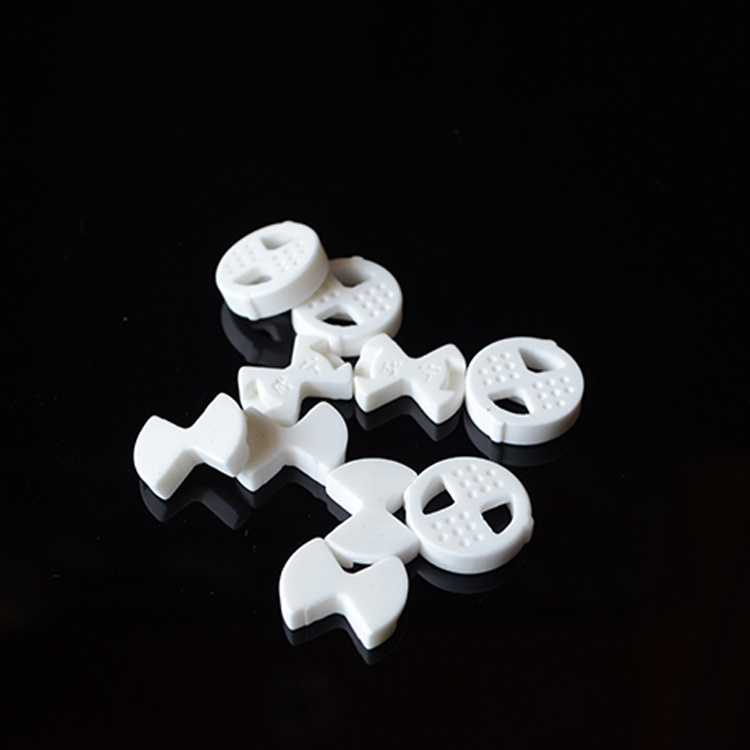
Transforming Spaces: The Revolutionary Use of AlN in Building and Design
Time:
2024-08-21 11:00
Source:
Transforming Spaces: The Revolutionary Use of AlN in Building and Design
Introduction to Aluminum Nitride (AlN)
Aluminum Nitride (AlN) is a remarkable material that is gaining traction in the building and design sector. This compound, composed of aluminum and nitrogen, offers a plethora of benefits that make it ideal for modern architectural applications. From its superb thermal conductivity to its impressive mechanical strength, AlN is transforming how we approach construction and interior design. In this article, we will delve into its properties, uses, advantages, and future potential in the industry.
The Unique Properties of AlN
Thermal Conductivity
One of the standout features of AlN is its **high thermal conductivity**, which surpasses that of many traditional materials. This characteristic makes it an excellent candidate for heat management in various applications, particularly in electronic devices and thermal interface materials. In buildings, this property can help regulate indoor temperatures, leading to **energy efficiency** and **cost savings**.
Mechanical Strength and Durability
AlN is not just thermally conductive; it also boasts impressive mechanical strength. Its durability makes it suitable for use in demanding environments, ensuring that architectural structures can withstand various stresses over time. This strength translates into lower maintenance costs and increased longevity for building materials.
Corrosion Resistance
In the realm of construction, **corrosion resistance** is critical. AlN can withstand harsh conditions, including exposure to chemicals and moisture, without degrading. This property is particularly beneficial for outdoor applications, ensuring that structures remain intact and aesthetically pleasing for years to come.
Electrical Insulation Properties
Another notable aspect of AlN is its excellent electrical insulation properties. This feature is particularly advantageous in modern buildings, where electrical systems are complex and integrated. Using AlN in construction can enhance safety and efficiency, reducing the risk of electrical failures.
Applications of AlN in Building and Design
1. Heating, Ventilation, and Air Conditioning (HVAC) Systems
AlN’s thermal properties make it an ideal material for HVAC systems. Its ability to effectively conduct heat allows for better energy management in buildings. Incorporating AlN into HVAC systems can improve air conditioning efficiency, leading to a more comfortable indoor environment.
2. Structural Components
AlN is increasingly being used in **structural components** due to its strength and durability. Whether in high-rise buildings or residential homes, the incorporation of AlN can lead to more robust structures that are capable of withstanding various environmental factors.
3. Decorative Materials
Beyond structural applications, AlN is finding its way into decorative materials. Its unique appearance and versatility allow for innovative design solutions in tiles, countertops, and other surfaces. Designers are leveraging AlN to create stunning visual effects while benefiting from its practical properties.
4. Advanced Lighting Solutions
AlN is also making waves in lighting technology. Its excellent thermal management capabilities contribute to the longevity and efficiency of LED lighting systems. As a result, buildings that utilize AlN in their lighting solutions can achieve significant energy savings.
Advantages of Using AlN in Modern Construction
1. Energy Efficiency
By integrating AlN into building materials and systems, we can significantly enhance energy efficiency. Its thermal conductivity allows for better temperature regulation, reducing the need for excessive heating or cooling. This not only lowers energy costs but also minimizes the environmental impact of buildings.
2. Sustainability
AlN is an environmentally friendly option for construction. Its longevity and durability reduce the frequency of material replacement, leading to less waste. Furthermore, its energy-efficient properties contribute to sustainable building practices, aligning with global initiatives for greener construction.
3. Cost-Effectiveness
While the initial investment in AlN materials may be higher than traditional options, the long-term savings are undeniable. Reduced energy costs, lower maintenance needs, and extended product life contribute to a favorable return on investment for builders and property owners alike.
4. Design Flexibility
The versatility of AlN opens up new avenues for innovative design. Architects and designers can push the boundaries of creativity, knowing that AlN can be utilized in various forms without compromising structural integrity or aesthetics.
Future Potential of AlN in Architecture and Design
As the construction industry continues to evolve, the demand for advanced materials like AlN is expected to rise. The push for sustainable building practices and energy-efficient designs has placed AlN at the forefront of modern construction. Future innovations may lead to even more applications, making it a cornerstone of architectural advancements.
Research and Development
Ongoing research into the properties and applications of AlN promises to unlock new possibilities. From enhancing its performance to discovering novel uses, the future of AlN in building and design is bright. Collaboration between material scientists, architects, and environmentalists will be key in driving this innovation.
FAQs about AlN in Building and Design
1. What is Aluminum Nitride (AlN)?
Aluminum Nitride (AlN) is a compound made of aluminum and nitrogen, known for its excellent thermal conductivity, mechanical strength, and electrical insulation properties.
2. How does AlN contribute to energy efficiency in buildings?
AlN’s thermal conductivity allows for better heat management, reducing the need for excessive heating and cooling, thereby lowering energy costs.
3. Is AlN environmentally friendly?
Yes, AlN is considered environmentally friendly due to its durability, which reduces material waste, and its energy-efficient properties that contribute to sustainable building practices.
4. What are some common applications of AlN in construction?
AlN is used in HVAC systems, structural components, decorative materials, and advanced lighting solutions.
5. Can AlN be used in residential buildings?
Absolutely! AlN is suitable for residential applications, providing benefits such as energy efficiency, durability, and aesthetic appeal.
Conclusion
The integration of Aluminum Nitride (AlN) in building and design is a game-changer for the construction industry. Its unique properties, applications, and advantages make it an essential material for modern architecture. As we embrace sustainability and energy efficiency, AlN stands out as a forward-thinking choice that not only transforms spaces but also aligns with the goals of contemporary design. The future of AlN in construction is promising, and we are excited to witness its continued evolution in creating innovative and sustainable environments.
round 170W/m.k aln aluminium nitride ceramic subst
INQUIRY FOR PRICELIST
For inquiries about our products or pricelist, please leave to us and. we will be in touch within 24 hours.
MoreFollow Us
Contact Us
Ms.Fanny
Email: sintyron@xtlceramic.com
Complaints and Opinions : anna@xtlceramic.com
TEL:0086-731-23253338
Address:ShenTan Industrial
Area,Hunan,China 412200