

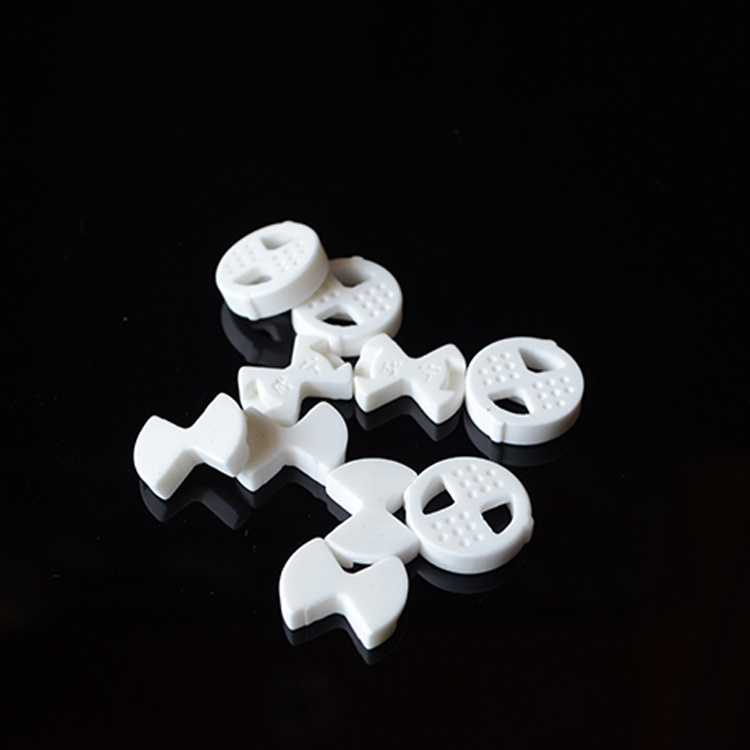
How Round 170W/m.k Aluminium Nitride Is Revolutionizing the Ceramic Industry
Time:
2024-08-27 09:41
Source:
How Round 170W/m.k Aluminium Nitride Is Revolutionizing the Ceramic Industry
Table of Contents
- Introduction to Aluminium Nitride in Ceramics
- Key Properties of Round 170W/m.k Aluminium Nitride
- Applications of Aluminium Nitride in Ceramics
- Advantages of Using Aluminium Nitride in Ceramics
- Manufacturing Processes of Aluminium Nitride Ceramics
- Comparative Analysis: Aluminium Nitride vs. Traditional Ceramic Materials
- The Future of Aluminium Nitride in the Ceramic Industry
- Frequently Asked Questions
- Conclusion
Introduction to Aluminium Nitride in Ceramics
Aluminium Nitride (AlN) is emerging as a game-changer in the ceramics industry, particularly with its remarkable thermal conductivity of **170W/m.k**. This property significantly enhances performance in various applications, from electronics to construction materials. In this article, we delve into how Round 170W/m.k Aluminium Nitride is reshaping the landscape of ceramics.
Key Properties of Round 170W/m.k Aluminium Nitride
Aluminium Nitride boasts several essential properties that make it ideal for ceramic applications:
High Thermal Conductivity
One of the standout features of Round 170W/m.k Aluminium Nitride is its superior thermal conductivity. Unlike traditional ceramics, which often trap heat, this material allows for quick heat dissipation. This feature is invaluable in applications that generate significant amounts of heat, such as electronics.
Electrical Insulation
Aluminium Nitride is an excellent electrical insulator, allowing it to be used in various electronic and electrical applications. This characteristic makes it advantageous for circuit boards and semiconductor packages.
Mechanical Strength
The mechanical strength of Aluminium Nitride ceramics is impressive, allowing them to withstand harsh conditions without compromising integrity. This durability makes them suitable for a variety of demanding applications across industries.
Chemical Stability
Resistance to chemical erosion is another noteworthy property. Round Aluminium Nitride remains stable in various environments, making it a suitable choice for applications in corrosive settings.
Applications of Aluminium Nitride in Ceramics
The versatility of Aluminium Nitride lends itself to numerous applications, showcasing its range and adaptability:
Electronics and Semiconductors
In the realm of electronics, Round 170W/m.k Aluminium Nitride is frequently used in substrates for high-power electronic components and LED lighting. Its thermal management capabilities ensure prolonged device life and optimized performance.
Automotive Industry
The automotive sector is increasingly adopting Aluminium Nitride ceramics for components that require high thermal conductivity and mechanical strength. Applications include heat sinks and electronic control units that require efficient thermal dissipation.
Construction Materials
In construction, the use of Aluminium Nitride ceramics enhances materials such as tiles and bricks. This innovation results in products that are not only aesthetically pleasing but also more durable and resilient to environmental stressors.
Medical Devices
With its biocompatibility and chemical stability, Aluminium Nitride is finding applications in the medical field, particularly in devices requiring precise thermal management.
Advantages of Using Aluminium Nitride in Ceramics
The advantages of incorporating Round 170W/m.k Aluminium Nitride into ceramic production are substantial:
Enhanced Performance
The high thermal conductivity translates to superior performance in thermal management applications, leading to increased efficiency and reliability in electronic devices.
Longer Lifespan
The durability and chemical stability of Aluminium Nitride ceramics lead to a longer lifespan for the products, minimizing the need for replacements and repairs.
Design Flexibility
Manufacturers can explore various designs and forms with Aluminium Nitride, allowing them to create innovative solutions catering to niche markets.
Cost-Effectiveness
Although the initial investment may be higher, the long-term benefits of reduced failure rates and maintenance costs make Aluminium Nitride ceramics a cost-effective solution.
Manufacturing Processes of Aluminium Nitride Ceramics
The manufacturing of Round 170W/m.k Aluminium Nitride ceramics involves several key processes:
Sintering Techniques
Sintering under controlled conditions is essential for achieving the desired density and mechanical properties. Advanced sintering techniques, such as hot pressing and pressureless sintering, are utilized.
Powder Processing
The choice of powder and its processing significantly impact the characteristics of the final product. High-purity Aluminium Nitride powders are commonly used to ensure optimal performance.
Shaping Methods
Various shaping methods, including pressing and extrusion, are employed to create specific forms of Aluminium Nitride ceramics tailored to different applications.
Comparative Analysis: Aluminium Nitride vs. Traditional Ceramic Materials
When comparing Round 170W/m.k Aluminium Nitride to traditional ceramic materials, several factors come into play:
Thermal Conductivity
Traditional ceramics generally have lower thermal conductivity, which limits their performance in high-heat applications. In contrast, Aluminium Nitride's superior thermal properties stand out.
Mechanical Properties
While some traditional ceramics offer good strength, they often lack the resilience of Aluminium Nitride under extreme conditions. The latter provides a more robust solution across various applications.
Cost and Availability
Although traditional ceramics might have lower upfront costs, the long-term savings gained from using Aluminium Nitride in demanding applications can outweigh initial investments.
The Future of Aluminium Nitride in the Ceramic Industry
The future of Round 170W/m.k Aluminium Nitride in ceramics is promising. As the demand for advanced materials grows, particularly in electronics and construction, its adoption is likely to accelerate. Innovations in manufacturing techniques and material science will further enhance its capabilities, making it an indispensable part of modern ceramics.
Frequently Asked Questions
1. What is Aluminium Nitride, and why is it important in ceramics?
Aluminium Nitride is a ceramic material known for its high thermal conductivity and electrical insulation properties, making it essential for applications in electronics, automotive, and construction.
2. How does the thermal conductivity of Aluminium Nitride compare with other materials?
Aluminium Nitride has a thermal conductivity of 170W/m.k, significantly higher than that of traditional ceramics, making it more effective for heat dissipation.
3. What industries benefit the most from Aluminium Nitride ceramics?
Industries such as electronics, automotive, medical devices, and construction are major beneficiaries due to the material's unique properties.
4. Is Aluminium Nitride environmentally friendly?
Aluminium Nitride is generally considered environmentally friendly, particularly when compared to traditional materials that may release harmful substances during production.
5. What are the manufacturing challenges associated with Aluminium Nitride ceramics?
Challenges include controlling the purity of powders, achieving desired densities through sintering, and managing the costs of high-purity raw materials.
Conclusion
Round 170W/m.k Aluminium Nitride is undoubtedly changing the game in the ceramics industry. With its unique combination of high thermal conductivity, mechanical strength, and chemical stability, this material is setting new standards across various applications. As the industry continues to evolve, the impact of Aluminium Nitride will be felt across multiple sectors, paving the way for innovative products and enhanced performance. Embracing this technology will not only improve the quality of ceramic materials but also contribute to a more sustainable future in construction and decorative materials.
round 170W/m.k aln aluminium nitride ceramic subst
INQUIRY FOR PRICELIST
For inquiries about our products or pricelist, please leave to us and. we will be in touch within 24 hours.
MoreFollow Us
Contact Us
Ms.Fanny
Email: sintyron@xtlceramic.com
Complaints and Opinions : anna@xtlceramic.com
TEL:0086-731-23253338
Address:ShenTan Industrial
Area,Hunan,China 412200