

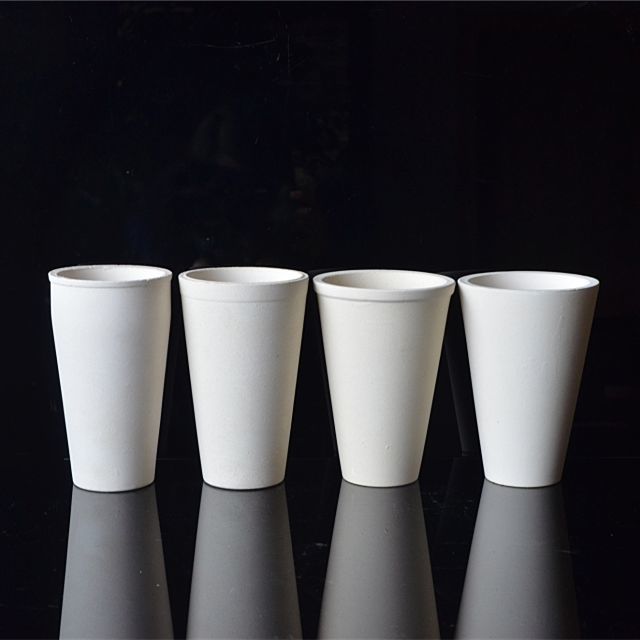
Exploring the Benefits and Applications of Al2O3 Alumina Ceramic Plates in Construction
Time:
2024-09-05 11:20
Source:
Al2O3, commonly known as alumina, is a ceramic material that has gained considerable attention in the construction industry, particularly for its applications in building and decorative materials. Alumina ceramic plates are known for their remarkable strength, resistance to wear and corrosion, and high thermal stability. These properties make them a compelling choice for various applications in architecture and decoration.
One of the primary benefits of Al2O3 alumina ceramic plates is their exceptional hardness. This attribute allows them to withstand significant mechanical stress, making them ideal for high-traffic areas in buildings where durability is paramount. When used as flooring or wall coverings, these plates can maintain their integrity even under the most strenuous conditions. Additionally, their resistance to scratches and abrasions ensures that they look good for years, minimizing maintenance needs.
Moreover, alumina ceramic plates are highly resistant to chemical corrosion. This quality is particularly beneficial in environments where exposure to harsh chemicals is common, such as laboratories or industrial buildings. By using Al2O3 plates in these settings, builders can ensure that the structural integrity and aesthetic appeal of the materials are preserved over time.
Thermal stability is another significant advantage of Al2O3 alumina ceramic plates. They can withstand high temperatures without deforming, making them suitable for applications in kitchens or areas where heat is a concern. This capability not only enhances safety but also allows for more design freedom, as architects can incorporate these materials into various layouts and styles without fear of damage from heat exposure.
In terms of aesthetic appeal, alumina ceramic plates can be manufactured in various colors and finishes, making them versatile for different design themes. Whether used as decorative tiles, countertops, or accent walls, these plates can enhance the visual aspect of a space, blending functionality with beauty.
Furthermore, the sustainability of Al2O3 materials adds another layer of appeal. As ceramic materials, they can be produced with minimal environmental impact and are often recyclable, contributing to a more sustainable building practice. This aspect is increasingly important to consumers and builders who are looking to reduce their carbon footprint and embrace eco-friendly materials.
In conclusion, Al2O3 alumina ceramic plates represent a robust and versatile option in the realm of construction and decorative materials. Their remarkable properties, including hardness, chemical resistance, thermal stability, and aesthetic flexibility, make them an excellent choice for various applications. Whether for enhancing durability in high-traffic areas or adding a touch of elegance to a design project, alumina ceramic plates are an invaluable addition to modern building practices.
One of the primary benefits of Al2O3 alumina ceramic plates is their exceptional hardness. This attribute allows them to withstand significant mechanical stress, making them ideal for high-traffic areas in buildings where durability is paramount. When used as flooring or wall coverings, these plates can maintain their integrity even under the most strenuous conditions. Additionally, their resistance to scratches and abrasions ensures that they look good for years, minimizing maintenance needs.
Moreover, alumina ceramic plates are highly resistant to chemical corrosion. This quality is particularly beneficial in environments where exposure to harsh chemicals is common, such as laboratories or industrial buildings. By using Al2O3 plates in these settings, builders can ensure that the structural integrity and aesthetic appeal of the materials are preserved over time.
Thermal stability is another significant advantage of Al2O3 alumina ceramic plates. They can withstand high temperatures without deforming, making them suitable for applications in kitchens or areas where heat is a concern. This capability not only enhances safety but also allows for more design freedom, as architects can incorporate these materials into various layouts and styles without fear of damage from heat exposure.
In terms of aesthetic appeal, alumina ceramic plates can be manufactured in various colors and finishes, making them versatile for different design themes. Whether used as decorative tiles, countertops, or accent walls, these plates can enhance the visual aspect of a space, blending functionality with beauty.
Furthermore, the sustainability of Al2O3 materials adds another layer of appeal. As ceramic materials, they can be produced with minimal environmental impact and are often recyclable, contributing to a more sustainable building practice. This aspect is increasingly important to consumers and builders who are looking to reduce their carbon footprint and embrace eco-friendly materials.
In conclusion, Al2O3 alumina ceramic plates represent a robust and versatile option in the realm of construction and decorative materials. Their remarkable properties, including hardness, chemical resistance, thermal stability, and aesthetic flexibility, make them an excellent choice for various applications. Whether for enhancing durability in high-traffic areas or adding a touch of elegance to a design project, alumina ceramic plates are an invaluable addition to modern building practices.
Al2O3 Alumina Ceramic Plate
INQUIRY FOR PRICELIST
For inquiries about our products or pricelist, please leave your inquiry and we will be in touch within 24 hours.
MoreFollow Us
Contact Us
Ms.Fanny
Email: sintyron@xtlceramic.com
Complaints and Opinions : anna@xtlceramic.com
Telephone:0086-731-23253338
Address:ShenTan Industrial
Area,Hunan,China 412200