

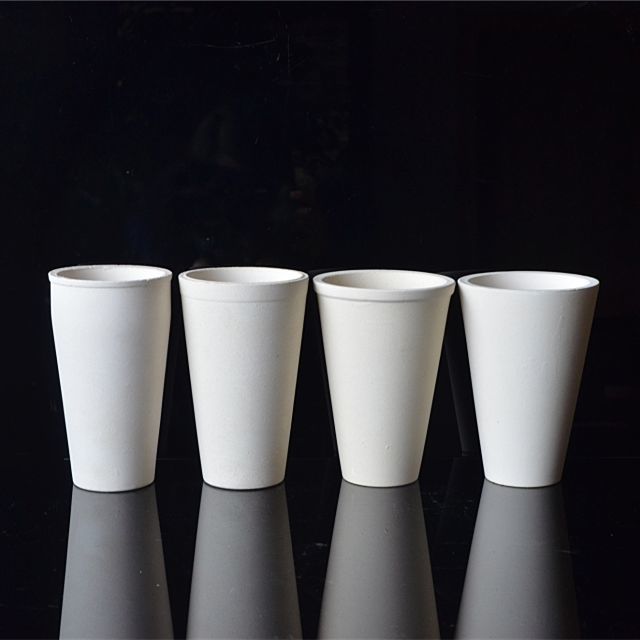
Why Al2O3 Alumina Ceramic Plates Are Essential for Modern Building Materials
Time:
2024-09-08 09:40
Source:
Why Al2O3 Alumina Ceramic Plates Are Essential for Modern Building Materials
Table of Contents
1. Introduction to Al2O3 Alumina Ceramic Plates
2. The Composition and Properties of Al2O3 Alumina
3. Advantages of Using Al2O3 Alumina Ceramic Plates in Construction
3.1 Durability and Longevity
3.2 Thermal Stability and Insulation
3.3 Chemical Resistance
3.4 Lightweight Nature
4. Applications of Al2O3 Alumina in Modern Building Materials
4.1 Flooring Solutions
4.2 Wall Cladding
4.3 Insulation Panels
5. Environmental Impact and Sustainability of Al2O3 Materials
6. Comparison with Traditional Building Materials
7. Future Trends in Building Materials Utilizing Al2O3
8. FAQs about Al2O3 Alumina Ceramic Plates
9. Conclusion
1. Introduction to Al2O3 Alumina Ceramic Plates
Al2O3, commonly known as alumina, is a crucial ceramic material that has become increasingly significant in various industries, particularly in construction. These ceramic plates exhibit remarkable properties that make them indispensable in modern building materials. As the demand for more resilient, efficient, and environmentally friendly construction materials rises, Al2O3 alumina ceramic plates stand out as an optimal choice.
2. The Composition and Properties of Al2O3 Alumina
Alumina is primarily composed of aluminum oxide (Al2O3) and can be found in both crystalline and amorphous forms. The crystalline form, often referred to as alpha-alumina, is known for its superior hardness and thermal stability. These properties arise from its strong ionic bonds and an extensive network of aluminum and oxygen atoms, making it an excellent candidate for various applications in construction.
3. Advantages of Using Al2O3 Alumina Ceramic Plates in Construction
Al2O3 alumina ceramic plates come with numerous advantages that make them ideal for modern building materials.
3.1 Durability and Longevity
One of the most significant benefits of Al2O3 ceramic plates is their exceptional durability. These materials are resistant to wear and tear, making them suitable for high-traffic areas in buildings. Their longevity reduces the frequency of replacements and maintenance, ultimately lowering overall project costs.
3.2 Thermal Stability and Insulation
Alumina ceramic plates possess excellent thermal stability, allowing them to withstand high temperatures without deforming or degrading. This property is particularly essential in applications such as insulation panels and flooring in industrial settings, where thermal fluctuations are common.
3.3 Chemical Resistance
Al2O3 is inherently resistant to a wide range of chemicals, including acids and bases. This quality makes alumina plates an excellent choice for environments exposed to corrosive substances, ensuring that the materials maintain their integrity over time.
3.4 Lightweight Nature
Despite their strength, Al2O3 ceramic plates are relatively lightweight compared to traditional building materials like concrete or metal. This characteristic simplifies transportation and installation processes, making construction projects more efficient.
4. Applications of Al2O3 Alumina in Modern Building Materials
The versatility of Al2O3 alumina plates opens up a wide array of applications in the construction industry.
4.1 Flooring Solutions
Alumina ceramic plates are increasingly used in flooring solutions due to their durability and aesthetic appeal. They can withstand heavy loads while providing a sleek, modern look that enhances any space.
4.2 Wall Cladding
The use of Al2O3 in wall cladding is gaining popularity as it offers a robust solution for both interior and exterior applications. The chemical resistance of these plates ensures they remain visually appealing and structurally sound, even in harsh weather conditions.
4.3 Insulation Panels
Al2O3 ceramic plates play a vital role in thermal insulation systems. Their ability to reflect heat while minimizing heat transfer makes them an essential component in energy-efficient building designs.
5. Environmental Impact and Sustainability of Al2O3 Materials
The construction industry is increasingly focused on sustainability, and Al2O3 alumina ceramic plates contribute positively in this regard. The longevity and durability of these materials reduce waste, while their recyclability further enhances their green credentials. Additionally, the production processes for alumina can be optimized to minimize energy consumption and emissions.
6. Comparison with Traditional Building Materials
When comparing Al2O3 alumina ceramic plates to traditional building materials, the advantages become even more apparent. For instance, compared to concrete, alumina plates are not only lighter but also provide better thermal insulation. In comparison to metals, they do not corrode, offering a longer lifespan with less maintenance.
7. Future Trends in Building Materials Utilizing Al2O3
As technology advances, the applications of Al2O3 alumina in construction are expected to expand. Innovations in manufacturing processes may lead to the development of even more efficient and eco-friendly alumina-based materials. Furthermore, the integration of smart technologies into building materials could enhance the functionality of Al2O3 plates, making them even more appealing for modern architecture.
8. FAQs about Al2O3 Alumina Ceramic Plates
Q1: What is Al2O3 alumina, and why is it used in construction?
A1: Al2O3 alumina is a ceramic material known for its high durability, chemical resistance, and thermal stability, making it ideal for various construction applications.
Q2: How do Al2O3 ceramic plates compare to traditional materials like concrete?
A2: Al2O3 ceramic plates are lighter, more durable, and offer better thermal insulation than concrete, making them a preferred choice for modern building materials.
Q3: Are Al2O3 alumina ceramic plates eco-friendly?
A3: Yes, Al2O3 materials have a long lifespan, are recyclable, and their production can be optimized for lower energy consumption, contributing to sustainability.
Q4: Can Al2O3 ceramic plates withstand high temperatures?
A4: Absolutely! Al2O3 ceramic plates exhibit excellent thermal stability, making them suitable for high-temperature applications.
Q5: What are the primary applications of Al2O3 in modern construction?
A5: Al2O3 is used in flooring, wall cladding, insulation panels, and various other applications where durability and thermal stability are crucial.
9. Conclusion
Al2O3 alumina ceramic plates are transforming the landscape of modern building materials. Their unique combination of durability, thermal stability, and chemical resistance makes them an essential component in contemporary architecture. As the industry continues to evolve towards more sustainable practices, the role of Al2O3 materials will only become more significant. Embracing these innovative solutions is not just a trend but a necessary step towards a more robust and eco-friendly future in construction.
Al2O3 Alumina Ceramic Plate
INQUIRY FOR PRICELIST
For inquiries about our products or pricelist, please leave your inquiry and we will be in touch within 24 hours.
MoreFollow Us
Contact Us
Ms.Fanny
Email: sintyron@xtlceramic.com
Complaints and Opinions : anna@xtlceramic.com
Telephone:0086-731-23253338
Address:ShenTan Industrial
Area,Hunan,China 412200