

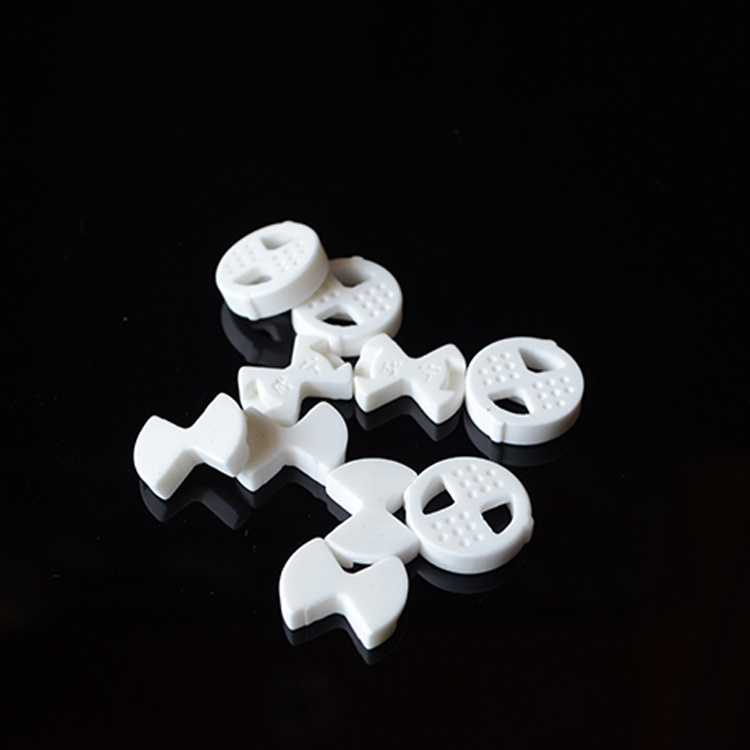
Exploring the Versatility of Alumina Ceramic Sheets in Modern Architecture
Time:
2024-09-14 10:00
Source:
Exploring the Versatility of Alumina Ceramic Sheets in Modern Architecture
Table of Contents
- 1. Introduction to Alumina Ceramic Sheets
- 2. Properties of Alumina Ceramic Sheets
- 3. Applications in Modern Architecture
- 4. Sustainability of Alumina Ceramic Sheets
- 5. Installation Techniques for Alumina Ceramic Sheets
- 6. Costs and Economic Considerations
- 7. The Future of Alumina Ceramic Sheets in Architecture
- 8. Frequently Asked Questions
- 9. Conclusion
1. Introduction to Alumina Ceramic Sheets
Alumina ceramic sheets are gaining recognition in modern architecture due to their unique combination of durability, aesthetic appeal, and versatility. These sheets are primarily composed of aluminum oxide, which is known for its exceptional hardness and resistance to wear. The architectural world is continually evolving, and materials that can withstand environmental stressors while providing aesthetic flexibility are in high demand. Alumina ceramic sheets not only meet these criteria but also offer a range of design possibilities that appeal to architects and builders alike.
2. Properties of Alumina Ceramic Sheets
Understanding the properties of alumina ceramic sheets is essential for appreciating their role in modern architecture. Here are some key characteristics:
2.1. High Durability
Alumina ceramic sheets boast a high resistance to scratches, dents, and thermal shock. This makes them ideal for external applications where exposure to the elements is a concern.
2.2. Aesthetic Versatility
These sheets come in various colors, textures, and finishes, allowing for creative expression in architectural design. Whether smooth, matte, or glossy, alumina ceramic sheets can complement any design theme.
2.3. Lightweight Composition
Despite their strength, alumina ceramic sheets are relatively lightweight compared to traditional building materials, making them easier to handle and install.
2.4. Chemical Resistance
Their resistance to various chemicals ensures that they maintain their integrity and appearance over time, making them suitable for both indoor and outdoor applications.
2.5. Thermal Insulation
Alumina ceramic sheets provide excellent thermal insulation, contributing to energy efficiency in buildings. This property can significantly reduce heating and cooling costs.
3. Applications in Modern Architecture
The versatility of alumina ceramic sheets allows for a wide range of architectural applications. Below, we explore some of the most prominent uses in contemporary design.
3.1. Facades and Exterior Cladding
One of the most popular applications of alumina ceramic sheets is in building facades. These sheets can create striking visual effects while providing essential protection against weather elements. Their durability ensures that facades remain intact and visually appealing for years, reducing maintenance costs.
3.2. Interior Design Elements
In interior spaces, alumina ceramic sheets can be used creatively in wall coverings, decorative accents, and even furniture. Their ability to be molded into various shapes allows designers to explore innovative concepts, enhancing the overall aesthetic of a space.
3.3. Flooring Solutions
Alumina ceramic sheets also serve as an excellent flooring option due to their wear resistance and ease of cleaning. They can mimic the appearance of natural stone or wood, providing aesthetic versatility without compromising durability.
4. Sustainability of Alumina Ceramic Sheets
Sustainability is a critical consideration in modern architecture. Alumina ceramic sheets contribute positively to sustainable building practices:
4.1. Eco-Friendly Production
The manufacturing process of alumina ceramic sheets generates minimal waste, and many manufacturers are adopting eco-friendly practices to reduce their carbon footprint.
4.2. Longevity and Durability
By choosing materials that outlast traditional options, architects can contribute to reducing waste in the construction industry. The extended lifespan of alumina ceramic sheets means fewer replacements and less material sent to landfills.
4.3. Energy Efficiency
Utilizing these sheets in building design can lead to improved energy efficiency, reducing the overall environmental impact of a building. Their thermal insulation properties help maintain comfortable indoor temperatures, leading to lower energy consumption.
5. Installation Techniques for Alumina Ceramic Sheets
Proper installation is crucial for maximizing the benefits of alumina ceramic sheets. Here are some commonly used techniques:
5.1. Adhesive Bonding
Using specialized adhesives provides a strong bond between the sheets and the substrate. It's essential to select the right type of adhesive to ensure durability and performance.
5.2. Mechanical Fastening
In certain applications, mechanical fasteners may be employed. This method is particularly useful in high-stress areas where additional support is necessary.
5.3. Grouting Techniques
For applications involving flooring or wall coverings, grout can be utilized to fill joints between sheets, enhancing the overall aesthetic and providing further stability.
6. Costs and Economic Considerations
When considering alumina ceramic sheets, understanding the cost implications is vital for budgeting and planning.
6.1. Initial Investment
While the upfront costs of alumina ceramic sheets may be higher than some conventional materials, it’s essential to factor in their longevity and reduced maintenance costs over time.
6.2. Value Enhancement
Buildings featuring high-quality materials such as alumina ceramic sheets often see an increase in property value. Their aesthetic appeal and durability make them a worthwhile investment for both residential and commercial properties.
6.3. Long-term Savings
The energy efficiency provided by alumina ceramic sheets can also lead to significant savings on utility bills, making them an economically wise choice in the long run.
7. The Future of Alumina Ceramic Sheets in Architecture
The future of alumina ceramic sheets in architecture looks promising. As designers continue to seek innovative materials that align with sustainability goals, the demand for alumina ceramic sheets is expected to rise. Their adaptability to emerging design trends, coupled with their inherent properties, positions them as a staple in modern architecture.
8. Frequently Asked Questions
8.1. What are alumina ceramic sheets made of?
Alumina ceramic sheets are primarily composed of aluminum oxide, known for its hardness and durability.
8.2. Can alumina ceramic sheets be used outdoors?
Yes, alumina ceramic sheets are highly resistant to weathering, making them suitable for outdoor applications such as facades and landscaping.
8.3. Are alumina ceramic sheets eco-friendly?
Yes, alumina ceramic sheets are produced with minimal waste and contribute to energy-efficient building designs.
8.4. How are alumina ceramic sheets installed?
They can be installed using adhesive bonding, mechanical fastening, or grouting techniques, depending on the application requirements.
8.5. What are the advantages of using alumina ceramic sheets?
Some advantages include high durability, aesthetic versatility, lightweight composition, chemical resistance, and excellent thermal insulation properties.
9. Conclusion
In conclusion, alumina ceramic sheets are transforming modern architecture through their exceptional properties and aesthetic appeal. Their versatility allows for a wide range of applications, from stunning facades to innovative interior designs, all while promoting sustainability. As we look towards the future, the integration of alumina ceramic sheets in architectural projects will likely continue to grow, offering architects and builders a powerful tool for creating beautiful, durable, and efficient structures. Embracing this innovative material not only enhances design possibilities but also contributes to a more sustainable built environment.
Alumina Ceramic Sheet
INQUIRY FOR PRICELIST
For inquiries about our products or pricelist, please leave to us and. we will be in touch within 24 hours.
MoreFollow Us
Contact Us
Ms.Fanny
Email: sintyron@xtlceramic.com
Complaints and Opinions : anna@xtlceramic.com
TEL:0086-731-23253338
Address:ShenTan Industrial
Area,Hunan,China 412200