

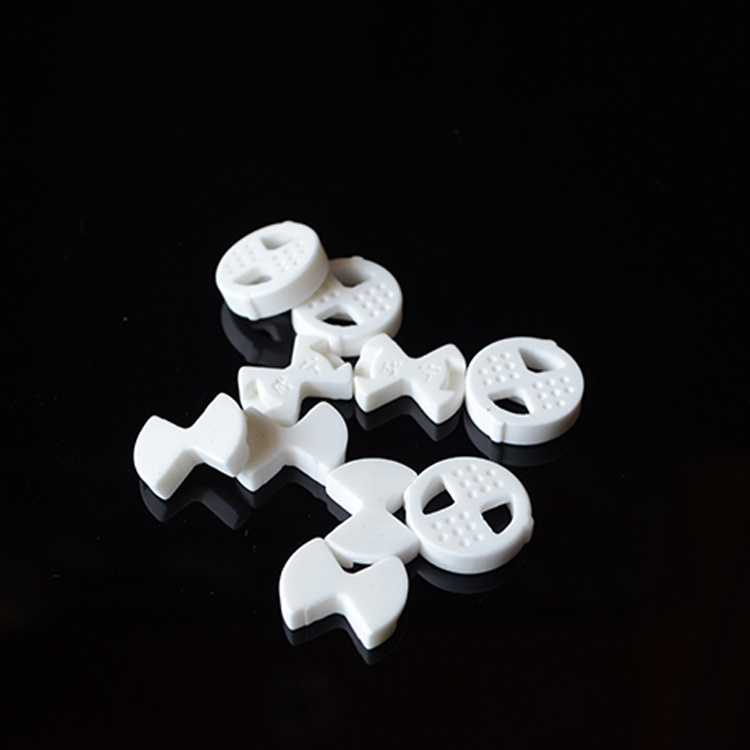
Exploring the Advantages of High Temperature Resistant Customized Components
Time:
2024-10-14 10:00
Source:
Exploring the Advantages of High Temperature Resistant Customized Components
Table of Contents
- 1. Introduction to High Temperature Resistant Components
- 2. Importance of Customization in Building Materials
- 3. Applications of High Temperature Resistant Components
- 4. Key Advantages of High Temperature Resistant Customized Components
- 5. Materials Used in High Temperature Resistant Components
- 6. The Manufacturing Process of Customized Components
- 7. Real-World Case Studies of High Temperature Components
- 8. Future Trends in High Temperature Resistant Materials
- 9. Frequently Asked Questions
- 10. Conclusion
1. Introduction to High Temperature Resistant Components
In today’s rapidly evolving industrial landscape, the demand for **high temperature resistant customized components** has surged significantly. Industries ranging from **construction** to **manufacturing** are increasingly recognizing the necessity of materials that can withstand extreme thermal conditions. These components are engineered to provide superior resilience, ensuring that structures maintain their integrity and performance even under stress.
The imperatives for using such materials extend beyond mere durability. High temperature resistant customized components are pivotal in creating designs that fulfill specific operational requirements. This article explores the multifaceted advantages of these components, shedding light on their essential role in the construction and decoration materials industry.
2. Importance of Customization in Building Materials
Customization in building materials is no longer a luxury but a necessity. As various industries evolve, the requirements for specific applications demand tailored solutions. **High temperature resistant materials** that are customized offer unique benefits:
2.1 Tailored Solutions for Unique Challenges
Each industrial application has distinct challenges, and customized components provide solutions that standard products cannot. For instance, a component that needs to withstand high heat in a manufacturing facility will require different properties than one used in a decorative application.
2.2 Enhanced Performance and Efficiency
Customized components are engineered for optimal performance, enhancing the **overall efficiency** of the systems they are integrated into. This is particularly crucial in applications where failure due to high temperatures could lead to costly downtimes.
3. Applications of High Temperature Resistant Components
High temperature resistant customized components find uses across a broad spectrum of industries, including:
3.1 Aerospace and Automotive
In aerospace and automotive sectors, these materials withstand extreme temperatures generated during operations, ensuring safety and performance. Components like gaskets, seals, and insulation materials are critical in these applications.
3.2 Industrial Manufacturing
From furnaces to turbines, various manufacturing processes produce high heat. Customized components are integral in maintaining operational integrity and efficiency in these environments.
3.3 Construction and Architecture
In construction, particularly in environments exposed to intense heat, custom components help maintain structural strength. Applications include fire-resistant panels and thermal barriers.
4. Key Advantages of High Temperature Resistant Customized Components
The advantages of using high temperature resistant customized components are manifold:
4.1 Durability and Longevity
Components designed to resist high temperatures inherently possess greater durability. They reduce the frequency of replacements, resulting in cost savings over time.
4.2 Safety Enhancements
In high-stakes environments, safety cannot be compromised. These components reduce the risk of failures, which can lead to accidents or catastrophic breakdowns, thereby ensuring worker safety.
4.3 Improved Performance
Specialized components can operate more efficiently under extreme conditions, leading to improved overall system performance.
4.4 Environmental Resistance
Many high temperature resistant materials also offer resistance to environmental factors such as **corrosion**, **oxidation**, and **chemical exposure**, making them ideal for various applications.
4.5 Custom Fit and Functionality
Customization allows for a precise fit tailored to specific applications, ensuring optimal functionality and integration within existing systems.
5. Materials Used in High Temperature Resistant Components
The effectiveness of high temperature resistant customized components largely depends on the materials used in their manufacture. Some of the prevalent materials include:
5.1 Ceramics
Ceramic materials are known for their exceptional heat resistance and durability. They are often used in applications requiring high thermal stability.
5.2 Metals
Certain metals, especially alloys, are engineered to withstand high temperatures without losing their mechanical properties. They are commonly used in aerospace and automotive industries.
5.3 Composites
Composite materials combine the advantages of various substances, resulting in components that are lightweight yet capable of enduring extreme heat.
5.4 Polymer Resins
Advanced polymer resins can withstand high temperatures and maintain their properties, making them suitable for a variety of applications.
6. The Manufacturing Process of Customized Components
The manufacturing of high temperature resistant customized components involves several key steps:
6.1 Material Selection
Choosing the right material is foundational. It must align with the specific thermal and mechanical requirements of the application.
6.2 Design and Engineering
Using CAD software, professionals design components to meet precise specifications, ensuring they fulfill all operational requirements.
6.3 Prototyping
Before full-scale production, prototypes are developed to evaluate performance under simulated conditions, allowing for adjustments if necessary.
6.4 Production
Once the design is finalized, components are produced using advanced manufacturing techniques such as **3D printing**, **casting**, or **machining**, ensuring accuracy and quality.
6.5 Quality Control
Extensive testing is conducted to ensure components meet specified safety and performance standards before they are deployed.
7. Real-World Case Studies of High Temperature Components
Understanding the practical implications of high temperature resistant customized components is best illustrated through real-world examples.
7.1 Aerospace Industry
In the aerospace sector, a manufacturer utilized custom ceramic matrix composites for turbine blades. This innovation resulted in a significant weight reduction while enhancing performance, leading to increased fuel efficiency.
7.2 Automotive Sector
An automotive company adopted high temperature resistant gaskets made from advanced polymers. These gaskets improved engine performance while reducing emissions, showcasing both environmental and operational benefits.
7.3 Building Construction
A construction project incorporated fire-resistant panels made from customized ceramic materials. This led to enhanced safety measures and compliance with stringent building codes, ultimately increasing the project’s value.
8. Future Trends in High Temperature Resistant Materials
The future of high temperature resistant customized components is promising, with several trends emerging:
8.1 Advances in Material Science
Ongoing research in material science is likely to lead to even more resilient materials, enhancing the performance of high temperature components.
8.2 Increased Automation
As manufacturing processes become increasingly automated, the precision and efficiency of producing customized components will improve.
8.3 Sustainability Focus
There’s a growing emphasis on sustainability in production processes, leading manufacturers to explore eco-friendly materials and methods.
8.4 Enhanced Performance Metrics
The development of smarter materials that can adapt to varying conditions opens new avenues for applications across different industries.
9. Frequently Asked Questions
9.1 What are high temperature resistant components?
High temperature resistant components are materials engineered to maintain their integrity and performance under extreme heat conditions.
9.2 How are customized components manufactured?
Customized components are manufactured through a series of steps including material selection, design, prototyping, production, and quality control.
9.3 What industries benefit from high temperature resistant materials?
Industries such as aerospace, automotive, manufacturing, and construction significantly benefit from high temperature resistant materials.
9.4 Are there environmental considerations with these components?
Many high temperature resistant materials also offer environmental resistance, making them suitable for various applications exposed to harsh conditions.
9.5 Can these components enhance safety in industrial settings?
Yes, using high temperature resistant components reduces the risk of failures, thereby enhancing safety in industrial environments.
10. Conclusion
High temperature resistant customized components are transforming the landscape of construction and decoration materials. Their unique properties not only enhance durability and safety but also improve overall performance across various applications. As industries continue to evolve, embracing these advanced materials will be pivotal in driving innovation and ensuring operational efficiency. By prioritizing customized solutions, businesses can meet specific challenges and position themselves at the forefront of their respective sectors. Embracing the future of high temperature resistant materials enables us to build safer, more efficient, and sustainable structures and products, ultimately shaping the industries of tomorrow.
High Temperature Resistant Customized component
INQUIRY FOR PRICELIST
For inquiries about our products or pricelist, please leave to us and. we will be in touch within 24 hours.
MoreFollow Us
Contact Us
Ms.Fanny
Email: sintyron@xtlceramic.com
Complaints and Opinions : anna@xtlceramic.com
TEL:0086-731-23253338
Address:ShenTan Industrial
Area,Hunan,China 412200