

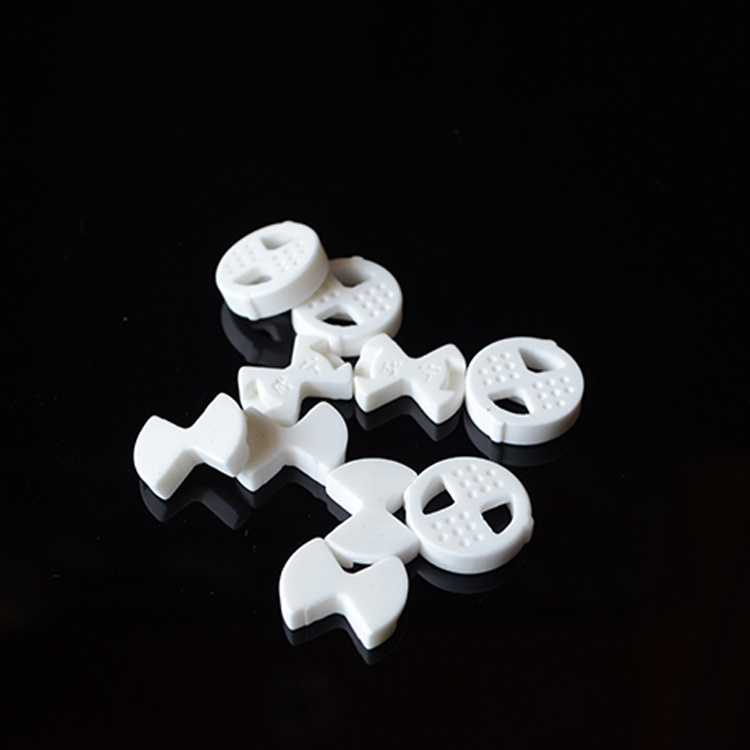
Exploring High Heat Resistance Ceramic Parts: The Future of Construction and Decorative Materials
Time:
2024-10-17 11:20
Source:
High heat resistance ceramic parts are increasingly becoming vital in various sectors, particularly in construction and decorative materials. These specialized ceramics are designed to withstand elevated temperatures without compromising their structural integrity, making them ideal for specific applications in building and design.
One of the key characteristics of high heat resistance ceramics is their ability to maintain mechanical strength and stability under extreme conditions. Unlike traditional materials that may warp or degrade at high temperatures, ceramics engineered for heat resistance can endure prolonged exposure to heat, making them suitable for environments like kitchens, fireplaces, and industrial settings. This property not only extends the lifespan of construction materials but also enhances the safety and reliability of structures.
In the realm of architectural design, high heat resistance ceramic parts can be utilized in various applications. For instance, they are often employed in the production of decorative tiles that may be exposed to heat, such as those used around fireplaces or in outdoor areas where grills are situated. These tiles not only add aesthetic value but also serve a functional purpose by resisting thermal shock and minimizing the risk of cracking or breaking.
Moreover, the versatility of high heat resistance ceramics extends to their aesthetic appeal. They can be manufactured in a range of colors, textures, and finishes, allowing architects and designers to create visually striking surfaces that are both durable and functional. This combination of beauty and performance opens up new possibilities in the realm of interior and exterior design, encouraging innovative uses of ceramic materials in modern architecture.
Another significant advantage of high heat resistance ceramic parts is their environmental impact. Ceramics are generally made from abundant natural materials, and many high heat resistance ceramics are developed using sustainable practices. This aligns with the growing trend toward eco-friendly building materials, as consumers and builders increasingly seek options that minimize environmental footprints without sacrificing quality or performance.
In conclusion, high heat resistance ceramic parts represent a forward-thinking solution in the construction and decorative materials industry. With their remarkable ability to withstand extreme temperatures, combined with aesthetic versatility and sustainability, these ceramics are poised to play a crucial role in shaping the architecture of the future. As the demand for durable and visually appealing building materials continues to rise, high heat resistance ceramics will undoubtedly become a staple in both residential and commercial applications. Embracing these advanced materials can lead to safer, more innovative designs that meet the challenges of modern construction.
One of the key characteristics of high heat resistance ceramics is their ability to maintain mechanical strength and stability under extreme conditions. Unlike traditional materials that may warp or degrade at high temperatures, ceramics engineered for heat resistance can endure prolonged exposure to heat, making them suitable for environments like kitchens, fireplaces, and industrial settings. This property not only extends the lifespan of construction materials but also enhances the safety and reliability of structures.
In the realm of architectural design, high heat resistance ceramic parts can be utilized in various applications. For instance, they are often employed in the production of decorative tiles that may be exposed to heat, such as those used around fireplaces or in outdoor areas where grills are situated. These tiles not only add aesthetic value but also serve a functional purpose by resisting thermal shock and minimizing the risk of cracking or breaking.
Moreover, the versatility of high heat resistance ceramics extends to their aesthetic appeal. They can be manufactured in a range of colors, textures, and finishes, allowing architects and designers to create visually striking surfaces that are both durable and functional. This combination of beauty and performance opens up new possibilities in the realm of interior and exterior design, encouraging innovative uses of ceramic materials in modern architecture.
Another significant advantage of high heat resistance ceramic parts is their environmental impact. Ceramics are generally made from abundant natural materials, and many high heat resistance ceramics are developed using sustainable practices. This aligns with the growing trend toward eco-friendly building materials, as consumers and builders increasingly seek options that minimize environmental footprints without sacrificing quality or performance.
In conclusion, high heat resistance ceramic parts represent a forward-thinking solution in the construction and decorative materials industry. With their remarkable ability to withstand extreme temperatures, combined with aesthetic versatility and sustainability, these ceramics are poised to play a crucial role in shaping the architecture of the future. As the demand for durable and visually appealing building materials continues to rise, high heat resistance ceramics will undoubtedly become a staple in both residential and commercial applications. Embracing these advanced materials can lead to safer, more innovative designs that meet the challenges of modern construction.
High heat resistance Ceramic part
INQUIRY FOR PRICELIST
For inquiries about our products or pricelist, please leave to us and. we will be in touch within 24 hours.
MoreFollow Us
Contact Us
Ms.Fanny
Email: sintyron@xtlceramic.com
Complaints and Opinions : anna@xtlceramic.com
TEL:0086-731-23253338
Address:ShenTan Industrial
Area,Hunan,China 412200