

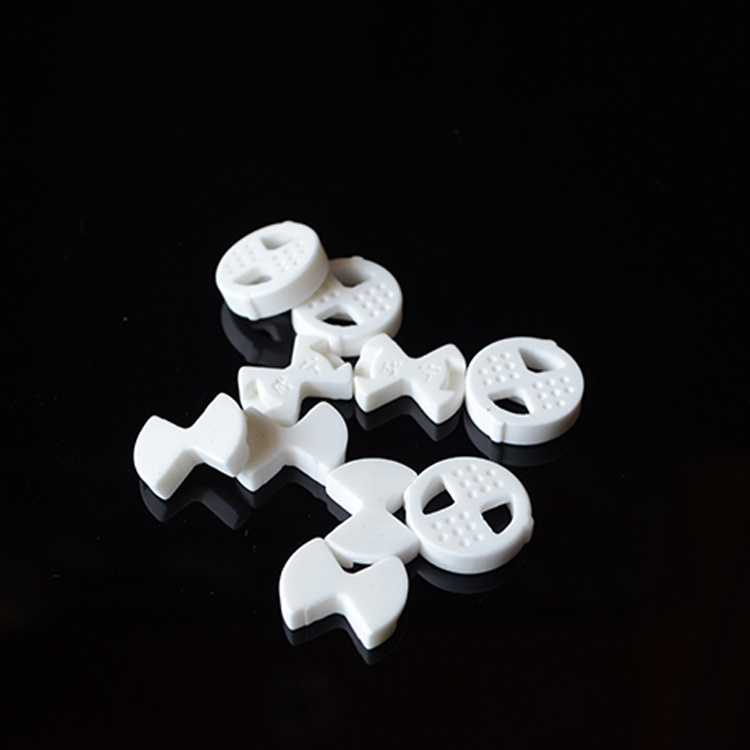
Exploring the Benefits and Applications of Alumina Ceramic Substrates in Construction
Time:
2024-11-16 10:00
Source:
Alumina ceramic substrates have gained significant attention in the construction and decoration materials industry due to their remarkable properties and versatility. Made primarily from aluminum oxide (Al2O3), these substrates exhibit exceptional thermal stability, mechanical strength, and chemical resistance, making them an ideal choice for various applications in architecture and design.
One of the most notable characteristics of alumina ceramic substrates is their excellent thermal conductivity. This property allows them to effectively dissipate heat, which is particularly valuable in applications requiring temperature regulation. In addition to thermal management, alumina substrates are resistant to high temperatures and can withstand thermal shock, making them suitable for environments that experience rapid temperature fluctuations.
The mechanical strength of alumina ceramic substrates is another critical attribute. They possess a high compressive strength, which ensures durability and longevity in construction projects. This strength makes them ideal for supporting heavy loads, whether in flooring systems, wall tiles, or decorative elements. Their resilience also contributes to reduced maintenance costs over time, a vital consideration for architects and builders.
In terms of aesthetic appeal, alumina ceramic substrates can be produced in various colors, textures, and finishes. This versatility allows for creative design possibilities, enabling architects to push the boundaries of traditional building materials. Whether used in modern facades, intricate tile work, or as part of artistic installations, alumina ceramics can enhance the visual impact of any space.
Moreover, alumina ceramic substrates are impervious to moisture and are resistant to many chemical agents. This characteristic makes them suitable for both indoor and outdoor applications, where exposure to water, pollutants, or harsh weather conditions can be a concern. Their non-porous nature prevents staining and degradation over time, ensuring that structures maintain their aesthetic integrity.
Another essential aspect of alumina ceramic substrates is their eco-friendliness. The manufacturing processes of these materials can be optimized for sustainability, and their long life cycle contributes to reducing environmental impact compared to less durable alternatives. In an industry that is increasingly focused on sustainability, using alumina ceramics can align with green building practices.
In conclusion, alumina ceramic substrates offer a blend of functionality and aesthetic appeal, making them a valuable asset in the building and decoration materials sector. With their superior thermal and mechanical properties, resistance to environmental stressors, and design versatility, these substrates are poised to play a crucial role in the future of architectural innovation. Whether for practical installations or artistic expressions, alumina ceramics stand out as a remarkable choice for modern construction solutions.
One of the most notable characteristics of alumina ceramic substrates is their excellent thermal conductivity. This property allows them to effectively dissipate heat, which is particularly valuable in applications requiring temperature regulation. In addition to thermal management, alumina substrates are resistant to high temperatures and can withstand thermal shock, making them suitable for environments that experience rapid temperature fluctuations.
The mechanical strength of alumina ceramic substrates is another critical attribute. They possess a high compressive strength, which ensures durability and longevity in construction projects. This strength makes them ideal for supporting heavy loads, whether in flooring systems, wall tiles, or decorative elements. Their resilience also contributes to reduced maintenance costs over time, a vital consideration for architects and builders.
In terms of aesthetic appeal, alumina ceramic substrates can be produced in various colors, textures, and finishes. This versatility allows for creative design possibilities, enabling architects to push the boundaries of traditional building materials. Whether used in modern facades, intricate tile work, or as part of artistic installations, alumina ceramics can enhance the visual impact of any space.
Moreover, alumina ceramic substrates are impervious to moisture and are resistant to many chemical agents. This characteristic makes them suitable for both indoor and outdoor applications, where exposure to water, pollutants, or harsh weather conditions can be a concern. Their non-porous nature prevents staining and degradation over time, ensuring that structures maintain their aesthetic integrity.
Another essential aspect of alumina ceramic substrates is their eco-friendliness. The manufacturing processes of these materials can be optimized for sustainability, and their long life cycle contributes to reducing environmental impact compared to less durable alternatives. In an industry that is increasingly focused on sustainability, using alumina ceramics can align with green building practices.
In conclusion, alumina ceramic substrates offer a blend of functionality and aesthetic appeal, making them a valuable asset in the building and decoration materials sector. With their superior thermal and mechanical properties, resistance to environmental stressors, and design versatility, these substrates are poised to play a crucial role in the future of architectural innovation. Whether for practical installations or artistic expressions, alumina ceramics stand out as a remarkable choice for modern construction solutions.
Alumina Ceramic Substrate
INQUIRY FOR PRICELIST
For inquiries about our products or pricelist, please leave to us and. we will be in touch within 24 hours.
MoreFollow Us
Contact Us
Ms.Fanny
Email: sintyron@xtlceramic.com
Complaints and Opinions : anna@xtlceramic.com
TEL:0086-731-23253338
Address:ShenTan Industrial
Area,Hunan,China 412200