

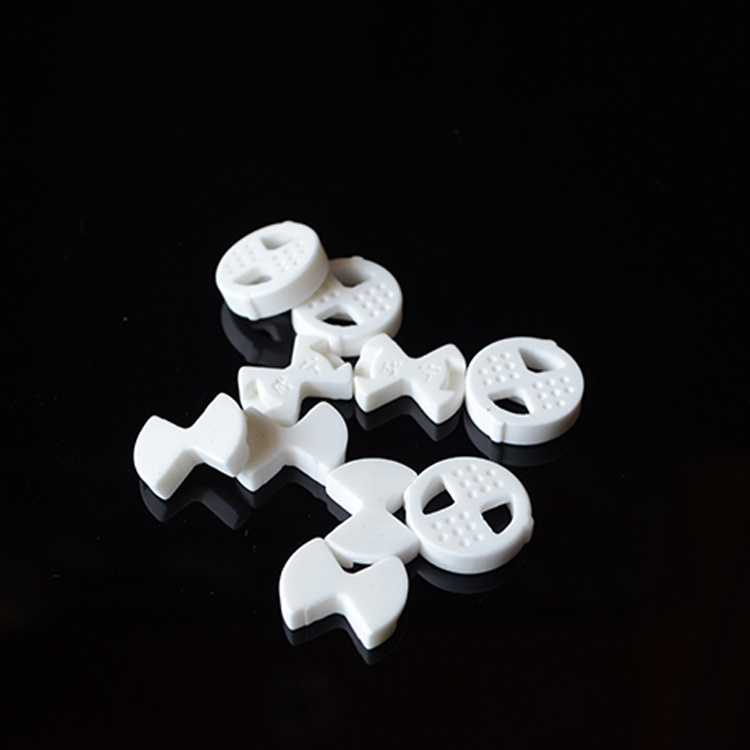
Why High Temperature Resistant Customized Components are Essential for Building Materials
Time:
2024-11-25 10:00
Source:
Why High Temperature Resistant Customized Components are Essential for Building Materials
Building materials play a crucial role in the safety, durability, and performance of structures. In today's construction industry, the demand for high temperature resistant customized components has surged due to their ability to withstand extreme conditions. This article delves deep into why these components are essential, exploring their types, benefits, and applications in various construction projects.
The Importance of High Temperature Resistance in Building Materials
In any construction project, materials must meet specific performance criteria. High temperature resistance is a critical factor, especially in regions prone to extreme weather conditions or where fire hazards are a concern. Let's explore why this feature is vital.
1. Enhancing Structural Integrity
High temperature resistant components contribute significantly to the **structural integrity** of buildings. When materials are exposed to high temperatures, they can weaken or deform, leading to structural failures. Utilizing components that can withstand heat ensures that buildings retain their form and functionality even under stress.
2. Ensuring Safety and Compliance
Safety regulations are paramount in construction. Building codes often mandate the use of materials that can endure high temperatures. **Customized components** designed for heat resistance not only meet these regulatory requirements but also enhance the overall safety of a structure, protecting occupants from potential hazards.
3. Reducing Maintenance Costs
Choosing high temperature resistant materials can significantly reduce long-term maintenance costs. Traditional materials may require more frequent repairs or replacements after exposure to extreme heat. By investing in customized components, construction companies can minimize repair budgets and extend the lifespan of the building.
Types of High Temperature Resistant Customized Components
There is a wide range of high temperature resistant components available in the market. Understanding these types can help builders select the most suitable options for their projects.
1. Ceramic Materials
Ceramics are one of the most common high temperature resistant materials used in construction. They exhibit excellent thermal stability and are resistant to thermal shock, making them ideal for applications in kilns, furnaces, and high-temperature environments.
Applications of Ceramic Components
- **Flooring Tiles**: Used in places exposed to heat, such as kitchens or industrial settings.
- **Insulation Bricks**: Essential in furnaces and fireplaces to retain heat and ensure safety.
2. Refractory Materials
Refractory materials can withstand extreme temperatures without melting or deforming. These components are critical in high-temperature applications, including steel manufacturing and glass production.
Applications of Refractory Components
- **Lining for Furnaces**: Protects structural elements from heat damage.
- **Chimney Linings**: Increases safety and efficiency in heating systems.
3. High Temperature Resistant Polymers
Advanced polymers engineered for high temperature applications are increasingly used in building materials. They provide flexibility, durability, and resistance to thermal degradation.
Applications of High Temperature Resistant Polymers
- **Sealants and Adhesives**: Used in areas exposed to high heat, ensuring strong bonds.
- **Insulation Materials**: Protects against heat loss and enhances energy efficiency.
Benefits of Using High Temperature Resistant Customized Components
Investing in high temperature resistant materials offers numerous advantages that enhance construction quality.
1. Improved Durability
Customized components tailored for high temperature resistance are designed to last longer than traditional materials. This durability translates into fewer repairs and replacements over time.
2. Enhanced Energy Efficiency
Materials that resist high temperatures can improve overall energy efficiency in buildings. By reducing thermal losses, these components help maintain comfortable indoor climates and lower energy costs.
3. Design Flexibility
With the availability of customized components, architects and builders have greater flexibility in design. They can choose materials that not only meet functional requirements but also align with aesthetic preferences.
Challenges in Implementing High Temperature Resistant Components
While the benefits are substantial, there are challenges that builders may face when implementing these materials.
1. Cost Considerations
High temperature resistant components may initially have a higher upfront cost compared to traditional materials. However, the long-term savings in maintenance and energy efficiency often outweigh these initial investments.
2. Availability of Customized Solutions
Finding the right customized components can sometimes be challenging, especially if specific requirements are needed. Collaborating with reliable suppliers can help overcome this hurdle.
Applications of High Temperature Resistant Customized Components in Construction
Various construction sectors utilize high temperature resistant customized components to enhance performance. Here are some notable applications.
1. Industrial Facilities
In industrial settings, such as factories and power plants, high temperature resistance is critical. Components used in these facilities must endure extreme conditions while ensuring safety and efficiency.
2. Residential Construction
High temperature resistant materials are increasingly making their way into residential construction. From heat-resistant roofing materials to fireproof insulation, homeowners can now enjoy improved safety and energy efficiency.
3. Infrastructure Projects
Bridges, tunnels, and highways benefit from high temperature resistant materials, as these structures are often exposed to varying environmental conditions. Using customized components ensures longevity and safety in infrastructure.
Future Trends in High Temperature Resistant Components
As technology advances, the development of high temperature resistant materials continues to evolve. Here are some trends shaping the future of building materials.
1. Innovations in Material Science
Research and development in material science are leading to the creation of new composites that offer even better heat resistance, durability, and environmental sustainability.
2. Emphasis on Sustainability
Sustainable building practices are becoming more prevalent. Future high temperature resistant materials are likely to focus on eco-friendly production methods and recyclability.
Frequently Asked Questions (FAQs)
1. What are high temperature resistant materials?
High temperature resistant materials are specially engineered components designed to withstand extreme temperatures without losing structural integrity or functionality.
2. Why are customized components necessary for high temperature applications?
Customized components can be tailored to meet specific performance requirements, ensuring they are fit for particular applications and environments.
3. How do high temperature resistant materials improve safety in construction?
These materials help prevent structural failures and reduce fire hazards, thereby enhancing overall safety for occupants.
4. Are high temperature resistant materials more expensive?
While they may involve higher upfront costs, the long-term savings in maintenance and energy efficiency often lead to overall cost benefits.
5. Can high temperature resistant materials be used in residential buildings?
Yes, they are increasingly being used in residential construction to enhance safety and energy efficiency, especially in areas prone to heat exposure.
Conclusion
High temperature resistant customized components are essential for modern construction practices. Their ability to enhance structural integrity, ensure safety, and reduce long-term costs makes them indispensable in today’s building projects. As we move forward, the advancements in material science promise even greater innovations, further solidifying the role of these components in the construction industry. By investing in high temperature resistant materials, builders not only comply with safety standards but also contribute to the longevity and efficiency of their structures. Embracing these components is not just a trend; it’s a necessity for those committed to quality and safety in construction.
High Temperature Resistant Customized component
INQUIRY FOR PRICELIST
For inquiries about our products or pricelist, please leave to us and. we will be in touch within 24 hours.
MoreFollow Us
Contact Us
Ms.Fanny
Email: sintyron@xtlceramic.com
Complaints and Opinions : anna@xtlceramic.com
TEL:0086-731-23253338
Address:ShenTan Industrial
Area,Hunan,China 412200