

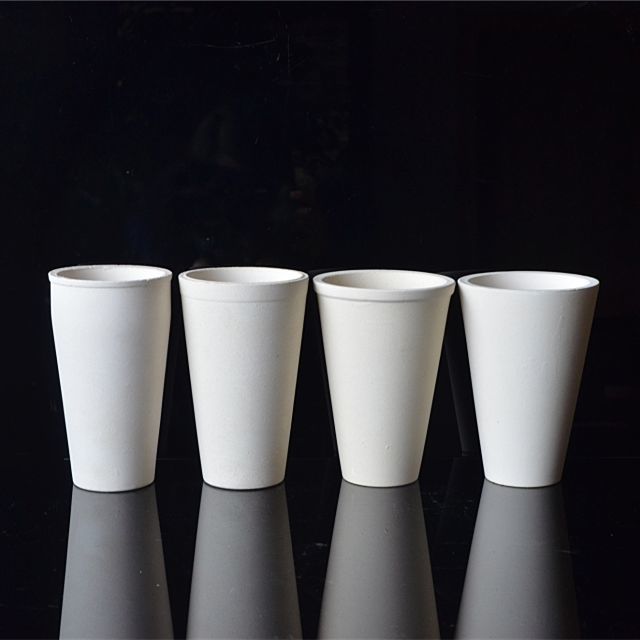
Enhancing Durability in Construction: The Benefits of Alumina Zirconia Ceramics
Time:
2024-12-01 09:40
Source:
Enhancing Durability in Construction: The Benefits of Alumina Zirconia Ceramics
In the ever-evolving landscape of the construction industry, the demand for durable and resilient materials is paramount. One such material that has garnered significant attention is **alumina zirconia ceramics**. This article delves into the myriad benefits of using alumina zirconia ceramics in construction, and how they can transform the way we build and design structures.
Table of Contents
- 1. Introduction to Alumina Zirconia Ceramics
- 2. Chemical and Physical Properties of Alumina Zirconia Ceramics
- 3. Advantages of Using Alumina Zirconia Ceramics in Construction
- 4. Applications of Alumina Zirconia Ceramics in the Industry
- 5. Durability Testing of Alumina Zirconia Ceramics
- 6. Sustainability Aspects of Alumina Zirconia Ceramics
- 7. Future Potential of Alumina Zirconia Ceramics in Construction
- 8. Conclusion
- 9. FAQs
1. Introduction to Alumina Zirconia Ceramics
Alumina zirconia ceramics are advanced materials composed mainly of alumina (Al₂O₃) and zirconia (ZrO₂). These ceramics are known for their exceptional mechanical properties, which include high strength, toughness, and wear resistance. With the increasing need for durable materials in construction, alumina zirconia ceramics have emerged as a frontrunner, offering a unique blend of performance and versatility.
2. Chemical and Physical Properties of Alumina Zirconia Ceramics
The distinct characteristics of alumina zirconia ceramics stem from their unique chemical composition. Alumina provides hardness and chemical stability, while zirconia enhances toughness and thermal resistance. The combination of these two oxides results in materials that are not only hard and wear-resistant but also capable of withstanding high temperature variations without degrading.
Key Properties
- High Hardness: Alumina zirconia ceramics exhibit unparalleled hardness, making them ideal for applications requiring abrasion resistance.
- Excellent Toughness: The presence of zirconia provides toughness, preventing crack propagation.
- Thermal Stability: These ceramics maintain structural integrity even at elevated temperatures.
- Chemical Resistance: Resistant to various chemicals, enhancing longevity in harsh environments.
- Low Porosity: This characteristic reduces water absorption, preventing potential damage.
3. Advantages of Using Alumina Zirconia Ceramics in Construction
3.1 High Durability and Resistance
One of the foremost advantages of alumina zirconia ceramics is their **high durability**. They can withstand mechanical stress and environmental factors that typically degrade other materials. This durability translates to less frequent replacements, reducing long-term costs and maintenance efforts.
3.2 Cost-Effectiveness
While the initial investment in alumina zirconia ceramics may be higher than traditional materials, the cost-effectiveness becomes clear over time. Their longevity and resistance to wear and tear minimize the need for repairs and replacements, ultimately leading to lower lifecycle costs.
3.3 Design Flexibility
Alumina zirconia ceramics offer remarkable **design flexibility**. They can be manufactured in various shapes, sizes, and finishes, making them suitable for a wide array of applications. This versatility allows architects and designers to explore innovative designs without compromising on strength and durability.
4. Applications of Alumina Zirconia Ceramics in the Industry
The versatility of alumina zirconia ceramics opens up a multitude of applications within the construction industry. Their properties make them suitable for both structural and decorative purposes.
4.1 Tiles and Flooring
Alumina zirconia ceramics are increasingly used in tiles and flooring solutions. Their **abrasion resistance** and ease of cleaning make them an ideal choice for high-traffic areas. Additionally, they can be produced in various aesthetic finishes, catering to different design preferences.
4.2 Facades and Structural Elements
Another significant application is in facades and structural components. The **thermal stability** and strength of alumina zirconia ceramics allow them to be incorporated into building exteriors, enhancing both durability and visual appeal. Their ability to withstand harsh weather conditions ensures that structures maintain their integrity over time.
5. Durability Testing of Alumina Zirconia Ceramics
To ensure the effectiveness of alumina zirconia ceramics in construction, rigorous **durability testing** is essential. Tests typically include evaluations of hardness, impact resistance, and thermal cycling. These assessments provide valuable insights into the materials' performance under various conditions, ensuring that they meet industry standards.
6. Sustainability Aspects of Alumina Zirconia Ceramics
In today’s construction landscape, sustainability has become a priority. Alumina zirconia ceramics contribute to this goal through their long life cycle and minimal maintenance requirements. Their durability reduces the frequency of replacements, ultimately leading to less waste. Some manufacturers are also exploring eco-friendly production methods, further enhancing the sustainability of these materials.
7. Future Potential of Alumina Zirconia Ceramics in Construction
The future of alumina zirconia ceramics in the construction industry appears promising. Ongoing research and technological advancements are likely to yield even more robust and versatile formulations. With increasing focus on sustainability and performance, alumina zirconia ceramics may become a staple in modern construction practices.
8. Conclusion
Alumina zirconia ceramics present a transformative opportunity in the construction industry. Their exceptional durability, cost-effectiveness, and design flexibility make them an ideal choice for a wide range of applications. As we continue to advance in material science and construction technology, the potential for alumina zirconia ceramics to set new standards in durability and sustainability is immense. Embracing these materials not only enhances the resilience of our structures but also aligns with the growing demand for sustainable building practices.
9. FAQs
1. What are alumina zirconia ceramics?
Alumina zirconia ceramics are advanced materials made primarily of alumina and zirconia, known for their high durability, toughness, and resistance to abrasion and chemicals.
2. How do alumina zirconia ceramics compare to traditional materials?
Compared to traditional materials, alumina zirconia ceramics offer superior durability, lower maintenance costs, and greater design flexibility, making them more advantageous in many applications.
3. Are alumina zirconia ceramics environmentally friendly?
Yes, alumina zirconia ceramics contribute to sustainability through their long life cycle and reduced maintenance needs. Additionally, manufacturers are exploring eco-friendly production methods.
4. Where can alumina zirconia ceramics be used in construction?
These ceramics can be used in various applications, including tiles, flooring, facades, and structural elements, where durability and aesthetic appeal are required.
5. What is the future of alumina zirconia ceramics in the construction industry?
The future is promising, with ongoing research and technological advancements likely to enhance the properties and applications of alumina zirconia ceramics in construction.
Alumina Zirconia cermaic part
INQUIRY FOR PRICELIST
For inquiries about our products or pricelist, please leave your inquiry and we will be in touch within 24 hours.
MoreFollow Us
Contact Us
Ms.Fanny
Email: sintyron@xtlceramic.com
Complaints and Opinions : anna@xtlceramic.com
Telephone:0086-731-23253338
Address:ShenTan Industrial
Area,Hunan,China 412200