

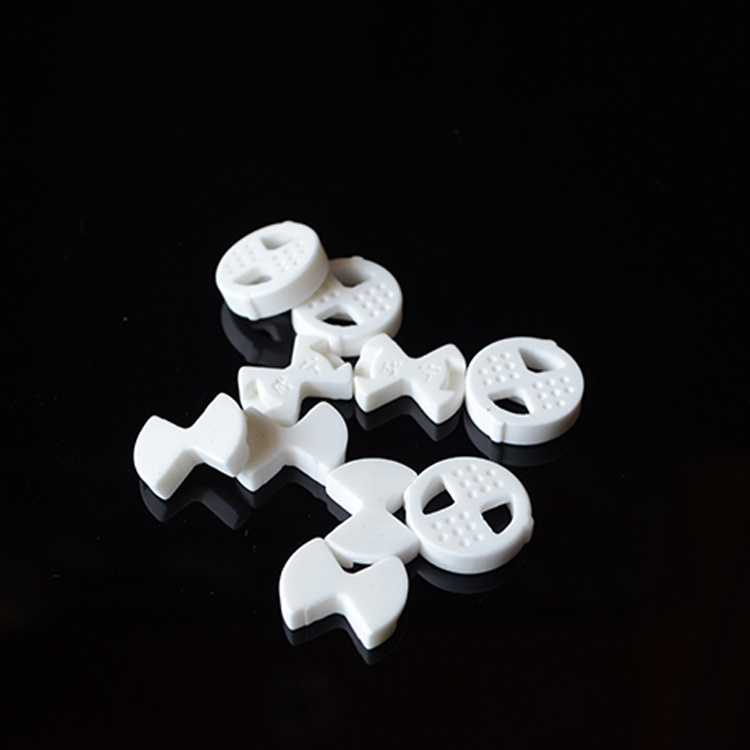
Understanding Aluminium Nitride Ceramic: Properties and Applications in Construction
Time:
2024-12-04 10:00
Source:
Aluminium Nitride (AlN) ceramic is gaining recognition in various industries, including construction, due to its exceptional properties. This advanced material is characterized by its high thermal conductivity, electrical insulation, and resistance to thermal shock. These attributes make Aluminium Nitride Ceramic particularly useful in applications where heat management and insulation are crucial.
One of the standout features of Aluminium Nitride Ceramic is its impressive thermal conductivity, which is significantly higher than that of many traditional ceramic materials. This property allows it to efficiently transfer heat, making it an ideal choice for applications that require excellent heat dissipation. In construction, this can be particularly beneficial for components that are subjected to high temperatures, such as heat exchangers and protective barriers.
In addition to its thermal properties, Aluminium Nitride Ceramic is an excellent electrical insulator. This makes it suitable for various electrical applications, including insulating substrates in electronic devices and components. In the context of building and construction, this property can be leveraged in the design of energy-efficient systems that require reliable insulation to prevent energy loss.
Aluminium Nitride Ceramic also exhibits outstanding mechanical strength and durability, which are essential in construction materials. It can withstand high pressures and is resistant to wear and degradation, making it a long-lasting option for architectural features. This durability extends the lifespan of structures and reduces the need for frequent maintenance or replacement, thereby offering a sustainable option for builders and architects.
Another important aspect of Aluminium Nitride Ceramic is its resistance to chemical corrosion. This property is particularly valuable in environments that expose materials to harsh chemicals or environmental conditions. In construction applications, this capability can help maintain the integrity of structures over time, particularly in industrial or coastal areas where corrosive elements are prevalent.
Furthermore, Aluminium Nitride Ceramic is lightweight compared to traditional construction materials, which can contribute to lower transportation costs and ease of handling on construction sites. Its versatility makes it suitable for a wide range of applications, from decorative tiles to structural components.
In summary, Aluminium Nitride Ceramic is a remarkable material that offers multiple benefits for the construction and decorative materials sector. Its combination of high thermal conductivity, electrical insulation, mechanical strength, chemical resistance, and lightweight nature positions it as an innovative solution for modern construction challenges. As the industry continues to evolve toward more sustainable and efficient materials, Aluminium Nitride Ceramic presents significant potential for architects and builders alike.
One of the standout features of Aluminium Nitride Ceramic is its impressive thermal conductivity, which is significantly higher than that of many traditional ceramic materials. This property allows it to efficiently transfer heat, making it an ideal choice for applications that require excellent heat dissipation. In construction, this can be particularly beneficial for components that are subjected to high temperatures, such as heat exchangers and protective barriers.
In addition to its thermal properties, Aluminium Nitride Ceramic is an excellent electrical insulator. This makes it suitable for various electrical applications, including insulating substrates in electronic devices and components. In the context of building and construction, this property can be leveraged in the design of energy-efficient systems that require reliable insulation to prevent energy loss.
Aluminium Nitride Ceramic also exhibits outstanding mechanical strength and durability, which are essential in construction materials. It can withstand high pressures and is resistant to wear and degradation, making it a long-lasting option for architectural features. This durability extends the lifespan of structures and reduces the need for frequent maintenance or replacement, thereby offering a sustainable option for builders and architects.
Another important aspect of Aluminium Nitride Ceramic is its resistance to chemical corrosion. This property is particularly valuable in environments that expose materials to harsh chemicals or environmental conditions. In construction applications, this capability can help maintain the integrity of structures over time, particularly in industrial or coastal areas where corrosive elements are prevalent.
Furthermore, Aluminium Nitride Ceramic is lightweight compared to traditional construction materials, which can contribute to lower transportation costs and ease of handling on construction sites. Its versatility makes it suitable for a wide range of applications, from decorative tiles to structural components.
In summary, Aluminium Nitride Ceramic is a remarkable material that offers multiple benefits for the construction and decorative materials sector. Its combination of high thermal conductivity, electrical insulation, mechanical strength, chemical resistance, and lightweight nature positions it as an innovative solution for modern construction challenges. As the industry continues to evolve toward more sustainable and efficient materials, Aluminium Nitride Ceramic presents significant potential for architects and builders alike.
Aluminium Nitride Ceramic
INQUIRY FOR PRICELIST
For inquiries about our products or pricelist, please leave to us and. we will be in touch within 24 hours.
MoreFollow Us
Contact Us
Ms.Fanny
Email: sintyron@xtlceramic.com
Complaints and Opinions : anna@xtlceramic.com
TEL:0086-731-23253338
Address:ShenTan Industrial
Area,Hunan,China 412200