

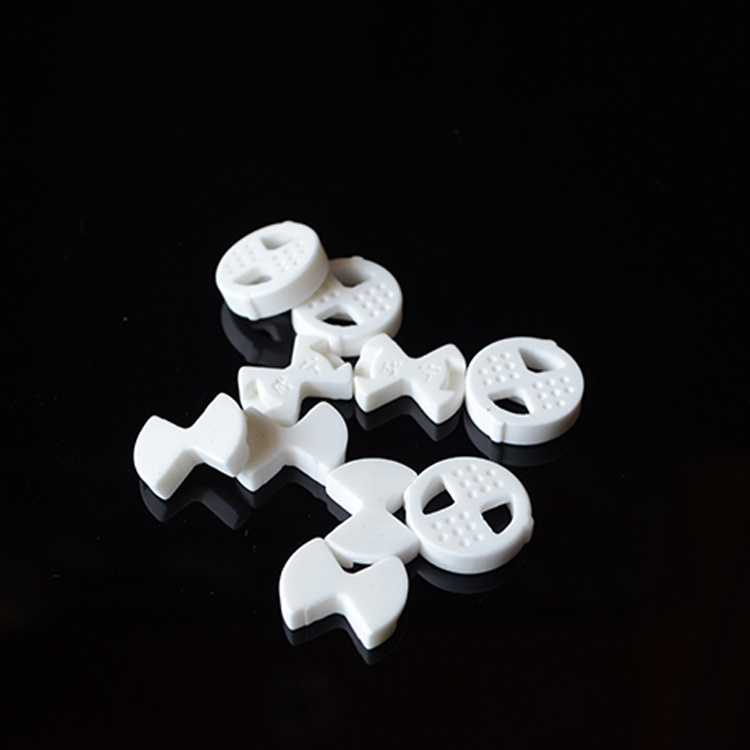
The Transformative Impact of Beo Ceramic Plates on Electronic Materials Performance
Time:
2024-12-10 09:21
Source:
The Transformative Impact of Beo Ceramic Plates on Electronic Materials Performance
Table of Contents
- Introduction to Beo Ceramic Plates
- Unique Properties of Beo Ceramic Plates
- Applications in Electronic Components
- Enhancing Semiconductor Performance
- Durability and Longevity of Beo Ceramic Plates
- Manufacturing Processes of Beo Ceramics
- Environmental Impact and Sustainability
- Future Trends in Beo Ceramic Technology
- Conclusion: The Future of Electronic Materials
- FAQs
Introduction to Beo Ceramic Plates
Beo ceramic plates have emerged as a groundbreaking solution in the realm of electronic materials. With the increasing demand for high-performance components in various industries, including consumer electronics, aerospace, and telecommunications, the need for advanced materials has never been greater. Beo ceramic plates are engineered to meet these demands, providing enhanced performance characteristics that significantly improve the durability and efficiency of electronic devices.
Unique Properties of Beo Ceramic Plates
The efficacy of Beo ceramic plates is rooted in their unique properties, which include:
High Thermal Stability
Beo ceramics can withstand extreme temperatures without losing their structural integrity. This thermal stability is crucial for electronic applications where components are exposed to varying thermal environments.
Excellent Electrical Insulation
One of the standout features of Beo ceramic plates is their remarkable electrical insulation properties. These plates prevent electrical leakage, ensuring that electronic devices operate efficiently without the risk of shorts or failures.
Low Dielectric Loss
Beo ceramics exhibit low dielectric loss, allowing for improved energy efficiency in electronic applications. This property is particularly beneficial for high-frequency circuits and microwave applications.
Mechanical Strength
The mechanical robustness of Beo ceramic plates makes them ideal for use in demanding environments. Their ability to withstand stress and pressure ensures longevity, reducing the need for frequent replacements.
Applications in Electronic Components
Beo ceramic plates find extensive applications across various electronic components, including:
Capacitors
In capacitors, Beo ceramic plates serve as dielectric materials, enhancing charge storage and energy efficiency. Their low dielectric loss contributes to better performance in high-frequency applications.
Resistors
The use of Beo ceramics in resistors ensures stability and reliability, even in high-temperature environments. Their mechanical strength helps maintain performance over time.
Substrates for Microelectronics
Beo ceramic plates are increasingly used as substrates for microelectronic circuits. Their excellent thermal stability and electrical insulation properties make them ideal for supporting complex electronic systems.
Enhancing Semiconductor Performance
The semiconductor industry has benefitted immensely from the integration of Beo ceramic plates. These materials enhance the performance of semiconductors by providing:
Improved Thermal Management
Thermal management is critical in semiconductor applications. Beo ceramic plates facilitate effective heat dissipation, preventing overheating and maintaining optimal functioning of semiconductor devices.
Increased Reliability
The superior mechanical and electrical properties of Beo ceramics lead to increased reliability in semiconductor applications. This reliability is essential for devices that operate under extreme conditions.
Miniaturization of Devices
Beo ceramic plates enable the miniaturization of electronic components without compromising performance. This characteristic is crucial for the development of smaller, more efficient devices.
Durability and Longevity of Beo Ceramic Plates
The durability of Beo ceramic plates translates to long-lasting performance in electronic applications. Their resistance to wear and thermal cycling reduces the likelihood of failure, ensuring that devices maintain their functionality over time.
Resistance to Environmental Factors
Beo ceramics are resistant to various environmental factors, including humidity and corrosive substances. This resistance enhances their suitability for use in diverse environments, from industrial settings to consumer electronics.
Cost-Effectiveness
While the initial investment in Beo ceramic materials may be higher, their durability leads to lower maintenance and replacement costs, making them a cost-effective solution in the long run.
Manufacturing Processes of Beo Ceramics
The production of Beo ceramic plates involves advanced manufacturing processes that ensure high quality and consistency. This section outlines the key steps involved in the creation of Beo ceramics:
Raw Material Selection
The choice of raw materials is critical in determining the properties of Beo ceramic plates. Selecting high-purity materials ensures that the final product meets industry standards.
Sintering Techniques
Sintering is a crucial process in the manufacturing of ceramics. By applying heat and pressure, raw materials are fused together, resulting in dense and strong ceramic plates.
Quality Control Measures
Stringent quality control measures are implemented throughout the manufacturing process to ensure that Beo ceramic plates meet the necessary specifications. This includes testing for thermal and electrical properties.
Environmental Impact and Sustainability
As the electronics industry shifts towards sustainability, Beo ceramics offer an environmentally friendly option. Their longevity reduces waste, and the manufacturing processes can be optimized for lower energy consumption.
Recyclability
Beo ceramic materials can often be recycled, further reducing their environmental footprint. This aspect aligns with the growing emphasis on sustainable manufacturing practices in the electronics industry.
Future Trends in Beo Ceramic Technology
The landscape of electronic materials is evolving, and Beo ceramic technology is at the forefront of this transformation. Future trends may include:
Integration with Nanotechnology
The combination of Beo ceramics with nanotechnology could lead to even more advanced materials, enhancing performance in a range of electronic applications.
Smart Materials
Research into smart materials is exploring how Beo ceramics can adapt to different operating conditions, providing dynamic performance benefits.
Conclusion: The Future of Electronic Materials
Beo ceramic plates play a pivotal role in enhancing the performance of electronic materials. Their unique properties, diverse applications, and durability position them as a crucial component in the advancement of electronic devices. As technology continues to evolve, Beo ceramics will undoubtedly remain at the forefront, driving innovation and improving the reliability of electronic components.
FAQs
1. What are Beo ceramic plates?
Beo ceramic plates are advanced materials used in electronic applications, known for their high thermal stability, electrical insulation, and mechanical strength.
2. How do Beo ceramic plates enhance semiconductor performance?
They improve thermal management, increase reliability, and facilitate miniaturization in semiconductor applications.
3. Are Beo ceramic plates environmentally friendly?
Yes, their durability reduces waste, and they can often be recycled, contributing to sustainable practices in the electronics industry.
4. What manufacturing processes are used for Beo ceramics?
Key processes include raw material selection, sintering techniques, and stringent quality control measures.
5. What future trends can we expect in Beo ceramic technology?
Future trends may involve the integration of nanotechnology and the development of smart materials that adapt to changing conditions.
beo ceramic plate
INQUIRY FOR PRICELIST
For inquiries about our products or pricelist, please leave to us and. we will be in touch within 24 hours.
MoreFollow Us
Contact Us
Ms.Fanny
Email: sintyron@xtlceramic.com
Complaints and Opinions : anna@xtlceramic.com
TEL:0086-731-23253338
Address:ShenTan Industrial
Area,Hunan,China 412200