

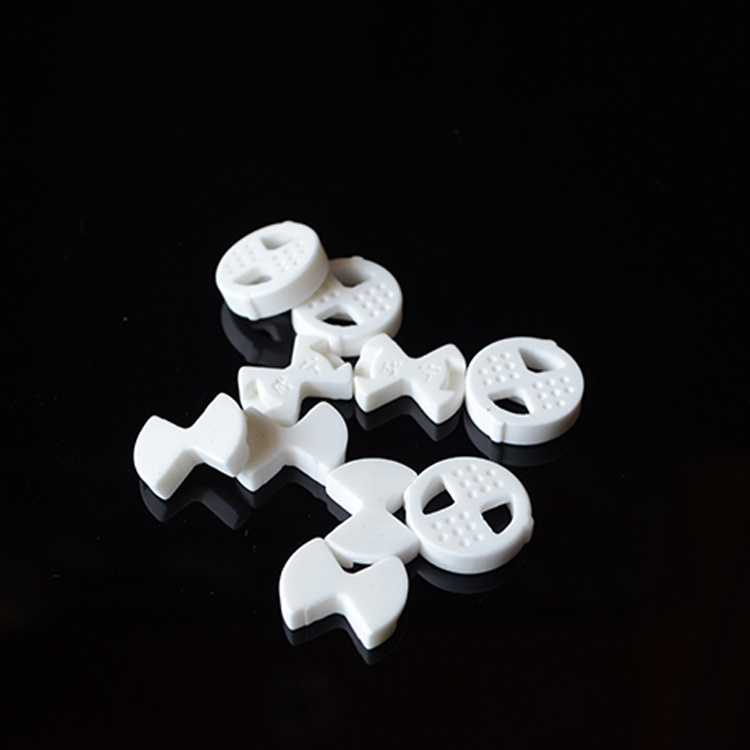
Exploring the Durability of Beryllium Oxide Ceramic Plates in Building Materials
Time:
2024-12-22 09:40
Source:
Exploring the Durability of Beryllium Oxide Ceramic Plates in Building Materials
Table of Contents
- 1. Introduction to Beryllium Oxide Ceramic Plates
- 2. Key Properties of Beryllium Oxide Ceramics
- 3. Applications in Building Materials
- 4. Advantages of Using Beryllium Oxide
- 5. Durability Testing and Standards
- 6. Limitations and Safety Measures
- 7. The Future of Beryllium Oxide in Construction
- 8. Conclusion
- 9. FAQs
1. Introduction to Beryllium Oxide Ceramic Plates
In the realm of construction materials, **beryllium oxide ceramic plates** stand out as one of the most robust and versatile options available. These innovative plates are crafted from beryllium oxide, a compound recognized for its exceptional thermal and mechanical properties. As we delve deeper, we will explore how these attributes make beryllium oxide ceramics an indispensable choice for modern building materials.
2. Key Properties of Beryllium Oxide Ceramics
Understanding the **key properties** of beryllium oxide is essential for evaluating its performance in construction.
2.1 High Thermal Conductivity
Beryllium oxide ceramics exhibit **remarkable thermal conductivity**, making them ideal for applications requiring efficient heat dissipation. This characteristic is particularly beneficial in electrical insulators and heat sinks.
2.2 Mechanical Strength and Hardness
Another standout feature is their **exceptional mechanical strength**. Beryllium oxide plates can withstand significant stress, making them suitable for high-load applications. The hardness of these ceramics also contributes to their durability, ensuring long-lasting performance.
2.3 Chemical Stability
Beryllium oxide is chemically stable, resisting degradation from various environmental factors. This stability ensures that structures incorporating these materials maintain their integrity over time.
2.4 Low Density and Lightweight
The low density of beryllium oxide plates allows for easier handling and installation without compromising strength. This property is advantageous in construction, where weight considerations are critical.
3. Applications in Building Materials
Beryllium oxide ceramic plates have found their way into diverse applications within the building materials sector.
3.1 Use in Electrical Insulation
One prominent application is in **electrical insulation**. Beryllium oxide’s combination of thermal conductivity and electrical resistance makes it ideal for insulating components in electrical infrastructure.
3.2 Structural Components
These ceramic plates serve as **structural components** in various architectural designs. Their mechanical properties allow them to support considerable loads while maintaining aesthetic appeal.
3.3 Heat Exchangers
In systems where heat exchange is critical, such as HVAC units, beryllium oxide ceramics are employed to enhance efficiency and performance.
3.4 Decorative Elements
Beyond functionality, beryllium oxide can also be utilized in **decorative elements**. Its aesthetic versatility allows architects to incorporate these materials creatively without sacrificing durability.
4. Advantages of Using Beryllium Oxide
The decision to integrate beryllium oxide ceramic plates into construction projects comes with a plethora of advantages.
4.1 Enhanced Longevity
Beryllium oxide ceramic plates are known for their **longevity**, reducing the need for frequent replacements, which is both cost-effective and environmentally friendly.
4.2 Resistance to Thermal Shock
These materials exhibit excellent **resistance to thermal shock**, allowing them to perform effectively in environments with rapid temperature changes.
4.3 Lightweight Nature
As mentioned previously, their lightweight nature simplifies handling and installation, enabling faster project completion.
4.4 Eco-Friendly Option
Beryllium oxide is increasingly recognized as an **eco-friendly option** as it can be recycled, contributing to sustainable building practices.
5. Durability Testing and Standards
To ensure that beryllium oxide ceramic plates meet construction standards, rigorous **durability testing** is essential.
5.1 Testing Methods
Several testing methods, including mechanical load tests and thermal cycling tests, are employed to evaluate the durability of these ceramic plates.
5.2 Industry Standards
Compliance with industry standards is critical. Organizations such as ASTM International provide guidelines to ensure materials meet safety and performance benchmarks.
6. Limitations and Safety Measures
While beryllium oxide ceramics offer numerous benefits, it is essential to consider their limitations.
6.1 Cost Considerations
The production cost of beryllium oxide ceramics can be higher than traditional materials, which may deter some builders from using them.
6.2 Health Risks
Exposure to beryllium dust can pose health risks, necessitating strict **safety measures** during handling and installation. Compliance with safety guidelines is essential to mitigate these risks.
7. The Future of Beryllium Oxide in Construction
Looking ahead, the role of beryllium oxide in the construction industry is poised for growth. As demand for durable and energy-efficient materials increases, beryllium oxide ceramic plates will likely become a staple in building design.
7.1 Innovations in Material Science
Advancements in material science are expected to enhance the properties of beryllium oxide, leading to new applications and improved performance.
7.2 Sustainability Trends
With the construction industry moving towards more sustainable practices, the recyclable nature of beryllium oxide will align with these trends, making it a favorable choice for future projects.
8. Conclusion
In conclusion, **beryllium oxide ceramic plates** represent a significant advancement in building materials. Their unique combination of durability, thermal conductivity, and mechanical strength positions them as an advantageous option for modern construction projects. While challenges such as cost and safety must be addressed, the future of beryllium oxide in the construction industry is promising, paving the way for innovative and sustainable building solutions.
9. FAQs
What are the main benefits of beryllium oxide ceramics in construction?
Beryllium oxide ceramics offer high thermal conductivity, exceptional mechanical strength, chemical stability, and lightweight characteristics, making them ideal for various applications in construction.
Are there any health risks associated with beryllium oxide?
Yes, exposure to beryllium dust can pose health risks. It is crucial to follow safety guidelines during handling and installation to mitigate these risks.
How do beryllium oxide plates compare to traditional building materials?
Beryllium oxide plates often outperform traditional materials in terms of durability, thermal management, and weight, though they may come at a higher cost.
What types of applications are most suited for beryllium oxide ceramics?
Beryllium oxide ceramics are particularly well-suited for electrical insulation, structural components, heat exchangers, and decorative elements in buildings.
What is the future outlook for beryllium oxide in the construction industry?
The future of beryllium oxide in construction looks bright due to its durability and eco-friendly properties, aligning with the trend towards sustainable building practices.
beryllium oxide ceramic plate
INQUIRY FOR PRICELIST
For inquiries about our products or pricelist, please leave to us and. we will be in touch within 24 hours.
MoreFollow Us
Contact Us
Ms.Fanny
Email: sintyron@xtlceramic.com
Complaints and Opinions : anna@xtlceramic.com
TEL:0086-731-23253338
Address:ShenTan Industrial
Area,Hunan,China 412200