

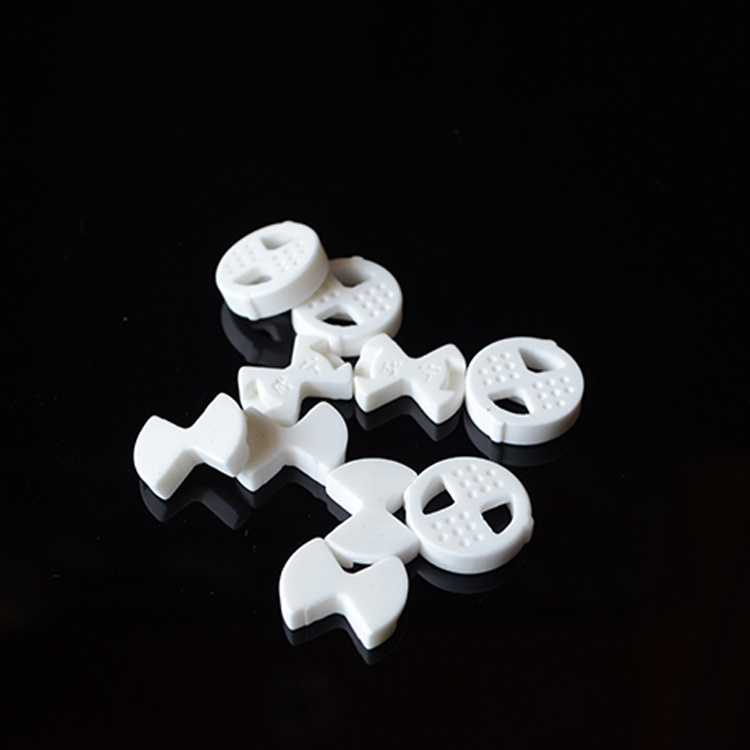
Exploring High Temperature Resistant Customized Components in Ceramic Building Materials
Time:
2025-01-03 11:40
Source:
In the construction and decorative materials sector, particularly within brick and ceramic applications, the demand for high temperature resistant customized components has grown significantly. These components play a crucial role in ensuring the integrity and longevity of structures exposed to extreme temperature variations. Whether it's for residential, commercial, or industrial settings, incorporating high temperature resistant materials can lead to substantial improvements in performance and reliability.
High temperature resistant customized components are specifically designed to withstand elevated temperatures without compromising their structural integrity. This characteristic is particularly important in environments such as fireplaces, kilns, and areas with heavy machinery, where excessive heat can lead to material degradation. By utilizing these components, builders can ensure that their structures not only survive but thrive under challenging conditions.
One of the primary benefits of high temperature resistant customized components is their ability to maintain stability and strength when exposed to heat. Traditional materials may warp, crack, or lose their mechanical properties at elevated temperatures, leading to potential safety hazards and costly repairs. In contrast, high temperature resistant components are engineered to resist these effects, providing peace of mind to architects, builders, and homeowners alike.
Moreover, the customization aspect of these components allows for greater flexibility in design and application. Builders can tailor the dimensions, shapes, and thermal properties of the components to meet specific project requirements. This bespoke approach ensures that the materials align perfectly with the overall design vision while still offering the necessary resistance to heat.
In addition to their functional benefits, high temperature resistant customized components can also enhance the aesthetic appeal of structures. The ceramics used in these components can be produced in a wide range of colors and finishes, allowing for creative expression in architectural design. This means that builders don’t have to sacrifice beauty for performance; they can achieve both through careful selection and customization of materials.
It is also worth noting that the integration of high temperature resistant components can contribute to energy efficiency. In applications such as fireplaces, these materials can help to retain heat, reducing energy consumption in heating systems. This is an important consideration for environmentally conscious builders looking to minimize the carbon footprint of their projects.
In conclusion, high temperature resistant customized components are an essential innovation within the building and decorative materials industry. Their ability to provide durability, safety, and aesthetic versatility makes them a valuable choice for architects and builders. By understanding the advantages these components offer, industry professionals can make informed decisions that enhance both the functionality and beauty of their projects.
High temperature resistant customized components are specifically designed to withstand elevated temperatures without compromising their structural integrity. This characteristic is particularly important in environments such as fireplaces, kilns, and areas with heavy machinery, where excessive heat can lead to material degradation. By utilizing these components, builders can ensure that their structures not only survive but thrive under challenging conditions.
One of the primary benefits of high temperature resistant customized components is their ability to maintain stability and strength when exposed to heat. Traditional materials may warp, crack, or lose their mechanical properties at elevated temperatures, leading to potential safety hazards and costly repairs. In contrast, high temperature resistant components are engineered to resist these effects, providing peace of mind to architects, builders, and homeowners alike.
Moreover, the customization aspect of these components allows for greater flexibility in design and application. Builders can tailor the dimensions, shapes, and thermal properties of the components to meet specific project requirements. This bespoke approach ensures that the materials align perfectly with the overall design vision while still offering the necessary resistance to heat.
In addition to their functional benefits, high temperature resistant customized components can also enhance the aesthetic appeal of structures. The ceramics used in these components can be produced in a wide range of colors and finishes, allowing for creative expression in architectural design. This means that builders don’t have to sacrifice beauty for performance; they can achieve both through careful selection and customization of materials.
It is also worth noting that the integration of high temperature resistant components can contribute to energy efficiency. In applications such as fireplaces, these materials can help to retain heat, reducing energy consumption in heating systems. This is an important consideration for environmentally conscious builders looking to minimize the carbon footprint of their projects.
In conclusion, high temperature resistant customized components are an essential innovation within the building and decorative materials industry. Their ability to provide durability, safety, and aesthetic versatility makes them a valuable choice for architects and builders. By understanding the advantages these components offer, industry professionals can make informed decisions that enhance both the functionality and beauty of their projects.
High Temperature Resistant Customized component
INQUIRY FOR PRICELIST
For inquiries about our products or pricelist, please leave to us and. we will be in touch within 24 hours.
MoreFollow Us
Contact Us
Ms.Fanny
Email: sintyron@xtlceramic.com
Complaints and Opinions : anna@xtlceramic.com
TEL:0086-731-23253338
Address:ShenTan Industrial
Area,Hunan,China 412200