

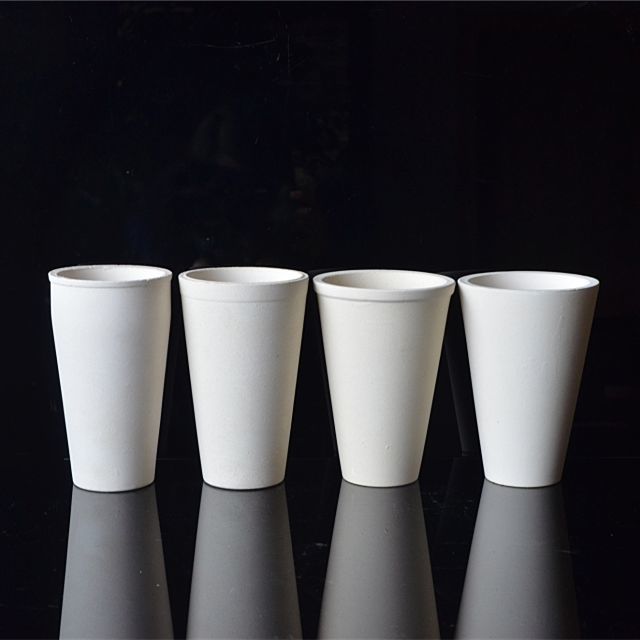
Exploring the Benefits of High Heat Resistance Ceramic Parts in Construction
Time:
2025-01-06 10:40
Source:
Exploring the Benefits of High Heat Resistance Ceramic Parts in Construction
Table of Contents
- 1. Introduction to High Heat Resistance Ceramics
- 2. Understanding Ceramic Materials in Construction
- 3. Key Advantages of High Heat Resistance Ceramics
- 4. Applications of High Heat Resistance Ceramics
- 5. Innovations in Ceramic Technology
- 6. Environmental Impact of Ceramics
- 7. Future Outlook for High Heat Resistance Ceramics
- 8. Frequently Asked Questions
- 9. Conclusion
1. Introduction to High Heat Resistance Ceramics
In the ever-evolving landscape of construction materials, high heat resistance ceramics have emerged as a transformative solution. These materials are engineered to withstand extreme temperatures while providing excellent mechanical properties. As construction practices advance, the need for materials that can endure harsh environments becomes crucial. This article delves into the benefits, applications, and future of high heat resistance ceramic parts in construction.
2. Understanding Ceramic Materials in Construction
Ceramics are inorganic, non-metallic solids that are characterized by their hardness, brittleness, and high melting points. They are composed of a variety of compounds, including oxides, nitrides, and carbides. In construction, ceramics are valued for their strength, thermal resistance, and durability.
High heat resistance ceramics are specifically designed to maintain their integrity and performance in high-temperature applications. Unlike traditional materials that may degrade, warp, or melt, these ceramics remain stable, making them an ideal choice for various construction uses.
3. Key Advantages of High Heat Resistance Ceramics
High heat resistance ceramics offer several advantages that make them a preferred choice in construction.
3.1 Durability and Longevity
One of the most significant benefits of high heat resistance ceramics is their exceptional durability. These materials are resistant to wear, corrosion, and thermal shock, which extends their lifespan significantly compared to conventional materials. This durability translates into reduced maintenance costs and fewer replacements over time, making them an economically sound choice for builders and developers.
3.2 Thermal Stability
Thermal stability is critical in construction, especially in environments exposed to extreme temperatures. High heat resistance ceramics maintain their structural integrity and performance under high heat conditions, ensuring that they do not lose their functionality or strength. This property makes them suitable for applications in industrial settings, such as furnaces or kilns, where temperature fluctuations can be severe.
3.3 Cost Efficiency
While the initial cost of high heat resistance ceramics may be higher than traditional materials, their long-term cost efficiency is notable. Their durability reduces the need for frequent replacements, and their thermal stability can lead to energy savings in temperature-controlled environments. Ultimately, using these materials can result in lower total lifecycle costs, benefiting both contractors and property owners.
4. Applications of High Heat Resistance Ceramics
The versatility of high heat resistance ceramics allows them to be utilized across various construction applications.
4.1 Usage in Building Materials
High heat resistance ceramics are increasingly being integrated into building materials, such as bricks, tiles, and slabs. These materials can endure high temperatures without compromising their structural integrity, making them ideal for buildings in areas prone to wildfires or extreme weather conditions.
4.2 Role in Insulation
In the realm of insulation, high heat resistance ceramics play a vital role. They are employed in thermal barriers and insulating materials that protect buildings from heat loss or gain. This enhances energy efficiency, contributing to greener construction practices and reducing the environmental footprint of buildings.
4.3 Fire-Resistant Coatings
Fire-resistant coatings made from high heat resistance ceramics are crucial in enhancing the safety of structures. These coatings provide an additional layer of protection against fire, preventing flames from spreading and giving occupants more time to evacuate. They are particularly valuable in commercial buildings and industrial facilities where fire hazards are a significant concern.
5. Innovations in Ceramic Technology
The field of high heat resistance ceramics is witnessing continuous innovations. Advances in manufacturing processes have led to the development of new ceramic composites that exhibit enhanced properties. Research is ongoing into nanoceramics, which promise even greater heat resistance and mechanical strength. These innovations are set to further expand the applications of ceramics in construction.
6. Environmental Impact of Ceramics
Sustainability is an essential consideration in modern construction practices. High heat resistance ceramics are typically made from abundant natural materials and can be recycled, reducing their environmental impact. Furthermore, their energy-efficient properties contribute to lower energy consumption in buildings, aligning with global sustainability goals.
7. Future Outlook for High Heat Resistance Ceramics
The future of high heat resistance ceramics in construction looks promising. With increasing awareness of sustainability and the need for durable building materials, the demand for these ceramics is expected to rise. As technology continues to advance, we can anticipate more innovative applications and improved material properties that will further solidify their role in the construction industry.
8. Frequently Asked Questions
What are high heat resistance ceramics?
High heat resistance ceramics are specialized materials designed to withstand extreme temperatures without losing integrity or performance. They are used in various applications within the construction industry.
How do high heat resistance ceramics compare to traditional materials?
Compared to traditional materials, high heat resistance ceramics offer superior durability, thermal stability, and long-term cost efficiency, making them ideal for high-temperature applications.
What are the common applications of high heat resistance ceramics in construction?
Common applications include building materials, insulation, and fire-resistant coatings, all of which benefit from the unique properties of ceramics.
Are high heat resistance ceramics environmentally friendly?
Yes, high heat resistance ceramics are made from natural materials and can be recycled, contributing to sustainability in construction practices.
What innovations are being made in ceramic technology?
Innovations include the development of new ceramic composites and nanoceramics, which promise enhanced properties and greater applications in construction.
9. Conclusion
High heat resistance ceramics represent a significant advancement in construction materials, offering exceptional durability, thermal stability, and cost efficiency. Their applications in building materials, insulation, and fire-resistant coatings highlight their versatility and importance in modern construction practices. As innovations in ceramic technology continue to emerge, these materials will play an increasingly vital role in creating safer, more sustainable buildings. The shift towards high heat resistance ceramics marks a promising future for the construction industry, aligning with global sustainability goals while ensuring long-lasting performance and reliability.
High heat resistance Ceramic part
INQUIRY FOR PRICELIST
For inquiries about our products or pricelist, please leave your inquiry and we will be in touch within 24 hours.
MoreFollow Us
Contact Us
Ms.Fanny
Email: sintyron@xtlceramic.com
Complaints and Opinions : anna@xtlceramic.com
Telephone:0086-731-23253338
Address:ShenTan Industrial
Area,Hunan,China 412200