

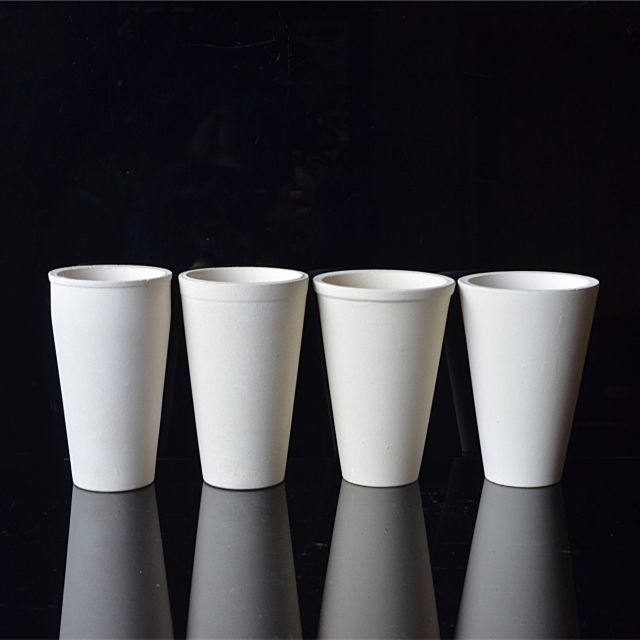
Understanding Alumina Ceramic Substrate: A Key Component in Modern Construction
Time:
2025-02-25 15:00
Source:
Alumina ceramic substrates are gaining popularity in the construction and decorative materials industry, particularly in the realm of brick and ceramic building materials. These substrates, primarily composed of aluminum oxide (Al2O3), exhibit exceptional properties that contribute to their effectiveness and versatility in various applications.
One of the most significant advantages of alumina ceramic substrates is their high thermal stability. This property makes them particularly suitable for applications that require materials to withstand extreme temperatures without deforming or degrading. In the context of construction, this is crucial for elements exposed to high heat, such as certain flooring materials, hearths, and wall finishes. Moreover, their thermal insulation capability can enhance energy efficiency in buildings, making them not just durable but also eco-friendly options.
Another compelling feature of alumina ceramic substrates is their outstanding mechanical strength. They can endure considerable stress without cracking or breaking, thereby providing reliability and longevity in construction applications. This robustness is essential when used in structural elements or decorative finishes that must maintain their integrity over time.
Alumina ceramic substrates are also known for their low porosity, which translates into superior resistance against moisture and various chemicals. This characteristic is vital in environments where exposure to water or corrosive substances is a concern, ensuring that the substrates remain intact and visually appealing for years. In addition, their surface is easy to clean and maintain, making them an attractive choice for both residential and commercial spaces.
The aesthetic versatility of alumina ceramic substrates is another reason for their growing use in the building and decoration sectors. They can be manufactured in a wide array of colors, textures, and finishes, allowing architects and designers to create unique and customized looks without compromising on structural integrity. This flexibility enables the incorporation of alumina substrates into modern architectural designs, further expanding their application range.
In summary, alumina ceramic substrates represent a crucial component in the building materials sector, particularly in the ceramic tile and brick markets. Their high thermal stability, mechanical strength, low porosity, and aesthetic versatility make them a preferred choice for construction professionals seeking durable and reliable materials. Understanding the benefits and applications of alumina ceramic substrates can help industry professionals make informed decisions when selecting materials for their projects, ensuring both quality and longevity in their designs.
Alumina Ceramic Substrate
INQUIRY FOR PRICELIST
For inquiries about our products or pricelist, please leave your inquiry and we will be in touch within 24 hours.
MoreFollow Us
Contact Us
Ms.Fanny
Email: sintyron@xtlceramic.com
Complaints and Opinions : anna@xtlceramic.com
Telephone:0086-731-23253338
Address:ShenTan Industrial
Area,Hunan,China 412200