

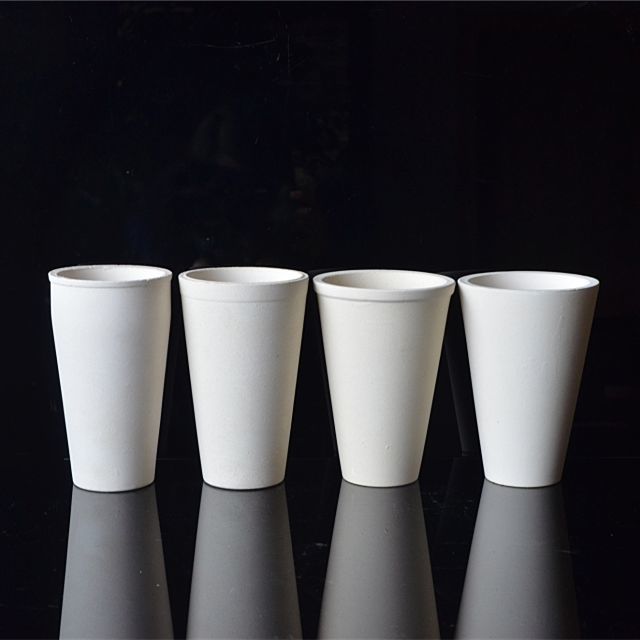
Exploring the Benefits of Using Alumina Ceramic Substrate in Construction
Time:
2025-03-02 14:40
Source:
Exploring the Benefits of Using Alumina Ceramic Substrate in Construction
Table of Contents
- 1. Introduction to Alumina Ceramic Substrates
- 2. What is Alumina Ceramic?
- 3. Key Properties of Alumina Ceramic Substrates
- 4. Applications of Alumina Ceramic Substrates in Construction
- 5. Advantages of Using Alumina Ceramic Substrates
- 6. Installation Process of Alumina Ceramic Substrates
- 7. Maintenance and Care for Alumina Ceramic Substrates
- 8. FAQs About Alumina Ceramic Substrates
- 9. Conclusion
1. Introduction to Alumina Ceramic Substrates
In recent years, the construction industry has witnessed a significant shift towards innovative materials that offer superior performance and longevity. **Alumina ceramic substrates**, known for their excellent mechanical and thermal properties, have emerged as a leading choice for various construction applications. This article will explore the numerous benefits of using alumina ceramic substrates, providing valuable insights for architects, builders, and contractors.
2. What is Alumina Ceramic?
**Alumina ceramic** is a type of advanced ceramic material primarily composed of aluminum oxide (Al2O3). This compound is known for its exceptional hardness, making it a popular choice in industrial applications. The production of alumina ceramic involves sophisticated processes that enhance its purity and structural integrity.
With its high density and excellent wear resistance, alumina ceramic is utilized in various sectors, including electronics, medical devices, and construction. In the realm of construction, its utility is largely attributed to its outstanding physical and chemical properties, which are indispensable for modern building projects.
3. Key Properties of Alumina Ceramic Substrates
Understanding the properties of alumina ceramic substrates is crucial for recognizing their advantages in construction. Here are some key properties that make them an excellent choice for various applications:
3.1 Durability
Alumina ceramic substrates boast remarkable durability, making them ideal for high-traffic areas and environments subject to heavy wear. Their hardness is significantly greater than that of traditional materials, allowing them to withstand impacts without chipping or cracking. This durability translates to lower maintenance costs and extended lifespans, which are critical factors in construction.
3.2 Thermal Stability
Another significant advantage of alumina ceramics is their **thermal stability**. They are capable of withstanding extreme temperatures without deforming or losing structural integrity. This property is particularly beneficial in building applications where thermal insulation is required, such as in exterior facades and roofing materials. The ability to maintain performance under thermal stress enhances energy efficiency within buildings.
3.3 Chemical Resilience
Alumina ceramic substrates exhibit excellent chemical resistance, making them suitable for use in environments exposed to corrosive substances. Their resistance to acids, alkalis, and solvents ensures that they maintain their appearance and functionality over time. This resilience is particularly important in industrial settings or areas where chemical spills may occur.
4. Applications of Alumina Ceramic Substrates in Construction
The versatility of alumina ceramic substrates allows for their application in various aspects of construction. Here are some of the most common uses:
4.1 Flooring Solutions
Alumina ceramic substrates are increasingly being used in flooring solutions due to their durability and aesthetic appeal. Available in various designs, colors, and finishes, they can mimic the appearance of natural stone or wood while offering superior durability and ease of maintenance. This makes them a popular choice for residential and commercial flooring alike.
4.2 Wall Tiles and Facades
In addition to flooring, alumina ceramics are extensively used in wall tiles and facades. Their aesthetic versatility allows architects to create stunning visual designs while ensuring longevity and performance. The use of alumina ceramic substrates in exterior applications provides excellent protection against weathering, UV rays, and other environmental factors, ensuring that buildings maintain their visual appeal over time.
4.3 Insulation Materials
Alumina ceramic substrates also play a crucial role in thermal insulation applications. Their lightweight and thermal insulating properties make them ideal for use in energy-efficient building designs, contributing to reduced energy costs and improved comfort levels within structures.
5. Advantages of Using Alumina Ceramic Substrates
When it comes to selecting materials for construction, alumina ceramic substrates offer several advantages that benefit both builders and end-users.
5.1 Cost-Effectiveness
While the initial investment in alumina ceramic substrates may be higher than traditional materials, their long-term cost-effectiveness is undeniable. The durability and low maintenance requirements translate to significant savings over the lifespan of a building. Additionally, the energy efficiency contributed by their insulating properties can lead to reduced heating and cooling costs.
5.2 Sustainability
Sustainability is a growing concern in the construction industry, and alumina ceramic substrates contribute positively to this aspect. Made from naturally abundant materials, alumina ceramics can be manufactured with lower environmental impact compared to other materials. Furthermore, their longevity reduces the need for replacements, which contributes to resource conservation.
6. Installation Process of Alumina Ceramic Substrates
Installing alumina ceramic substrates requires careful planning and execution to ensure optimal performance and longevity. The installation process typically involves several key steps:
1. **Preparation**: The area must be cleaned and leveled to ensure a proper fit of the ceramic substrates.
2. **Cutting**: Depending on the design, the substrates may need to be cut to size using specialized tools to achieve the desired fit.
3. **Adhesive Application**: A suitable adhesive is applied to the surface to secure the substrates in place. It's important to select an adhesive compatible with alumina ceramics to ensure a strong bond.
4. **Placement**: The substrates are carefully positioned and pressed into place, ensuring that there are no gaps or misalignments.
5. **Grouting**: Once the adhesive has cured, grout is applied to fill any joints, providing additional stability and a finished appearance.
6. **Sealing**: In some cases, a sealant may be applied to enhance the substrates' water resistance and longevity.
7. Maintenance and Care for Alumina Ceramic Substrates
Maintaining alumina ceramic substrates is relatively straightforward, thanks to their inherent properties. The following practices can help ensure their longevity:
- **Regular Cleaning**: Routine cleaning with mild detergents and warm water will keep surfaces looking new. Avoid using harsh chemicals that may damage the substrate.
- **Avoid Abrasive Tools**: When cleaning, use soft cloths or non-abrasive sponges to prevent scratching the surface.
- **Inspection**: Periodically inspect for any signs of wear or damage, addressing issues promptly to prevent further deterioration.
8. FAQs About Alumina Ceramic Substrates
1. What are alumina ceramic substrates used for?
Alumina ceramic substrates are primarily used in construction for flooring, wall tiles, facades, and thermal insulation applications due to their durability and thermal stability.
2. Are alumina ceramics environmentally friendly?
Yes, alumina ceramics are made from naturally occurring materials and can significantly reduce the need for replacements, contributing to sustainability in construction.
3. How do alumina ceramic substrates compare to traditional materials?
Alumina ceramic substrates generally offer superior durability, thermal stability, and chemical resistance compared to traditional materials, although they may come with a higher initial cost.
4. Can alumina ceramic substrates be customized for specific designs?
Absolutely! Alumina ceramic substrates are available in a variety of designs, colors, and finishes, making them highly customizable for specific aesthetic requirements.
5. What is the lifespan of alumina ceramic substrates?
With proper care and maintenance, alumina ceramic substrates can last for decades, making them a long-term investment in construction.
9. Conclusion
The use of **alumina ceramic substrates** in construction offers a multitude of benefits that cater to the evolving demands of modern building practices. Their durability, thermal stability, and chemical resilience make them an ideal choice for various applications, from flooring to insulation. By opting for alumina ceramic substrates, builders and architects not only enhance the performance and aesthetic appeal of their projects but also contribute to sustainable construction practices. As the industry continues to innovate, the role of alumina ceramics will undoubtedly become increasingly pivotal in shaping the future of construction.
Alumina Ceramic Substrate
INQUIRY FOR PRICELIST
For inquiries about our products or pricelist, please leave your inquiry and we will be in touch within 24 hours.
MoreFollow Us
Contact Us
Ms.Fanny
Email: sintyron@xtlceramic.com
Complaints and Opinions : anna@xtlceramic.com
Telephone:0086-731-23253338
Address:ShenTan Industrial
Area,Hunan,China 412200