

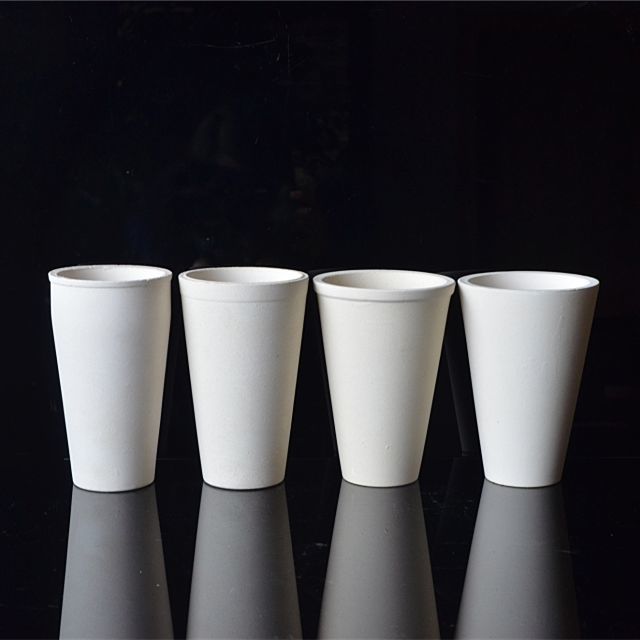
Why Choose Alumina Ceramic Substrate for Your Next Building Project?
Time:
2025-03-12 13:40
Source:
Why Choose Alumina Ceramic Substrate for Your Next Building Project?
Introduction to Alumina Ceramic Substrates
Alumina ceramic substrates have emerged as a pivotal choice in the construction and decoration materials industry. Their unique properties make them suitable for various applications, particularly in environments where durability and reliability are paramount. In this article, we will delve into the reasons why alumina ceramic substrates are gaining popularity in building projects, shedding light on their advantages, applications, and long-term benefits.
The Composition and Properties of Alumina Ceramic
Alumina, or aluminum oxide (Al2O3), is a compound known for its impressive physical and chemical properties. The creation of alumina ceramic involves a complex process of sintering, which enhances its strength and resilience. Some key properties of alumina ceramics include:
High Mechanical Strength
Alumina ceramics possess exceptional mechanical strength, making them resistant to wear and tear. This characteristic allows them to withstand heavy loads and harsh environmental conditions, making them ideal for structural applications.
Thermal Stability
One of the standout features of alumina is its remarkable thermal stability. It can endure high temperatures without undergoing significant changes in properties, which is crucial for applications in thermal environments, such as industrial furnaces or high-temperature installations.
Chemical Resistance
Alumina ceramic substrates exhibit outstanding resistance to various chemicals, including acids and alkalis. This makes them suitable for use in environments exposed to harsh chemicals, ensuring longevity and reducing the need for frequent replacements.
Electrical Insulation
Alumina ceramics are excellent electrical insulators, which is vital for applications in electronics and electrical engineering. This property prevents the risk of electrical interference and enhances the safety of building projects.
Advantages of Using Alumina Ceramic Substrates
Choosing alumina ceramic substrates for your building project comes with a multitude of advantages that can significantly impact both the short and long-term success of the project.
Durability and Longevity
One of the most compelling reasons to opt for alumina ceramic substrates is their durability. Unlike traditional materials that may degrade over time, alumina ceramics maintain their integrity, reducing the frequency of repairs and replacements. This longevity translates into cost savings and a lower environmental impact.
Eco-Friendly Option
In an age where sustainability is paramount, alumina ceramics offer an environmentally friendly alternative. They are made from natural materials, and their long lifespan contributes to reducing waste. Moreover, the production process of alumina ceramics generates minimal emissions compared to other materials.
Versatile Applications
Alumina ceramic substrates are incredibly versatile. They can be used in a wide array of applications, including:
- Building facades
- Flooring and wall tiles
- Electrical insulators
- Thermal barriers
This versatility makes them a fantastic choice for architects and builders looking for materials that can fulfill multiple roles.
Aesthetic Appeal
Beyond their practical advantages, alumina ceramic substrates also offer aesthetic benefits. Available in various colors, textures, and finishes, these materials can enhance the visual appeal of any building project, allowing for creative designs that meet modern architectural trends.
Applications of Alumina Ceramic Substrates in Building and Construction
The application of alumina ceramic substrates extends beyond mere decoration; they serve essential functions in structural integrity and safety. Here, we explore some critical applications in various sectors:
Residential Building Projects
In residential construction, alumina ceramic substrates can be utilized for flooring, wall cladding, and countertops. Their durability ensures that homes remain attractive and functional even with the wear and tear of everyday life.
Commercial and Industrial Buildings
For commercial buildings, alumina ceramics are frequently used in high-traffic areas due to their resilience. Industrial settings benefit from their chemical and thermal resistance, making them suitable for manufacturing plants and laboratories.
Infrastructure and Public Works
In infrastructure projects, such as bridges and highways, alumina ceramic substrates can enhance durability. Their robust properties help maintain structural integrity even in extreme conditions, contributing to safety and longevity.
Future Trends in the Use of Alumina Ceramics
As technology advances, the applications of alumina ceramics continue to expand. Emerging trends include their use in smart building technologies, integrating sensors and systems that monitor structural health, which speaks to the future of construction materials.
Comparing Alumina Ceramic Substrates with Other Materials
While alumina ceramic substrates offer numerous benefits, it’s essential to compare them with other common materials used in construction to understand their unique advantages.
Alumina vs. Traditional Ceramic Materials
Traditional ceramics may not possess the same level of mechanical strength and thermal stability as alumina ceramics. As a result, while they can be aesthetically pleasing, they may require more frequent replacements and repairs, increasing long-term costs.
Alumina vs. Metal Substrates
Metal substrates, although strong and durable, can suffer from corrosion over time. In contrast, alumina ceramics resist chemical attack, providing a more reliable option in environments where moisture and chemicals are present.
FAQs about Alumina Ceramic Substrates
1. What makes alumina ceramic substrates suitable for high-temperature applications?
Alumina ceramics can withstand extreme temperatures without degrading, making them ideal for use in ovens, kilns, and other high-heat environments.
2. Are alumina ceramic substrates environmentally friendly?
Yes, alumina ceramics are made from natural materials and have a long lifespan, which contributes to sustainability and reduces waste.
3. How do alumina ceramic substrates compare to porcelain tiles?
While porcelain tiles are durable, alumina ceramics offer superior mechanical strength, thermal stability, and chemical resistance, making them more versatile in various applications.
4. Can alumina ceramic substrates be used in outdoor applications?
Absolutely! Their resistance to weather elements and chemicals makes alumina ceramics an excellent choice for outdoor installations, including patios and facades.
5. What maintenance is required for alumina ceramic substrates?
Alumina ceramics are low-maintenance materials. Regular cleaning with mild detergents is usually sufficient to maintain their appearance and durability.
Conclusion
In conclusion, alumina ceramic substrates stand out as a superior choice for building projects due to their many advantages, including durability, thermal stability, and aesthetic appeal. As the construction industry continues to evolve, choosing materials that meet both functional and environmental standards is essential. Alumina ceramics provide a comprehensive solution that aligns with modern construction demands, ensuring that your next building project will not only be robust but also sustainable and visually appealing. As you plan your construction needs, consider the unparalleled benefits of alumina ceramic substrates for a successful and long-lasting outcome.
Alumina Ceramic Substrate
INQUIRY FOR PRICELIST
For inquiries about our products or pricelist, please leave your inquiry and we will be in touch within 24 hours.
MoreFollow Us
Contact Us
Ms.Fanny
Email: sintyron@xtlceramic.com
Complaints and Opinions : anna@xtlceramic.com
Telephone:0086-731-23253338
Address:ShenTan Industrial
Area,Hunan,China 412200