

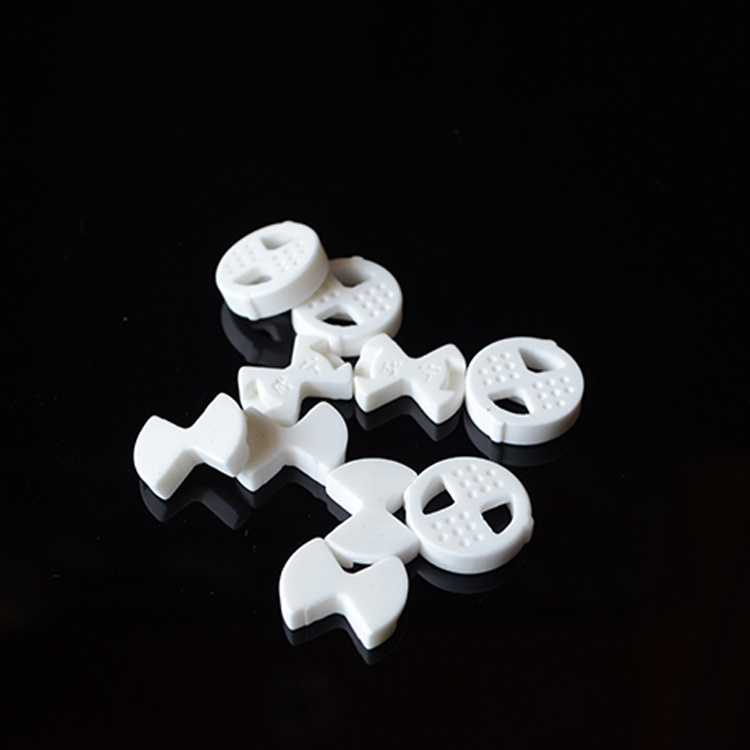
The Role of High Temperature Resistant Customized Components in Modern Architecture
Time:
2025-05-11 14:00
Source:
The Role of High Temperature Resistant Customized Components in Modern Architecture
In today's architectural landscape, the importance of high temperature resistant customized components cannot be overstated. As buildings evolve to meet the demands of modern living, architects and builders increasingly rely on innovative materials that offer both aesthetic appeal and functional resilience. This article will explore the significance of these components, their various applications, and how they contribute to the overall safety and longevity of architectural structures.
Understanding High Temperature Resistance in Components
High temperature resistant materials are designed to withstand extreme heat without losing their structural integrity. These materials are often used in environments where fire hazards are a concern, such as in industrial facilities, commercial kitchens, and even residential settings. The properties of these materials make them essential in modern architecture, where safety and durability are paramount.
What are Customized Components?
Customized components refer to materials and structures specifically engineered to meet the unique demands of a project. In the context of high temperature resistance, these components can be tailored to various shapes, sizes, and specifications, ensuring that they fit seamlessly within an architectural design. Customization allows architects to innovate while adhering to safety standards and aesthetic requirements.
Applications of High Temperature Resistant Components in Architecture
The versatility of high temperature resistant components allows for a wide range of applications in architectural projects. Here are some of the most notable uses:
1. Facades and Cladding
Architects often use high temperature resistant materials for building facades and cladding. These components not only enhance the aesthetic appeal of a structure but also provide crucial fire resistance. Options like ceramic tiles and specialized glass can be employed to create stunning exterior designs while protecting the building from heat-related damage.
2. Roofing Systems
High temperature resistant roofing components are essential for structures located in areas prone to extreme weather conditions. These materials help prevent heat-related degradation, ensuring that roofs maintain their integrity over time. For instance, ceramic and metal roofing can withstand intense heat, protecting the underlying structure.
3. Interior Design Elements
In interior spaces, high temperature resistant components can be utilized in various applications, such as fireplaces, kitchen countertops, and wall panels. These materials not only enhance the aesthetic of the interior but also provide safety features that prevent fire hazards, making them ideal for residential and commercial environments.
4. Structural Supports
Structural supports made from high temperature resistant materials contribute significantly to the overall stability and safety of a building. These components ensure that the structure can withstand high heat without compromising its integrity, making them essential in places like industrial factories and power plants.
Benefits of High Temperature Resistant Customized Components
The incorporation of high temperature resistant customized components in modern architecture brings numerous advantages:
1. Enhanced Safety and Compliance
One of the primary benefits of using high temperature resistant materials is the enhanced safety they provide. Architects and builders can comply with stringent safety regulations, minimizing the risk of fire hazards in both residential and commercial buildings.
2. Increased Durability and Longevity
These components are engineered to endure extreme temperatures, which translates into increased durability. Buildings designed with high temperature resistant materials are likely to have a longer lifespan, reducing the need for repairs and replacements.
3. Aesthetic Versatility
High temperature resistant materials come in various styles, colors, and finishes, allowing architects to maintain their design vision without sacrificing safety. This versatility enables creative expression while adhering to functional requirements.
4. Cost-Effectiveness
While high temperature resistant materials may come with a higher initial investment, their durability leads to cost savings over time. Fewer repairs and lower maintenance needs result in a more economical solution in the long run.
Technological Advancements in High Temperature Resistant Materials
The field of architectural materials is continuously evolving, with new technologies enhancing the performance of high temperature resistant components. Innovations in manufacturing processes, such as 3D printing and nano-coating, allow for even greater customization and efficiency.
1. 3D Printing
3D printing technology enables the creation of complex shapes and structures with high temperature resistant materials, offering unprecedented customization options. This innovation allows architects to bring their most ambitious designs to life.
2. Nano-Coatings
Nano-coatings enhance the thermal resistance of various materials, providing an additional layer of protection against heat. These coatings can be applied to traditional materials, improving their performance without altering their appearance.
Case Studies: Successful Implementations
To illustrate the effectiveness of high temperature resistant customized components, let’s examine a few notable architectural projects:
1. The Burj Khalifa, Dubai
The Burj Khalifa, the tallest building in the world, utilizes high temperature resistant materials in its facade and structural components. This design not only ensures aesthetic appeal but also enhances safety in a region known for its extreme heat.
2. The Sydney Opera House, Australia
The iconic Sydney Opera House features high temperature resistant ceramic tiles on its roof. These tiles provide both aesthetic beauty and thermal protection, showcasing how functionality and design can coexist harmoniously.
Choosing the Right High Temperature Resistant Components
When selecting high temperature resistant components for a project, several factors must be considered:
1. Project Requirements
Understanding the specific requirements of the project, including safety standards, aesthetic goals, and budget constraints, is crucial in selecting the right components.
2. Material Properties
Different materials offer varying levels of heat resistance, durability, and aesthetic appeal. Evaluating the properties of potential materials will help ensure the best choice for the project.
3. Manufacturer Reputation
Selecting a reliable manufacturer with a proven track record in producing high temperature resistant materials is essential. Quality assurance and adherence to safety standards are critical components of this selection process.
Future Trends in High Temperature Resistant Architecture
As technology advances, the future of high temperature resistant architecture looks promising. Emerging trends include:
1. Sustainable Materials
With an increasing focus on sustainability, the development of eco-friendly high temperature resistant materials is on the rise. These materials not only offer heat resistance but also minimize environmental impact.
2. Smart Materials
Smart materials that respond to environmental changes are becoming more prevalent. These materials can enhance energy efficiency and provide additional safety features, representing a significant advancement in architectural design.
FAQs about High Temperature Resistant Customized Components
1. What are high temperature resistant components made from?
High temperature resistant components are typically made from specialized materials such as ceramics, metals, and composites designed to withstand extreme heat without losing structural integrity.
2. How do these components improve safety in buildings?
These components enhance safety by reducing the risk of fire hazards and ensuring that buildings can withstand high heat scenarios, thereby protecting occupants and property.
3. Are high temperature resistant materials more expensive than traditional materials?
While they may have a higher upfront cost, the increased durability and reduced maintenance needs often make them more cost-effective in the long run.
4. How can I ensure I’m choosing the right components for my project?
Consider project requirements, evaluate material properties, and select reputable manufacturers to ensure you choose the best high temperature resistant components for your needs.
5. What are some examples of high temperature resistant materials?
Examples include ceramic tiles, refractory bricks, and specialized metals, all of which offer various levels of heat resistance and durability for architectural applications.
Conclusion
The role of high temperature resistant customized components in modern architecture is vital for achieving a balance between safety, durability, and aesthetic appeal. As architects continue to push the boundaries of design, these materials will play an increasingly significant role in shaping the built environment. From innovative facades to resilient structural supports, high temperature resistant components are not just a trend—they are a cornerstone of contemporary architectural practice. By understanding their applications, benefits, and future potential, key stakeholders in the architecture and construction industries can ensure the successful integration of these advanced materials into their projects.
High Temperature Resistant Customized component
INQUIRY FOR PRICELIST
For inquiries about our products or pricelist, please leave to us and. we will be in touch within 24 hours.
MoreFollow Us
Contact Us
Ms.Fanny
Email: sintyron@xtlceramic.com
Complaints and Opinions : anna@xtlceramic.com
TEL:0086-731-23253338
Address:ShenTan Industrial
Area,Hunan,China 412200