

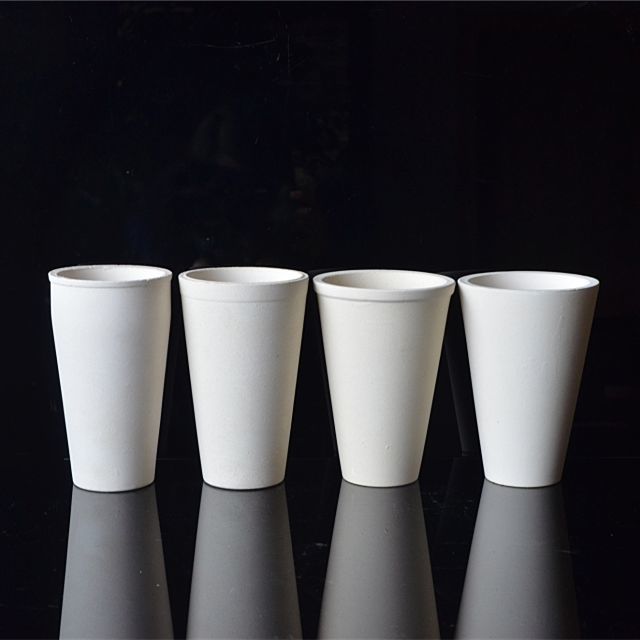
Understanding Alumina Zirconia Ceramic Parts: A Key Material in Construction and Decoration
Time:
2025-06-05 10:40
Source:
Alumina Zirconia ceramic parts are increasingly recognized in the construction and decoration materials sector for their unique properties and versatility. Composed primarily of aluminum oxide (Alumina) and zirconium dioxide (Zirconia), these ceramics combine the best characteristics of both materials, resulting in a high-performance solution suitable for various applications.
One of the most notable characteristics of Alumina Zirconia is its exceptional hardness. This property makes it highly resistant to wear and abrasion, making it ideal for use in environments where durability is paramount. In construction, this means that Alumina Zirconia parts can withstand the stresses of heavy use, whether in floor tiles, decorative elements, or structural components.
Another significant advantage of Alumina Zirconia is its high-temperature stability. Unlike traditional ceramic materials, which may crack or degrade under extreme conditions, Alumina Zirconia maintains its integrity in elevated temperatures. This makes it particularly useful in applications such as fireplace surrounds or heat-resistant tiles, where materials must endure intense heat without compromising performance.
In addition to its mechanical properties, Alumina Zirconia ceramic parts also offer aesthetic advantages. They can be manufactured in various colors and finishes, allowing architects and designers to incorporate them seamlessly into their projects. The aesthetic versatility of Alumina Zirconia enhances its appeal in decorative applications, such as wall cladding, mosaics, and artistic installations, providing both beauty and functionality.
Furthermore, Alumina Zirconia is highly resistant to chemical corrosion, which is a crucial factor in construction, especially in environments exposed to harsh chemicals or moisture. This resistance ensures that Alumina Zirconia parts will not easily degrade or discolor, maintaining their appearance and structural integrity over time. This quality is particularly beneficial in bathroom fixtures and kitchen surfaces, areas that frequently encounter water and cleaning agents.
Sustainability is another facet of Alumina Zirconia that appeals to modern construction practices. The materials used in its production can often be sourced responsibly, and the longevity of Alumina Zirconia parts means they need to be replaced less frequently than other materials, reducing waste over time.
In conclusion, Alumina Zirconia ceramic parts represent an advanced and reliable choice for professionals in the construction and decoration industry. Their combination of durability, aesthetic appeal, thermal stability, and chemical resistance makes them suitable for a wide range of applications. As the industry continues to evolve, incorporating innovative materials like Alumina Zirconia will undoubtedly play a crucial role in developing modern, sustainable, and aesthetically pleasing building solutions.
One of the most notable characteristics of Alumina Zirconia is its exceptional hardness. This property makes it highly resistant to wear and abrasion, making it ideal for use in environments where durability is paramount. In construction, this means that Alumina Zirconia parts can withstand the stresses of heavy use, whether in floor tiles, decorative elements, or structural components.
Another significant advantage of Alumina Zirconia is its high-temperature stability. Unlike traditional ceramic materials, which may crack or degrade under extreme conditions, Alumina Zirconia maintains its integrity in elevated temperatures. This makes it particularly useful in applications such as fireplace surrounds or heat-resistant tiles, where materials must endure intense heat without compromising performance.
In addition to its mechanical properties, Alumina Zirconia ceramic parts also offer aesthetic advantages. They can be manufactured in various colors and finishes, allowing architects and designers to incorporate them seamlessly into their projects. The aesthetic versatility of Alumina Zirconia enhances its appeal in decorative applications, such as wall cladding, mosaics, and artistic installations, providing both beauty and functionality.
Furthermore, Alumina Zirconia is highly resistant to chemical corrosion, which is a crucial factor in construction, especially in environments exposed to harsh chemicals or moisture. This resistance ensures that Alumina Zirconia parts will not easily degrade or discolor, maintaining their appearance and structural integrity over time. This quality is particularly beneficial in bathroom fixtures and kitchen surfaces, areas that frequently encounter water and cleaning agents.
Sustainability is another facet of Alumina Zirconia that appeals to modern construction practices. The materials used in its production can often be sourced responsibly, and the longevity of Alumina Zirconia parts means they need to be replaced less frequently than other materials, reducing waste over time.
In conclusion, Alumina Zirconia ceramic parts represent an advanced and reliable choice for professionals in the construction and decoration industry. Their combination of durability, aesthetic appeal, thermal stability, and chemical resistance makes them suitable for a wide range of applications. As the industry continues to evolve, incorporating innovative materials like Alumina Zirconia will undoubtedly play a crucial role in developing modern, sustainable, and aesthetically pleasing building solutions.
Alumina Zirconia cermaic part
INQUIRY FOR PRICELIST
For inquiries about our products or pricelist, please leave your inquiry and we will be in touch within 24 hours.
MoreFollow Us
Contact Us
Ms.Fanny
Email: sintyron@xtlceramic.com
Complaints and Opinions : anna@xtlceramic.com
Telephone:0086-731-23253338
Address:ShenTan Industrial
Area,Hunan,China 412200