

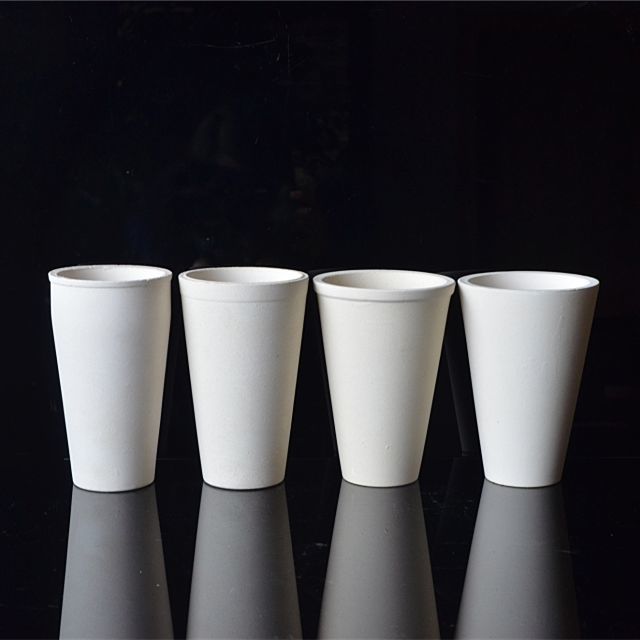
Understanding Magnesia Cupel: A Key Component in Ceramic and Stone Materials
Time:
2025-09-02 17:01
Source:
Magnesia cupel, a type of refractory material, plays a crucial role in various applications within the construction and decorative materials industry, particularly in ceramics. Composed primarily of magnesium oxide (MgO), magnesia cupel exhibits exceptional thermal stability and resistance to high temperatures. This makes it an ideal component for processes that require durability and resilience, such as those involved in brick and stone materials.
One of the most prominent uses of magnesia cupel is in the production of ceramics, where it is utilized in kiln linings and other high-temperature applications. Its ability to withstand extreme heat without degrading is essential for the successful firing of ceramic products. This property not only enhances the quality of the final product but also contributes to energy efficiency during the firing process. As professionals in the construction and decorative materials sector seek to optimize their manufacturing processes, incorporating magnesia cupel can lead to significant improvements in performance and product longevity.
In addition to its thermal properties, magnesia cupel is also valued for its chemical stability. It resists reactions with other materials, providing a reliable barrier in various industrial applications. For example, in the context of ceramic manufacturing, its non-reactive nature ensures that the integrity of the ceramic body is maintained throughout the firing process. This advantage is particularly important for professionals aiming to achieve specific aesthetic qualities and durability in their ceramic products.
The versatility of magnesia cupel extends beyond ceramics. It is also utilized in the production of refractory bricks and castables, which are essential for constructing furnaces, kilns, and other high-temperature environments. The inclusion of magnesia cupel in these materials enhances their mechanical strength and thermal shock resistance, making them suitable for demanding applications in industries ranging from metallurgy to glass manufacturing.
For industry professionals, understanding the benefits and applications of magnesia cupel can provide a competitive edge. By leveraging this material's unique properties, manufacturers can improve their production efficiency, enhance product quality, and ensure greater customer satisfaction. Whether you are involved in the creation of decorative ceramics or high-performance refractory products, considering the role of magnesia cupel in your processes is essential.
In summary, magnesia cupel is a vital component in the realm of construction and decorative materials, particularly in ceramics. Its thermal stability, chemical resistance, and versatility make it an invaluable asset for professionals looking to innovate and improve their manufacturing practices. By incorporating magnesia cupel into your materials, you can achieve superior results that meet the evolving demands of the industry.
One of the most prominent uses of magnesia cupel is in the production of ceramics, where it is utilized in kiln linings and other high-temperature applications. Its ability to withstand extreme heat without degrading is essential for the successful firing of ceramic products. This property not only enhances the quality of the final product but also contributes to energy efficiency during the firing process. As professionals in the construction and decorative materials sector seek to optimize their manufacturing processes, incorporating magnesia cupel can lead to significant improvements in performance and product longevity.
In addition to its thermal properties, magnesia cupel is also valued for its chemical stability. It resists reactions with other materials, providing a reliable barrier in various industrial applications. For example, in the context of ceramic manufacturing, its non-reactive nature ensures that the integrity of the ceramic body is maintained throughout the firing process. This advantage is particularly important for professionals aiming to achieve specific aesthetic qualities and durability in their ceramic products.
The versatility of magnesia cupel extends beyond ceramics. It is also utilized in the production of refractory bricks and castables, which are essential for constructing furnaces, kilns, and other high-temperature environments. The inclusion of magnesia cupel in these materials enhances their mechanical strength and thermal shock resistance, making them suitable for demanding applications in industries ranging from metallurgy to glass manufacturing.
For industry professionals, understanding the benefits and applications of magnesia cupel can provide a competitive edge. By leveraging this material's unique properties, manufacturers can improve their production efficiency, enhance product quality, and ensure greater customer satisfaction. Whether you are involved in the creation of decorative ceramics or high-performance refractory products, considering the role of magnesia cupel in your processes is essential.
In summary, magnesia cupel is a vital component in the realm of construction and decorative materials, particularly in ceramics. Its thermal stability, chemical resistance, and versatility make it an invaluable asset for professionals looking to innovate and improve their manufacturing practices. By incorporating magnesia cupel into your materials, you can achieve superior results that meet the evolving demands of the industry.
magnesia cupel
INQUIRY FOR PRICELIST
For inquiries about our products or pricelist, please leave your inquiry and we will be in touch within 24 hours.
MoreFollow Us
Contact Us
Ms.Fanny
Email: sintyron@xtlceramic.com
Complaints and Opinions : anna@xtlceramic.com
Telephone:0086-731-23253338
Address:ShenTan Industrial
Area,Hunan,China 412200