

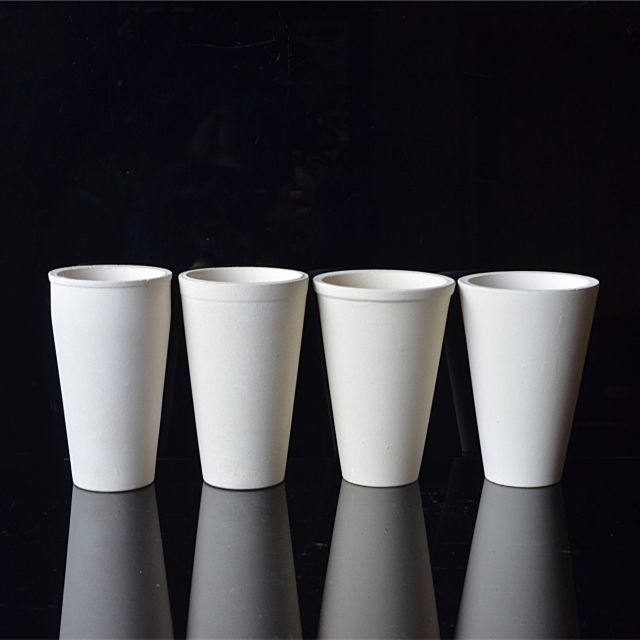
Why Beryllium Oxide Ceramic Plates are Essential in Modern Construction
Time:
2025-09-11 11:20
Source:
Why Beryllium Oxide Ceramic Plates are Essential in Modern Construction
Introduction to Beryllium Oxide Ceramic Plates
Beryllium Oxide (BeO) ceramic plates have emerged as a game-changer in the construction industry. Their unique combination of thermal stability, mechanical strength, and electrical insulation properties makes them an indispensable material in modern construction applications. In this article, we delve deep into the properties, advantages, and various applications of Beryllium Oxide ceramic plates, highlighting their growing importance in construction projects worldwide.
Understanding Beryllium Oxide: Composition and Characteristics
Chemical Composition
Beryllium Oxide is a compound formed from beryllium and oxygen, with the chemical formula BeO. This unique composition endows it with remarkable physical and chemical properties that set it apart from other ceramic materials.
Physical Properties
Beryllium Oxide ceramic plates exhibit several notable physical properties, including:
- **High Thermal Conductivity**: One of the standout features of BeO is its exceptional thermal conductivity, which often exceeds that of metals like aluminum and copper. This property makes it ideal for thermal management in construction applications.
- **Mechanical Strength**: Beryllium Oxide has a high-strength-to-weight ratio, enabling it to withstand significant mechanical stress without cracking or breaking. This durability is crucial in structural applications.
- **Electrical Insulation**: With its excellent electrical insulating properties, BeO is widely used in applications requiring high voltage insulation, making it an ideal choice for electrical components within building systems.
Chemical Stability
Beryllium Oxide is chemically stable and resistant to corrosion, making it suitable for both indoor and outdoor applications. This chemical resilience ensures longevity and reduces maintenance costs in construction projects.
Applications of Beryllium Oxide Ceramic Plates in Modern Construction
1. Thermal Management Systems
Beryllium Oxide ceramic plates are increasingly utilized in thermal management systems due to their high thermal conductivity. They are integrated into heating, ventilation, and air conditioning (HVAC) systems to optimize energy efficiency and maintain comfortable indoor environments.
2. Electrical Insulation in Building Systems
The electrical insulation properties of BeO make it essential for various electrical applications in construction. It is commonly used in components such as insulators, circuit boards, and protective housings, ensuring safety and functionality in electrical installations.
3. Structural Components
Beryllium Oxide's mechanical strength allows it to be used in load-bearing applications. Architectural features, structural supports, and reinforcement elements made from BeO ceramic plates provide enhanced durability and resistance to environmental stresses.
4. Thermal Barrier Coatings
In high-temperature applications, Beryllium Oxide ceramic plates serve as effective thermal barrier coatings. These coatings protect underlying materials from heat damage, ensuring the integrity of structures subjected to extreme temperatures.
5. Aerospace and Defense Applications
Although the primary focus is on construction, Beryllium Oxide ceramic plates play a vital role in aerospace and defense sectors. They are used in radar systems, satellite technology, and electronic warfare equipment, showcasing their versatility beyond traditional construction.
The Benefits of Using Beryllium Oxide Ceramic Plates
Enhanced Performance
The superior properties of Beryllium Oxide ceramic plates lead to enhanced performance in various applications. Their ability to manage heat effectively and provide electrical insulation contributes to the overall efficiency and safety of construction projects.
Cost-Effectiveness
While the initial investment in Beryllium Oxide materials may be higher than traditional options, the long-term benefits far outweigh the costs. Reduced maintenance needs, lower energy consumption, and improved durability contribute to significant savings over time.
Environmental Sustainability
Beryllium Oxide ceramic plates offer a sustainable solution for modern construction. Their durability and resistance to degradation reduce the need for frequent replacements, minimizing waste and environmental impact.
Design Flexibility
The versatility of Beryllium Oxide allows architects and builders to incorporate it seamlessly into various design elements. Its aesthetic appeal, combined with functional advantages, makes it a favored choice in contemporary architecture.
Challenges and Safety Considerations
Handling and Exposure Risks
While Beryllium Oxide offers numerous benefits, it is essential to address safety concerns associated with its handling. Beryllium dust can pose health risks when inhaled. Therefore, stringent safety protocols and protective measures must be in place during manufacturing and installation.
Regulatory Compliance
Construction projects utilizing Beryllium Oxide need to comply with environmental and safety regulations. Adhering to guidelines set by organizations such as the Occupational Safety and Health Administration (OSHA) ensures safe use while maintaining project standards.
Future Trends in Beryllium Oxide Ceramic Plates
Advancements in Manufacturing Techniques
Innovations in manufacturing processes are likely to enhance the production of Beryllium Oxide ceramic plates, making them more accessible and cost-effective. Research into alternative synthesis methods could lead to improved properties and applications.
Integration with Smart Technologies
As smart building technologies continue to advance, integrating Beryllium Oxide ceramic plates with IoT devices can optimize performance in real-time. This integration can enhance energy efficiency, monitoring, and control systems within construction settings.
FAQs about Beryllium Oxide Ceramic Plates
1. What are Beryllium Oxide ceramic plates made of?
Beryllium Oxide ceramic plates are primarily composed of beryllium and oxygen, forming a durable and thermally conductive ceramic material.
2. How are Beryllium Oxide ceramic plates used in construction?
They are used in thermal management systems, electrical insulation, structural components, thermal barrier coatings, and even in aerospace applications.
3. Are there any health risks associated with Beryllium Oxide?
Yes, inhaling Beryllium dust can pose health risks. Proper handling and safety protocols must be implemented during manufacturing and installation.
4. What advantages do Beryllium Oxide ceramic plates offer over traditional materials?
They provide superior thermal conductivity, mechanical strength, electrical insulation, and chemical stability, making them more efficient and durable.
5. How do Beryllium Oxide ceramic plates contribute to sustainability in construction?
Their durability reduces the need for frequent replacements, lowering waste and environmental impact, contributing positively to sustainable construction practices.
Conclusion
Beryllium Oxide ceramic plates have established themselves as essential components in modern construction, offering a unique blend of properties that significantly enhance performance, durability, and efficiency. Their applications span various areas, from thermal management to structural integrity, making them invaluable to builders and architects. As the industry continues to evolve, the integration of Beryllium Oxide into construction practices promises to drive innovation and sustainability in ways that address the challenges of tomorrow. Embracing this advanced material could be the key to building safer, more efficient, and environmentally responsible structures.
beryllium oxide ceramic plate
INQUIRY FOR PRICELIST
For inquiries about our products or pricelist, please leave your inquiry and we will be in touch within 24 hours.
MoreFollow Us
Contact Us
Ms.Fanny
Email: sintyron@xtlceramic.com
Complaints and Opinions : anna@xtlceramic.com
Telephone:0086-731-23253338
Address:ShenTan Industrial
Area,Hunan,China 412200