

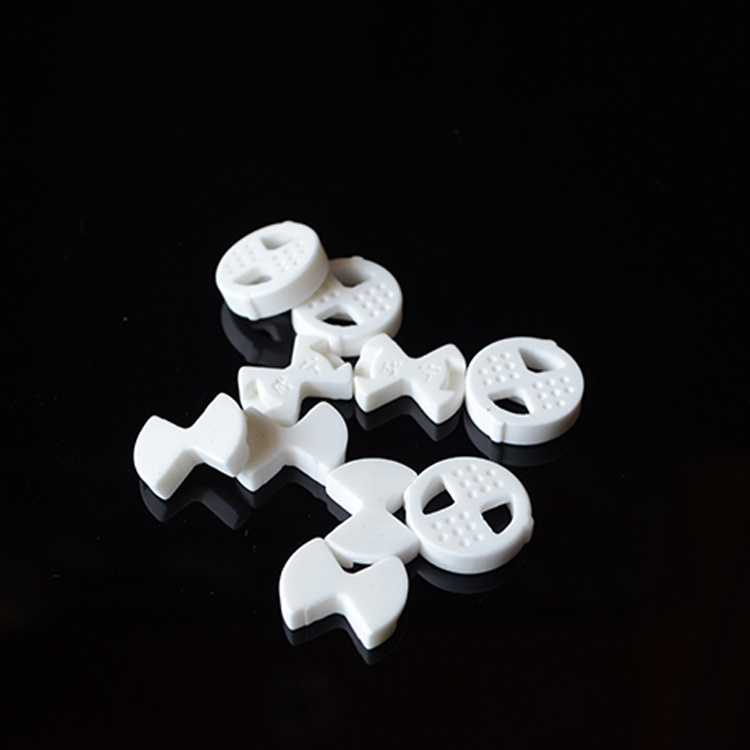
Understanding Al2O3 Alumina Ceramic Plates: Properties and Applications in Construction
Time:
2025-10-11 12:10
Source:
Al2O3, commonly known as alumina, is a versatile ceramic material that plays a significant role in various industries, particularly in building and decorative materials. Alumina ceramic plates are renowned for their exceptional properties, making them a preferred choice in construction applications.
One of the most notable features of Al2O3 alumina ceramic plates is their impressive mechanical strength. These plates exhibit high hardness levels, which make them resistant to wear and tear, making them ideal for flooring, wall coverings, and other surfaces that experience heavy traffic or stress. The durability of alumina ceramics extends their lifespan, reducing the need for frequent replacements and maintenance, which is particularly beneficial in commercial and industrial settings.
Another compelling advantage of Al2O3 ceramic plates is their thermal stability. These materials can withstand high temperatures without deforming or losing their structural integrity, making them suitable for thermal insulation applications. In construction, this property is crucial for areas exposed to extreme heat or fire, ensuring safety and longevity.
Additionally, Al2O3 alumina ceramics are chemically inert, meaning they do not react with most chemicals. This feature makes them an excellent choice for environments where exposure to harsh substances is a concern, such as laboratories, kitchens, or industrial settings. Their resistance to corrosion and staining ensures that they maintain their aesthetic appeal over time, which is particularly valuable in decorative applications.
The versatility of Al2O3 alumina ceramic plates is further enhanced by their ability to be manufactured in various sizes and shapes, allowing for creative and functional designs in architectural applications. Whether for accent pieces, structural components, or decorative facades, these plates can be tailored to meet specific project requirements.
In addition to their physical properties, Al2O3 alumina ceramics are also an eco-friendly option. The production process of alumina ceramics often involves sustainable practices, and their long lifespan contributes to reducing waste in construction projects. As the industry increasingly focuses on sustainable materials, alumina ceramics present a viable solution without compromising quality or performance.
In conclusion, Al2O3 alumina ceramic plates represent a remarkable material choice for the building and decorative materials sector. With their strength, thermal stability, chemical resistance, and eco-friendliness, these ceramic plates offer numerous advantages for a wide range of applications. By understanding the properties and potential uses of Al2O3 alumina ceramics, professionals can make informed decisions that enhance both functionality and aesthetics in their projects.
One of the most notable features of Al2O3 alumina ceramic plates is their impressive mechanical strength. These plates exhibit high hardness levels, which make them resistant to wear and tear, making them ideal for flooring, wall coverings, and other surfaces that experience heavy traffic or stress. The durability of alumina ceramics extends their lifespan, reducing the need for frequent replacements and maintenance, which is particularly beneficial in commercial and industrial settings.
Another compelling advantage of Al2O3 ceramic plates is their thermal stability. These materials can withstand high temperatures without deforming or losing their structural integrity, making them suitable for thermal insulation applications. In construction, this property is crucial for areas exposed to extreme heat or fire, ensuring safety and longevity.
Additionally, Al2O3 alumina ceramics are chemically inert, meaning they do not react with most chemicals. This feature makes them an excellent choice for environments where exposure to harsh substances is a concern, such as laboratories, kitchens, or industrial settings. Their resistance to corrosion and staining ensures that they maintain their aesthetic appeal over time, which is particularly valuable in decorative applications.
The versatility of Al2O3 alumina ceramic plates is further enhanced by their ability to be manufactured in various sizes and shapes, allowing for creative and functional designs in architectural applications. Whether for accent pieces, structural components, or decorative facades, these plates can be tailored to meet specific project requirements.
In addition to their physical properties, Al2O3 alumina ceramics are also an eco-friendly option. The production process of alumina ceramics often involves sustainable practices, and their long lifespan contributes to reducing waste in construction projects. As the industry increasingly focuses on sustainable materials, alumina ceramics present a viable solution without compromising quality or performance.
In conclusion, Al2O3 alumina ceramic plates represent a remarkable material choice for the building and decorative materials sector. With their strength, thermal stability, chemical resistance, and eco-friendliness, these ceramic plates offer numerous advantages for a wide range of applications. By understanding the properties and potential uses of Al2O3 alumina ceramics, professionals can make informed decisions that enhance both functionality and aesthetics in their projects.
al2o3 alumina ceramic plate
INQUIRY FOR PRICELIST
For inquiries about our products or pricelist, please leave to us and. we will be in touch within 24 hours.
MoreFollow Us
Contact Us
Ms.Fanny
Email: sintyron@xtlceramic.com
Complaints and Opinions : anna@xtlceramic.com
TEL:0086-731-23253338
Address:ShenTan Industrial
Area,Hunan,China 412200