

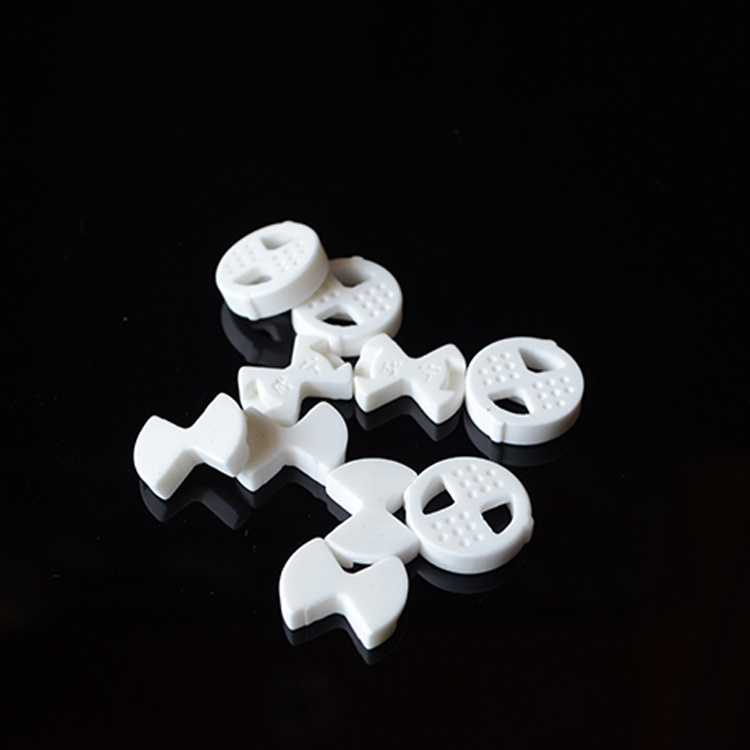
Understanding Al2O3 Alumina Ceramic Plates: Properties and Applications in Construction
Time:
2025-10-17 12:00
Source:
Al2O3 alumina ceramic plates are increasingly gaining attention in the construction and decoration materials sector, particularly in the field of brick and stone materials. These ceramic plates are primarily composed of aluminum oxide (Al2O3), which confers a range of beneficial properties that make them suitable for various applications in architecture and design.
One of the standout features of Al2O3 alumina ceramic plates is their exceptional hardness and durability. With a hardness rating of about 9 on the Mohs scale, these plates are among the hardest materials available, making them highly resistant to wear, scratching, and impact. This hardness is particularly advantageous in high-traffic areas or environments where materials are likely to face heavy use.
In addition to their hardness, Al2O3 alumina ceramic plates exhibit excellent thermal stability and resistance to temperature fluctuations. This makes them suitable for use in environments that experience extreme temperatures, such as industrial kitchens or facilities that require high-temperature resistance. Their ability to withstand thermal shock without cracking further enhances their utility in various construction applications.
Another noteworthy property of these ceramic plates is their resistance to chemical corrosion. Al2O3 is chemically stable and does not react with most acids and alkalis, making these plates ideal for use in laboratories, manufacturing plants, and other environments where exposure to harsh chemicals is a concern. This characteristic not only extends the lifespan of the materials but also ensures safety and ease of maintenance.
Moreover, the aesthetic appeal of Al2O3 alumina ceramic plates cannot be overlooked. They can be manufactured in a variety of finishes, colors, and textures, making them suitable for decorative applications as well. Whether used as wall cladding, floor tiles, or countertops, these plates can enhance the visual appeal of any space while providing all the functional benefits associated with ceramic materials.
The lightweight nature of Al2O3 alumina ceramic plates also contributes to their popularity in modern construction. Being lighter than many traditional materials allows for easier handling, installation, and transport. This is particularly beneficial in scenarios where minimizing structural load is a critical consideration.
In summary, Al2O3 alumina ceramic plates stand out as a versatile and high-performance material in the construction and decoration materials industry. With their exceptional hardness, thermal stability, chemical resistance, and aesthetic versatility, they present a reliable choice for architects and builders looking to innovate and create durable, beautiful spaces. Understanding the properties and potential applications of these ceramic plates can empower professionals in the industry to make informed decisions that enhance their projects.
One of the standout features of Al2O3 alumina ceramic plates is their exceptional hardness and durability. With a hardness rating of about 9 on the Mohs scale, these plates are among the hardest materials available, making them highly resistant to wear, scratching, and impact. This hardness is particularly advantageous in high-traffic areas or environments where materials are likely to face heavy use.
In addition to their hardness, Al2O3 alumina ceramic plates exhibit excellent thermal stability and resistance to temperature fluctuations. This makes them suitable for use in environments that experience extreme temperatures, such as industrial kitchens or facilities that require high-temperature resistance. Their ability to withstand thermal shock without cracking further enhances their utility in various construction applications.
Another noteworthy property of these ceramic plates is their resistance to chemical corrosion. Al2O3 is chemically stable and does not react with most acids and alkalis, making these plates ideal for use in laboratories, manufacturing plants, and other environments where exposure to harsh chemicals is a concern. This characteristic not only extends the lifespan of the materials but also ensures safety and ease of maintenance.
Moreover, the aesthetic appeal of Al2O3 alumina ceramic plates cannot be overlooked. They can be manufactured in a variety of finishes, colors, and textures, making them suitable for decorative applications as well. Whether used as wall cladding, floor tiles, or countertops, these plates can enhance the visual appeal of any space while providing all the functional benefits associated with ceramic materials.
The lightweight nature of Al2O3 alumina ceramic plates also contributes to their popularity in modern construction. Being lighter than many traditional materials allows for easier handling, installation, and transport. This is particularly beneficial in scenarios where minimizing structural load is a critical consideration.
In summary, Al2O3 alumina ceramic plates stand out as a versatile and high-performance material in the construction and decoration materials industry. With their exceptional hardness, thermal stability, chemical resistance, and aesthetic versatility, they present a reliable choice for architects and builders looking to innovate and create durable, beautiful spaces. Understanding the properties and potential applications of these ceramic plates can empower professionals in the industry to make informed decisions that enhance their projects.
al2o3 alumina ceramic plate
INQUIRY FOR PRICELIST
For inquiries about our products or pricelist, please leave to us and. we will be in touch within 24 hours.
MoreFollow Us
Contact Us
Ms.Fanny
Email: sintyron@xtlceramic.com
Complaints and Opinions : anna@xtlceramic.com
TEL:0086-731-23253338
Address:ShenTan Industrial
Area,Hunan,China 412200