

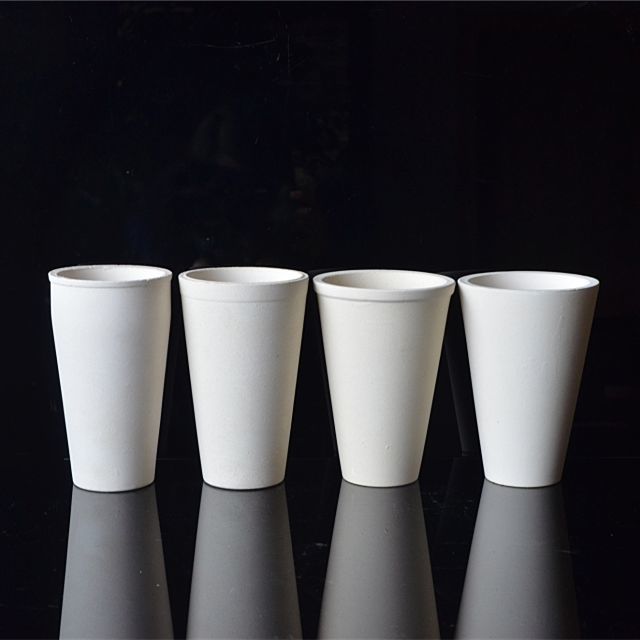
Unlocking the Potential of Pyrolytic Boron Nitride Crucibles in Ceramics
Time:
2025-12-07 12:00
Source:
Pyrolytic boron nitride (PBN) crucibles are increasingly gaining attention in the ceramics field, particularly due to their exceptional thermal stability and chemical resistance. These specialized crucibles are manufactured through the pyrolysis of boron nitride, resulting in a material that exhibits unique properties advantageous for various applications, especially in high-temperature environments.
One of the standout features of PBN crucibles is their ability to withstand extreme temperatures, often exceeding 2000°C, without compromising structural integrity. This makes them ideal for processes involving the melting or sintering of advanced ceramics, where maintaining precise temperature control is crucial. The high thermal conductivity of pyrolytic boron nitride also facilitates efficient heat transfer, ensuring uniform heating of materials, which is vital for achieving desired properties in ceramic products.
In addition to their thermal properties, PBN crucibles offer excellent chemical resistance. They are inert to a wide range of materials, including metals and various oxides, making them suitable for applications that require interaction with aggressive substances. This quality not only extends the lifespan of the crucibles but also minimizes contamination risks during processes like sintering or casting.
Another significant advantage of using pyrolytic boron nitride crucibles is their lightweight nature compared to traditional refractory materials. This reduces the overall weight of the equipment used in high-temperature furnaces, leading to easier handling and lower energy consumption during transport and setup. Furthermore, the smooth surface of PBN crucibles minimizes material adhesion, facilitating easier demolding and cleanup, which is crucial in the fast-paced ceramics sector.
For professionals in the building and decorative materials industry, especially those focused on brick and stone materials, integrating PBN crucibles into your processes can lead to improved efficiency and product quality. These crucibles can be utilized in the production of high-performance ceramics, contributing to innovations in material science that meet rising consumer demands for durable and aesthetically pleasing products.
Moreover, as the industry moves towards more sustainable and eco-friendly practices, the durability and reusability of PBN crucibles align with these trends. Their long service life coupled with minimal waste generation makes them an attractive option for manufacturers seeking to enhance their sustainability profiles.
In summary, pyrolytic boron nitride crucibles represent a significant advancement in the ceramics manufacturing process. Their unparalleled thermal stability, chemical resistance, lightweight nature, and ease of use make them an invaluable tool for professionals in the building and decorative materials industry. Embracing this technology could not only optimize production processes but also elevate the quality of ceramic offerings in the market.
One of the standout features of PBN crucibles is their ability to withstand extreme temperatures, often exceeding 2000°C, without compromising structural integrity. This makes them ideal for processes involving the melting or sintering of advanced ceramics, where maintaining precise temperature control is crucial. The high thermal conductivity of pyrolytic boron nitride also facilitates efficient heat transfer, ensuring uniform heating of materials, which is vital for achieving desired properties in ceramic products.
In addition to their thermal properties, PBN crucibles offer excellent chemical resistance. They are inert to a wide range of materials, including metals and various oxides, making them suitable for applications that require interaction with aggressive substances. This quality not only extends the lifespan of the crucibles but also minimizes contamination risks during processes like sintering or casting.
Another significant advantage of using pyrolytic boron nitride crucibles is their lightweight nature compared to traditional refractory materials. This reduces the overall weight of the equipment used in high-temperature furnaces, leading to easier handling and lower energy consumption during transport and setup. Furthermore, the smooth surface of PBN crucibles minimizes material adhesion, facilitating easier demolding and cleanup, which is crucial in the fast-paced ceramics sector.
For professionals in the building and decorative materials industry, especially those focused on brick and stone materials, integrating PBN crucibles into your processes can lead to improved efficiency and product quality. These crucibles can be utilized in the production of high-performance ceramics, contributing to innovations in material science that meet rising consumer demands for durable and aesthetically pleasing products.
Moreover, as the industry moves towards more sustainable and eco-friendly practices, the durability and reusability of PBN crucibles align with these trends. Their long service life coupled with minimal waste generation makes them an attractive option for manufacturers seeking to enhance their sustainability profiles.
In summary, pyrolytic boron nitride crucibles represent a significant advancement in the ceramics manufacturing process. Their unparalleled thermal stability, chemical resistance, lightweight nature, and ease of use make them an invaluable tool for professionals in the building and decorative materials industry. Embracing this technology could not only optimize production processes but also elevate the quality of ceramic offerings in the market.
pyrolytic boron nitride crucible
INQUIRY FOR PRICELIST
For inquiries about our products or pricelist, please leave your inquiry and we will be in touch within 24 hours.
MoreFollow Us
Contact Us
Ms.Fanny
Email: sintyron@xtlceramic.com
Complaints and Opinions : anna@xtlceramic.com
Telephone:0086-731-23253338
Address:ShenTan Industrial
Area,Hunan,China 412200