

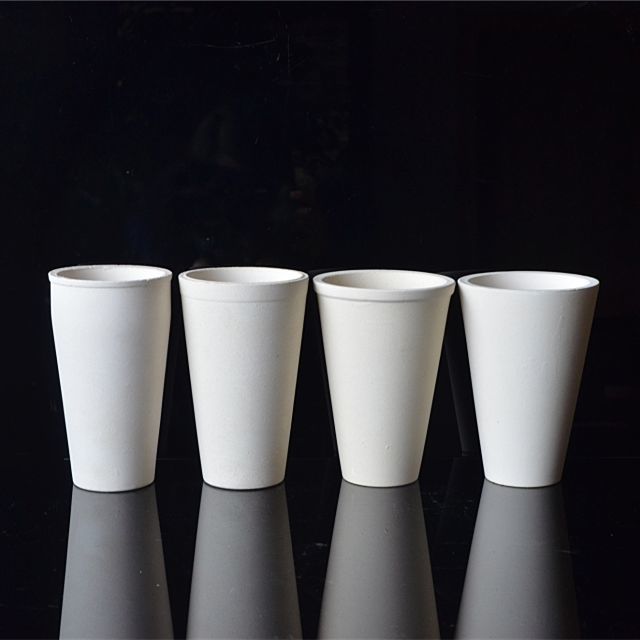
Choosing the Right Ceramic Fire Clay Fire Assay Crucible for Your Project: A Comprehensive Guide
Time:
2025-12-10 13:00
Source:
Choosing the Right Ceramic Fire Clay Fire Assay Crucible for Your Project
Table of Contents
- 1. Introduction to Ceramic Fire Clay Fire Assay Crucibles
- 2. What is a Fire Assay Crucible?
- 3. Why Choosing the Right Crucible Matters
- 4. Types of Ceramic Fire Clay Crucibles
- 5. Key Factors to Consider When Selecting a Crucible
- 5.1 Size and Capacity
- 5.2 Temperature Resistance
- 5.3 Chemical Resistance
- 5.4 Durability and Lifespan
- 6. Application Considerations for Fire Assay Crucibles
- 7. Top Manufacturers and Brands of Ceramic Fire Clay Crucibles
- 8. Maintenance and Care of Fire Assay Crucibles
- 9. FAQs
- 10. Conclusion
1. Introduction to Ceramic Fire Clay Fire Assay Crucibles
In the realm of metallurgy and material testing, the selection of appropriate tools is paramount. Among the essential instruments in fire assay procedures are ceramic fire clay crucibles. These crucibles are designed to withstand extreme temperatures and corrosive environments, making them indispensable for the melting and refining of metals. This article delves into the nuances of choosing the right ceramic fire clay fire assay crucible tailored to your specific project needs.
2. What is a Fire Assay Crucible?
A fire assay crucible is a high-temperature vessel used primarily for the melting of metal ores and the recovery of precious metals such as gold and silver. They are constructed from materials that can endure significant thermal and chemical stress while providing reliable results. The crucible's design influences the efficiency and accuracy of the assay process, making the choice of material and type critical.
3. Why Choosing the Right Crucible Matters
Choosing the appropriate fire assay crucible impacts not just the results of your assays but also the overall efficiency of your metallurgical processes. A suitable crucible enhances the accuracy of metal recovery, minimizes contamination, and extends the lifespan of the tool, thus reducing costs associated with frequent replacements. Moreover, the right choice can lead to improved yields, enabling more effective use of resources and time.
4. Types of Ceramic Fire Clay Crucibles
When selecting a fire assay crucible, it is crucial to understand the different types available. Each type has unique properties that can influence your project outcomes.
4.1 Alumina Crucibles
Alumina crucibles are renowned for their high resistance to corrosion and thermal shock. They are ideal for applications that involve high-temperature processes, making them a preferred choice in many fire assay methods. Their durability and ability to withstand rapid temperature changes make them versatile tools in metallurgical laboratories.
4.2 Silica Crucibles
Silica crucibles are typically used for lower temperature applications. They offer excellent chemical stability but may not withstand extreme thermal conditions as well as alumina options. They are suitable for specific assays where high precision and lower temperatures are required.
4.3 High Alumina Crucibles
High alumina crucibles combine the benefits of both alumina and silica. They possess superior thermal resistance, making them suitable for a wide range of metal assays. They offer a great balance between durability and performance, making them highly sought after in the metal processing industry.
5. Key Factors to Consider When Selecting a Crucible
Choosing the right crucible isn't just about the type; it involves various critical factors that can significantly impact your results.
5.1 Size and Capacity
The size and capacity of the crucible must align with the volume of material being processed. Oversized crucibles can lead to uneven heating and contamination, while undersized options may not accommodate the necessary volumes for a successful assay. Assessing your needs carefully will help you avoid these pitfalls.
5.2 Temperature Resistance
It is essential to consider the maximum temperature your application requires. Different materials have varying temperature tolerances, and exceeding these limits can lead to catastrophic failures or inaccurate results. Always check the specifications of the crucible to ensure it can handle the temperatures involved in your processes.
5.3 Chemical Resistance
Chemical resistance is crucial for maintaining the purity of your assays. Some metals or compounds can react with the crucible material, leading to contamination and skewed results. Choose a crucible that is chemically inert to the substances you will be handling.
5.4 Durability and Lifespan
A durable crucible not only lasts longer but also maintains consistent performance over time. Investing in high-quality materials can save you money in the long run by reducing the frequency of replacements. Look for products from reputable manufacturers known for their commitment to quality and performance.
6. Application Considerations for Fire Assay Crucibles
Understanding the specific applications of fire assay crucibles can help you make more informed choices.
6.1 Gold Assaying
Gold assaying requires precise temperature control and minimal contamination risk. High alumina crucibles are often recommended for this purpose due to their superior performance under high temperatures and their resistance to chemical interactions with gold.
6.2 Silver Assaying
Silver assays may involve slightly different conditions compared to gold. Depending on the compounds used in the assay process, either silica or alumina crucibles may be suitable. Assessing the specific needs of your silver assays will help guide your choice.
6.3 Other Metals
Different metals will have unique requirements based on their chemical and physical properties. Evaluate the specific conditions for the metals you plan to assay to ensure the selected crucible will perform optimally.
7. Top Manufacturers and Brands of Ceramic Fire Clay Crucibles
Choosing products from reputable manufacturers can make a significant difference in performance and longevity. Some of the most trusted brands in the industry include:
- **VWR**: Known for their high-quality laboratory supplies, including crucibles.
- **Thermo Fisher Scientific**: Offers a range of crucibles that meet various assay needs.
- **Fisherbrand**: Their crucibles are well-regarded for durability and precision.
- **CoorsTek**: Provides high-performance alumina crucibles suitable for demanding applications.
Always research and read reviews to find the best options to suit your specific requirements.
8. Maintenance and Care of Fire Assay Crucibles
Proper maintenance extends the life of your crucibles and ensures consistent performance. Here are some best practices:
- **Clean Regularly**: After each use, allow the crucible to cool and clean it thoroughly to remove any residue that could contaminate future assays.
- **Store Properly**: Keep crucibles in a dry, safe place where they won’t be subjected to impacts or extreme temperature changes.
- **Inspect for Damage**: Regularly check your crucibles for cracks or wear. Using a damaged crucible can lead to inaccurate results and potential safety hazards.
9. FAQs
What is the best material for a fire assay crucible?
The best material depends on your specific application. High alumina crucibles are preferred for high-temperature environments, while silica crucibles are suitable for lower temperatures.
How can I determine the right size of crucible for my project?
The right size depends on the volume of material you intend to assay. Ensure that the crucible can accommodate your samples without exceeding its capacity.
Are there crucibles specifically designed for gold assaying?
Yes, high alumina crucibles are often recommended for gold assaying due to their high-temperature resistance and chemical inertness.
How do I maintain my fire assay crucibles?
Regular cleaning, proper storage, and inspection for any damage are essential for maintaining your crucibles.
Can I use the same crucible for different metals?
While it is possible, it is not always recommended. Different metals can react differently with crucible materials, so consider using dedicated crucibles for different metals to avoid contamination.
10. Conclusion
Choosing the right ceramic fire clay fire assay crucible is a critical decision that significantly impacts the accuracy and efficiency of your metal assays. By understanding the different types of crucibles, key considerations for selection, and best practices for maintenance and care, you can ensure that your projects are successful. A well-chosen crucible not only improves your assay results but also enhances your overall laboratory efficiency and safety. Invest time in selecting the right crucible for your specific needs and enjoy the benefits of accurate and reliable assay outcomes.
ceramic fire clay fire assay crucible
INQUIRY FOR PRICELIST
For inquiries about our products or pricelist, please leave your inquiry and we will be in touch within 24 hours.
MoreFollow Us
Contact Us
Ms.Fanny
Email: sintyron@xtlceramic.com
Complaints and Opinions : anna@xtlceramic.com
Telephone:0086-731-23253338
Address:ShenTan Industrial
Area,Hunan,China 412200